
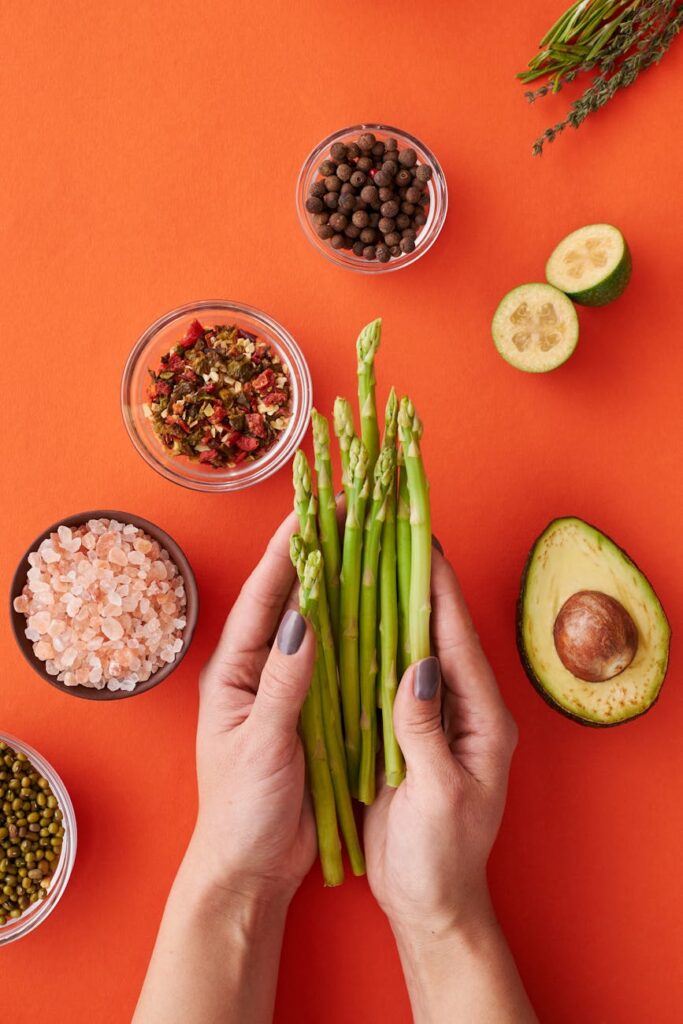
How to Grow Asparagus at Home
Introduction
Asparagus (Asparagus officinalis) is a perennial vegetable renowned for its delicate flavor and distinct texture. Growing asparagus at home can be a rewarding endeavor, offering both culinary delight and an opportunity to cultivate a unique garden. While the process requires patience and commitment, the rewards of fresh, home-grown asparagus are well worth the effort. This article delves into the intricacies of growing asparagus, covering everything from its historical roots to practical cultivation tips.
What Is Growing?
Growing, in the context of horticulture, refers to the process of nurturing plants from seeds, bulbs, or seedlings to maturity. It encompasses various stages, including planting, watering, fertilizing, pest management, and harvesting. Asparagus is a unique crop that demands specific conditions and a keen understanding of its growth cycle. Unlike many vegetables, it is a long-term investment, often taking three years to produce a significant harvest. Understanding the nuances of growing asparagus is essential for both novice and experienced gardeners.
History and Origins
Asparagus has a rich history that dates back over 2,000 years, with origins traced to the eastern Mediterranean and parts of Asia. Ancient Egyptians, Greeks, and Romans revered asparagus for its flavor and purported health benefits. The Romans cultivated it extensively, appreciating its delicate taste and medicinal properties.
Historically, asparagus was not only a culinary delight but also a symbol of luxury. The vegetable was often served at lavish banquets and was even used in royal offerings. Asparagus cultivation spread across Europe during the Middle Ages and eventually made its way to North America in the 18th century. Today, it is a staple in gardens worldwide, celebrated for its versatility and seasonal appeal.
Production and Processing
Growing asparagus requires careful attention to soil conditions, climate, and cultivation techniques. It thrives in regions with well-drained soil, plenty of sunlight, and moderate temperatures. The production of asparagus can be divided into several stages:
Site Selection
Choosing the right site is crucial for successful asparagus growth. Look for a location that receives full sun for at least 8 hours a day. The soil should be rich in organic matter and well-drained to prevent waterlogging, which can lead to root rot.
Soil Preparation
Preparing the soil involves enriching it with organic compost or well-rotted manure to improve fertility. Asparagus prefers a pH level between 7.0 and 8.0. Conducting a soil test can help determine necessary amendments.
Planting
Asparagus can be grown from seeds or crowns. Crowns are preferred for home gardeners, as they establish more quickly. The best time to plant asparagus is in early spring, after the last frost. Dig trenches about 12 inches wide and 6-8 inches deep, placing crowns 12-18 inches apart. Cover the crowns with soil, but leave the tips exposed.
Watering
Asparagus requires consistent moisture, especially during the initial growth stages. Regular watering is essential, particularly in the first two years, to establish strong root systems. Once established, asparagus is relatively drought-tolerant, but regular watering during dry spells can enhance yields.
Fertilizing
Fertilizing asparagus is vital for healthy growth. A balanced fertilizer can be applied in early spring as new shoots emerge. Organic options, such as compost or fish emulsion, can also provide necessary nutrients throughout the growing season.
Pest and Disease Management
Asparagus is susceptible to various pests and diseases, including asparagus beetles and rust. Regular monitoring and organic pest control methods, such as introducing beneficial insects or using insecticidal soap, can mitigate these issues. Proper spacing and airflow can help prevent fungal diseases.
Harvesting
Asparagus is typically ready for harvest in its third year after planting. The spears should be harvested when they are 6-8 inches tall, using a sharp knife to cut them just above the soil line. It’s essential to avoid over-harvesting; after about 6-8 weeks, allow the plants to grow and develop ferns to strengthen the root system for future seasons.
Quality and Grading
High-quality asparagus is characterized by its firmness, vibrant green color, and tight tips. When evaluating asparagus, look for spears that are uniform in thickness, as thinner spears tend to be more tender. Quality grading often includes assessments of freshness, size, and appearance. In commercial markets, asparagus is typically classified into categories such as “Extra Fancy,” “Fancy,” and “No. 1,” based on size and quality.
Buying Considerations
When purchasing asparagus crowns or seeds, consider the following factors:
1. Variety: Different varieties of asparagus exist, each with unique flavors and growing requirements. Popular choices include ‘Jersey Knight,’ ‘Mary Washington,’ and ‘Purple Passion.’
2. Source: Always buy from reputable nurseries or garden centers to ensure healthy plants. Check for disease resistance and adaptability to your climate.
3. Seasonality: Asparagus is typically available in spring. Purchasing during this season increases the chances of finding fresh, high-quality products.
4. Organic Options: If preferred, look for organically grown asparagus crowns to avoid synthetic pesticides and fertilizers.
Uses and Applications
Asparagus is celebrated for its culinary versatility. Commonly enjoyed steamed, grilled, or roasted, it can serve as a side dish or a main ingredient in salads, pastas, and risottos. The tender spears are also suitable for pickling and can be incorporated into a variety of sauces. Beyond its culinary applications, asparagus has gained popularity in gardening circles as an ornamental plant, appreciated for its feathery foliage and unique growth habit.
Storage and Shelf Life
To maintain freshness, asparagus should be stored properly. The ideal method involves placing the spears upright in a container with a small amount of water, similar to how you would store fresh flowers. Cover the tops with a plastic bag to retain moisture. Stored this way in the refrigerator, asparagus can remain fresh for up to a week.
If you have an abundance of asparagus, it can be blanched and frozen for later use. Blanching involves briefly boiling the spears and then plunging them into ice water to halt the cooking process. Properly frozen asparagus can last for several months, retaining much of its flavor and nutritional value.
Common Misconceptions
Despite its popularity, several misconceptions surround asparagus:
1. Asparagus is Difficult to Grow: While it requires patience and specific conditions, asparagus is not inherently difficult to grow. With proper planning and care, home gardeners can be successful.
2. All Asparagus is the Same: Many people are unaware of the different varieties of asparagus, each with its unique flavor profile and growing requirements. Purple, white, and green asparagus all offer distinct tastes and culinary uses.
3. Asparagus Only Grows in Certain Climates: Asparagus is adaptable and can be grown in various climates, provided the right care and conditions are met.
Frequently Asked Questions
1. How long does it take for asparagus to produce?
Asparagus typically takes about 2-3 years after planting crowns to produce a significant harvest. In the first two years, it is best to allow the plants to grow and establish a strong root system.
2. Can I grow asparagus from seeds?
Yes, asparagus can be grown from seeds, but it requires more time and care compared to planting crowns. Seeds can take up to 3 years to produce asparagus spears.
3. What is the best time to plant asparagus?
The best time to plant asparagus is in early spring, after the last frost. This timing allows the crowns to establish before the growing season begins.
4. How often should I water asparagus?
Asparagus requires consistent moisture, especially during its first two years. After establishment, it is relatively drought-tolerant but benefits from regular watering during dry periods.
5. How can I tell when asparagus is ready to harvest?
Asparagus is ready to harvest when the spears reach about 6-8 inches in height. It is essential to harvest before the tips begin to open and fern out.
6. Can I grow asparagus in containers?
Yes, asparagus can be grown in large containers, provided they have adequate depth for the roots to establish. Ensure the container has good drainage and is placed in a location that receives full sunlight.
Conclusion
Growing asparagus at home is a fulfilling gardening project that offers both aesthetic appeal and culinary rewards. With proper care and attention, this perennial vegetable can thrive for years, providing delicious spears for your table. Understanding its history, cultivation techniques, and storage methods will enhance your experience and appreciation for this remarkable ingredient. Whether you are a seasoned gardener or a novice, the journey of growing asparagus is one that will yield not only a harvest but also a deeper connection to the art of gardening.