
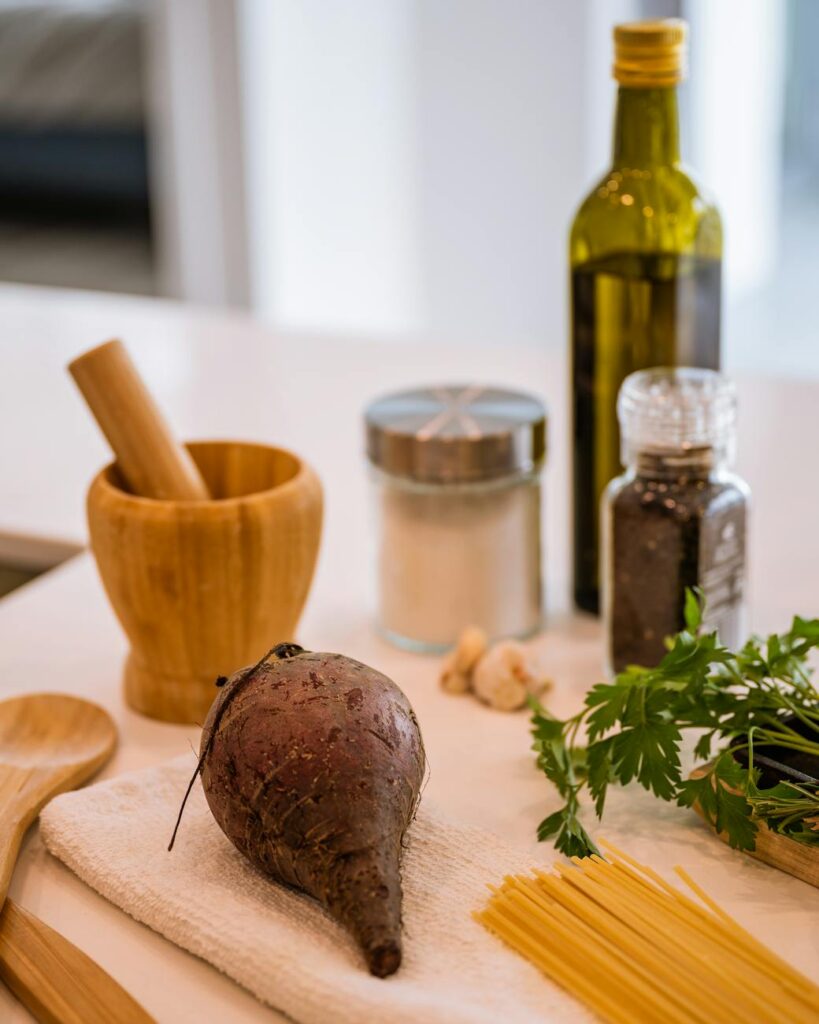
How to Grow Beetroot at Home
Introduction
Beetroot, known for its vibrant color and earthy flavor, has gained recognition not only for its culinary versatility but also for its nutritional benefits. As an ingredient, it can be transformed into a myriad of dishes, from salads to juices. Growing beetroot at home is a rewarding endeavor, allowing gardeners to enjoy fresh produce while developing a deeper understanding of this remarkable vegetable. This article serves as a comprehensive guide to cultivating beetroot, covering its history, growing conditions, and practical advice for home gardeners.
What Is Growing?
Growing, in the context of beetroot cultivation, refers to the entire process of planting, nurturing, and harvesting this root vegetable. It involves understanding the specific environmental conditions and care requirements that beetroot needs to thrive. This process encompasses soil preparation, seed selection, watering, pest management, and timing the harvest to ensure optimal quality and flavor.
History and Origins
The beetroot (Beta vulgaris) is a member of the Amaranthaceae family and has a rich history that dates back to ancient civilizations. Originally cultivated in the Mediterranean region, the plant was initially valued for its leafy greens rather than its bulbous roots. Historical texts suggest that the ancient Romans and Greeks consumed both the leaves and roots, recognizing their nutritional value.
By the Middle Ages, beetroot was widely cultivated across Europe. It gained popularity as a food source and was eventually introduced to the Americas in the 17th century. The development of sugar extraction from beetroot in the 19th century further propelled its prominence, making it a staple crop in many regions. Today, beetroot is enjoyed worldwide and is often associated with health-conscious diets due to its rich nutrient profile.
Production and Processing
Growing beetroot at home requires careful consideration of factors such as soil quality, climate, and space.
Soil Preparation
Beetroot thrives in well-drained, loamy soil rich in organic matter. To prepare the soil, it is essential to:
1. Test Soil pH: Beetroot prefers a pH of 6.0 to 7.0. Testing kits are available at garden centers or online.
2. Amend the Soil: If the pH is too low, add lime; if too high, incorporate sulfur. Adding organic matter, such as compost or well-rotted manure, enhances soil fertility and drainage.
3. Tilling: Loosen the soil to a depth of about 12 inches to promote root expansion.
Seed Selection
When choosing beetroot seeds, consider the following factors:
- Variety: Common varieties include ‘Detroit Dark Red,’ ‘Chioggia,’ and ‘Golden Beet.’ Each offers unique flavors and colors.
- Germination: Purchase seeds from reputable suppliers to ensure high germination rates.
- Watering: Ensure soil remains evenly moist but not waterlogged. A deep watering once or twice a week is usually sufficient.
- Mulching: Apply organic mulch to retain soil moisture and suppress weeds.
- Fertilizing: A balanced fertilizer, applied in moderation, can promote healthy growth, particularly if the soil is lacking in nutrients.
- Crop Rotation: Avoid planting beetroot in the same spot year after year.
- Companion Planting: Consider planting garlic or onions nearby to deter pests.
- Regular Monitoring: Check plants regularly for signs of distress.
- Size: Uniformity in size is essential for marketability.
- Color: Deep, consistent color indicates maturity and flavor.
- Absence of Damage: Look for signs of bruising or disease, which can affect storage and taste.
- Freshness: Opt for beetroots with fresh greens attached, as this indicates they are recently harvested.
- Size: Choose medium-sized beetroots for the best flavor and texture.
- Organic Options: Consider buying organic beetroot to avoid pesticide residues, especially if you are consuming the skin.
- Refrigeration: Store beetroot in the vegetable crisper drawer of your refrigerator. They can last up to two weeks if properly stored.
- Removing Greens: Trim the greens before storage, as they can draw moisture from the roots.
- Long-term Storage: For longer storage, consider pickling or freezing beetroot.
- Soil Quality: Some believe beetroot can grow in any soil type; however, well-drained, fertile soil is crucial for optimal growth.
- Color Variations: Many think beetroot is only red, but it comes in various colors, including yellow and white, each offering unique flavors.
- Leaf Edibility: There is a common belief that beet greens are inedible. In fact, they are highly nutritious and can be used in various dishes.
- Beetroot is best planted in early spring or late summer when temperatures are cooler.
- Beetroot prefers full sun, requiring at least 6 hours of sunlight per day for optimal growth.
- Yes, beetroot can be successfully grown in containers, provided they are at least 12 inches deep.
- Beetroot is ready when the bulbs are about 2-3 inches in diameter, typically around 8-10 weeks after planting.
- Good companions for beetroot include onions, garlic, and cabbage, which can help deter pests.
- It is possible to grow beetroot from the tops of store-bought beetroots, but success rates may vary, and it is generally more reliable to use seeds.
Planting
Beetroot can be sown directly into the garden or started indoors. Here’s how to plant:
1. Timing: Sow seeds in early spring or late summer, depending on your climate. Beetroot prefers cooler weather.
2. Spacing: Plant seeds about 1 inch apart, with rows spaced 12 to 18 inches apart. Thinning seedlings to 3-4 inches apart ensures ample room for growth.
Watering and Care
Beetroot requires consistent moisture for optimal growth. Here are some guidelines:
Pest and Disease Management
Common pests include aphids and leaf miners, while diseases such as downy mildew can affect beetroot. To mitigate these issues:
Harvesting
Beetroot can be harvested once the bulbs reach about 2-3 inches in diameter, usually 8-10 weeks after sowing. Gently loosen the soil around the roots with a fork, taking care not to damage them. Pull the beetroots from the ground and trim the greens, leaving about an inch of stem to prevent bleeding.
Quality and Grading
Quality beetroot is characterized by a firm texture, vibrant color, and a fresh aroma. When grading beetroot, consider the following factors:
Buying Considerations
When purchasing beetroot, whether from a market or a store, keep the following in mind:
Uses and Applications
The culinary uses of beetroot are diverse, ranging from raw salads to roasted dishes and soups. Its vibrant color makes it a popular choice for garnishes and presentations. Additionally, beetroot is often juiced or pureed for drinks and sauces. Beyond culinary uses, beetroot pigments are employed in food coloring, cosmetics, and even textiles.
Storage and Shelf Life
Proper storage is crucial to maintaining the freshness of beetroot:
Common Misconceptions
Several misconceptions surround beetroot cultivation and consumption:
Frequently Asked Questions (FAQs)
1. When is the best time to plant beetroot?
2. How much sunlight do beetroot need?
3. Can beetroot be grown in containers?
4. How can I tell when beetroot is ready for harvest?
5. What are the best companion plants for beetroot?
6. Can I grow beetroot from store-bought beetroots?
In conclusion, growing beetroot at home can be an enriching experience, allowing you to connect with the soil and enjoy fresh produce. By understanding the plant’s needs and following best practices, you can cultivate healthy, flavorful beetroots that enhance your culinary repertoire. Whether you’re a novice gardener or an experienced horticulturist, the journey of growing beetroot is both fulfilling and delicious.