
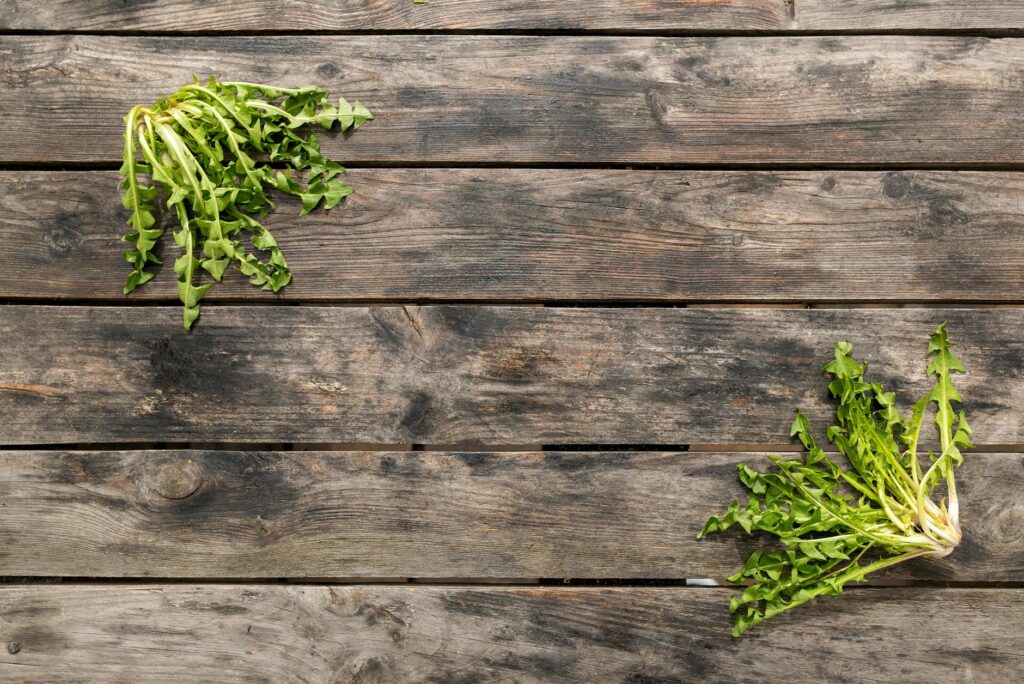
How to Grow Dandelion Greens at Home
Introduction
Dandelion greens, often overlooked in the world of culinary ingredients, are a powerhouse of nutrition and flavor. With their slightly bitter and peppery taste, they add depth to salads, soups, and various dishes. Growing dandelion greens at home not only provides a fresh supply of this nutrient-rich green but also connects you with a plant that has a rich history and myriad benefits. This guide will delve into everything you need to know about growing dandelion greens, from their origins to proper harvesting and storage.
What Is Growing?
Growing refers to the cultivation of plants, which involves various processes, including planting, nurturing, and harvesting. In the context of dandelion greens, growing encompasses selecting the right variety, preparing the soil, sowing seeds or transplanting seedlings, and ensuring optimal conditions for growth. Dandelion greens are particularly appealing for home gardeners due to their resilience, adaptability, and minimal care requirements.
History and Origins
Dandelions belong to the Asteraceae family and have been cultivated for centuries, with origins tracing back to Europe and Asia. The name “dandelion” derives from the French term “dents de lion,” meaning “lion’s teeth,” which refers to the jagged leaves of the plant. Historically, dandelions were valued not only for their culinary uses but also for their medicinal properties. They were used as a diuretic, liver tonic, and digestive aid in various traditional practices. Today, dandelion greens are widely appreciated in various cuisines, particularly in Mediterranean, Asian, and American dishes.
Production and Processing
Growing Conditions
Dandelion greens thrive in a variety of conditions, making them an excellent choice for home gardeners. They prefer well-drained soil rich in organic matter and are tolerant of both sun and partial shade. Here are the essential factors for successful cultivation:
1. Soil Preparation: Before planting, ensure the soil is loose and well-aerated. Incorporating compost or well-rotted manure can enhance nutrient availability.
2. pH Levels: Dandelions prefer slightly acidic to neutral soil, with pH levels ranging from 6.0 to 7.0.
3. Sunlight: While dandelion greens can tolerate partial shade, they grow best in full sunlight, requiring at least six hours of direct sunlight daily.
4. Watering: Regular watering is crucial, especially during dry spells. However, avoid waterlogging, as it can lead to root rot.
Planting
Dandelion greens can be propagated through seeds or by transplanting established plants.
- Seeds: Plant seeds in early spring or late summer. Sow them about 1/4 inch deep and 1 inch apart. Once seedlings are established, thin them to maintain proper spacing of about 6-12 inches.
- Transplanting: If you have access to established dandelion plants, you can dig them up carefully and transplant them to your garden. Ensure the roots are intact and water them thoroughly after transplanting.
- Weeding: Regularly remove weeds to reduce competition for nutrients and moisture.
- Fertilizing: While dandelions are low-maintenance, a balanced organic fertilizer applied every few weeks can promote growth.
- Pest Control: Monitor for pests such as aphids and caterpillars. Natural remedies or insecticidal soap can be effective in managing infestations.
- Color: Look for deep green leaves with minimal yellowing, as this indicates nutritional richness.
- Texture: Fresh dandelion greens should be firm and crisp. Wilted or limp leaves may suggest poor quality.
- Size: Young, tender leaves are generally more desirable than older, tougher ones. Harvesting smaller leaves can yield a milder flavor.
- Season: Dandelion greens are typically in season during spring and early summer. Buying during this time ensures freshness.
- Source: Opt for organic greens when possible, as they are less likely to be treated with pesticides.
- Local Markets: Farmers’ markets often provide the freshest dandelion greens, and you can inquire about their growing practices.
- Refrigeration: Store unwashed dandelion greens in a perforated plastic bag in the refrigerator. They can last for about 5 to 7 days.
- Freezing: For longer storage, blanch the greens in boiling water for a minute, then cool them in ice water. Once cooled, drain, pack in airtight containers, and freeze. Frozen dandelion greens can last for up to a year.
Maintenance
Maintaining your dandelion greens is relatively straightforward:
Quality and Grading
Quality dandelion greens are characterized by vibrant green leaves, a crisp texture, and a fresh aroma. As you harvest, consider the following grading factors:
Buying Considerations
If you prefer to purchase dandelion greens rather than grow them, consider the following tips:
Uses and Applications
Dandelion greens are versatile in the kitchen. They are commonly used in salads, sautéed as a side dish, or incorporated into soups and stews. Their unique flavor pairs well with robust ingredients like garlic, lemon, and olive oil. Moreover, dandelion greens can be used as a nutritious addition to smoothies or blended into pestos, adding a touch of bitterness that enhances the overall dish.
Storage and Shelf Life
To maximize the freshness of your dandelion greens, proper storage is essential:
Common Misconceptions
Despite their popularity, several misconceptions surround dandelion greens:
1. Weeds vs. Edible Greens: Many consider dandelions mere weeds. However, they are a valuable food source rich in vitamins and minerals.
2. Bitter Taste: While dandelion greens do have a bitter flavor, it can be balanced with other