
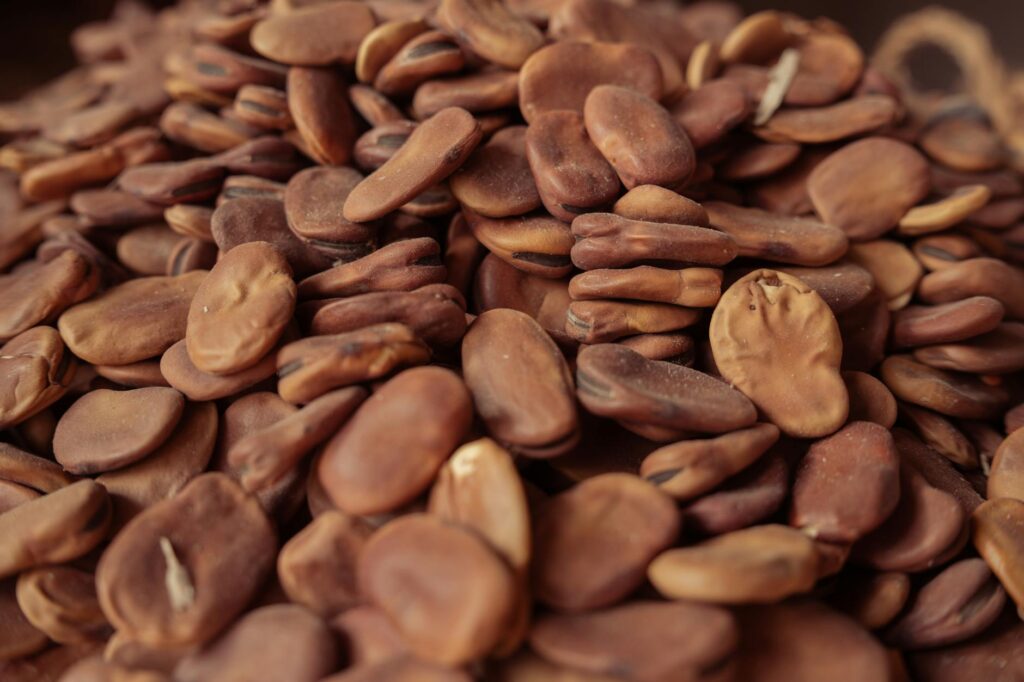
How to Grow Fava Beans at Home
Introduction
Fava beans, also known as broad beans (Vicia faba), are a versatile legume that has been cultivated for thousands of years. Their rich, creamy texture and earthy flavor make them a favorite in various culinary traditions. Beyond their culinary appeal, they are also a sustainable crop that improves soil health, making them an excellent choice for home gardeners. This comprehensive guide aims to provide you with everything you need to know about growing fava beans at home, from their history and origins to cultivation techniques and storage methods.
What Is Growing?
Growing, in the context of agriculture, refers to the process of cultivating plants for food, fiber, or other beneficial purposes. It encompasses various activities, including soil preparation, planting, watering, weeding, and harvesting. Fava beans are particularly well-suited for home gardens due to their hardiness and ability to thrive in a variety of conditions. They can be sown directly in the ground or started indoors, making them accessible for both novice and experienced gardeners.
History and Origins
Fava beans have a rich history that dates back to ancient civilizations. They are believed to have originated in the Mediterranean region, with evidence of their cultivation found in archaeological sites dating as far back as 6000 BCE. Ancient Egyptians revered them, associating them with fertility and the afterlife. The beans were also a staple food for the Greeks and Romans, who appreciated their nutritional value and versatility.
Over the centuries, fava beans have spread across the globe, adapting to various climates and culinary uses. Today, they are grown in Europe, the Middle East, Asia, and parts of North America. Their ability to fix nitrogen in the soil has made them a fundamental crop in sustainable agriculture practices, contributing to better soil health and reduced reliance on chemical fertilizers.
Production and Processing
Cultivation
Fava beans are typically grown as a cool-season crop, thriving in climates with mild winters and moderate summers. They prefer well-drained, fertile soil with a pH between 6.0 and 7.5. Here are the steps to successfully cultivate fava beans:
1. Soil Preparation: Begin by tilling the soil to a depth of at least 12 inches. Incorporate compost or well-rotted manure to enhance nutrient content. Removing rocks and debris will also improve drainage.
2. Sowing: Fava beans can be sown directly into the garden as early as 4-6 weeks before the last frost date. Plant seeds 1-2 inches deep and spaced 6-8 inches apart in rows that are 2-3 feet apart.
3. Watering: Water the seeds thoroughly after planting. Fava beans require consistent moisture, especially during germination. However, avoid waterlogging, as this can lead to root rot.
4. Weeding: Regular weeding is essential to prevent competition for nutrients and water. Hand-pulling or shallow hoeing is recommended to avoid disturbing the root system.
5. Fertilizing: Fava beans are relatively low-maintenance, but a light application of a balanced fertilizer can boost growth if the soil is depleted. A nitrogen-fixing plant, they typically require less nitrogen than other crops.
Harvesting
Fava beans are ready for harvest when the pods are plump and green, usually about 70-90 days after planting. For optimal flavor, it is recommended to harvest them before they fully mature. The pods can be picked when they are still tender, and the beans inside are small and bright green.
Quality and Grading
When growing fava beans, quality is paramount. Beans should be uniform in size, free from blemishes, and exhibit a vibrant green color. Grading is typically based on size, shape, and the absence of defects. High-quality fava beans will have a smooth texture and a fresh aroma. For home gardeners, ensuring good quality often involves adhering to best practices in cultivation, including proper watering, fertilization, and pest management.
Buying Considerations
If you are considering purchasing fava bean seeds, here are some factors to keep in mind:
1. Seed Variety: There are several varieties of fava beans, including ‘Aquadulce,’ ‘Broad Windsor,’ and ‘Windsor.’ Research the characteristics of each to choose the best one for your climate and taste preferences.
2. Source: Opt for reputable seed suppliers or local nurseries to ensure high-quality seeds. Organic seeds may be preferable if you are committed to organic gardening practices.
3. Freshness: Check the packaging date on seed packets to ensure you are purchasing fresh seeds. Older seeds may have reduced germination rates.
4. Local Adaptation: Consider selecting varieties that are well-suited to your local climate and growing conditions. This can enhance your chances of a successful harvest.
Uses and Applications
Fava beans are incredibly versatile in the kitchen. They can be used in a variety of dishes, from salads and soups to purees and stews. Beyond culinary uses, they are also beneficial for crop rotation and soil improvement, making them an excellent addition to any sustainable gardening plan.
In addition to their culinary applications, fava beans can be used as animal feed and in the production of biofuels. Their nitrogen-fixing ability also makes them a valuable cover crop, promoting soil health for subsequent plantings.
Storage and Shelf Life
Once harvested, fava beans can be stored in several ways:
1. Fresh Beans: If you plan to use fava beans shortly after harvest, store them in the refrigerator in a breathable container. They can last for up to a week when kept cool.
2. Dried Beans: For long-term storage, allow the harvested beans to dry completely before shelling them. Store the dried beans in an