
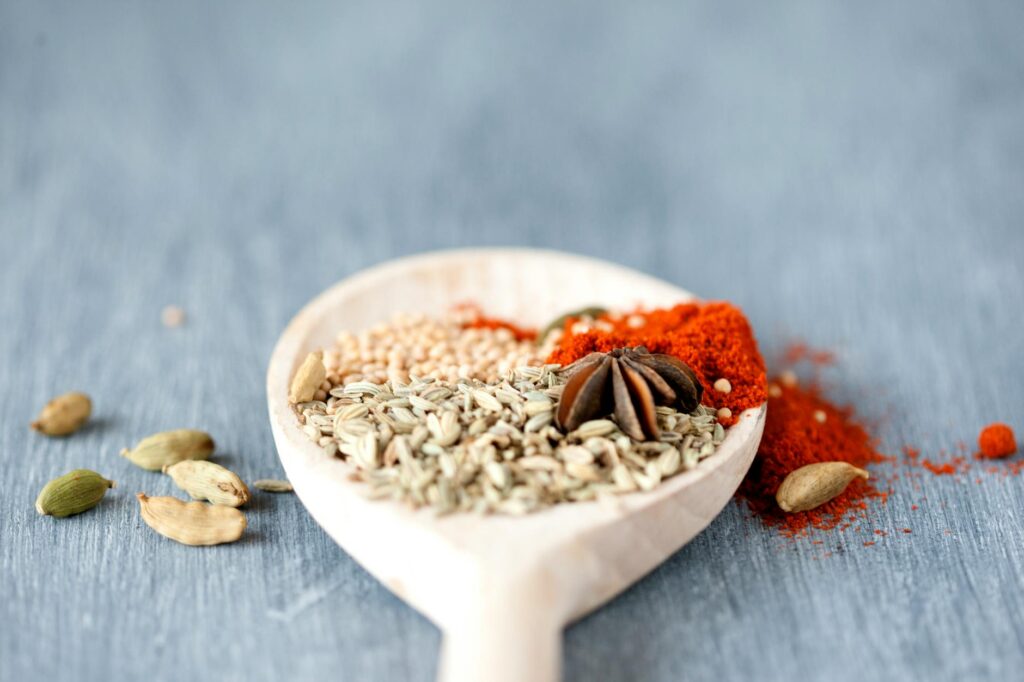
How to Grow Fennel Seeds at Home
Introduction
Fennel, a versatile and aromatic herb, is celebrated not only for its culinary uses but also for its distinctive flavor profile. Its seeds, known for their sweet and slightly licorice-like taste, are a staple in various cuisines around the globe. Growing fennel seeds at home can be a rewarding endeavor, allowing you to cultivate a fresh supply of this cherished ingredient. This article provides comprehensive guidance on how to grow fennel seeds, encompassing everything from history and origins to practical growing tips.
What Is Growing?
Growing refers to the process of cultivating plants for various purposes, including food production, ornamental value, or medicinal use. In the context of fennel, growing involves nurturing the plant from seed to maturity, ensuring optimal conditions for development. The cultivation of fennel not only contributes to sustainable living but also enhances the flavor of dishes prepared with freshly harvested seeds.
History and Origins
Fennel (Foeniculum vulgare) has a rich history that dates back to ancient civilizations. Originally native to the Mediterranean region, fennel was highly prized by the Romans and Greeks, who recognized its culinary and medicinal properties. Historical texts indicate that fennel was used as a flavoring agent as early as the 1st century AD.
As trade routes expanded, fennel spread to various parts of Europe and Asia, where it adapted to different climates and soil conditions. Today, it is cultivated worldwide, with notable production in countries like India, China, and Italy. Its enduring popularity can be attributed to both its culinary versatility and its historical significance in traditional medicine.
Production and Processing
Growing fennel requires careful attention to its specific needs to ensure a bountiful harvest. Here’s a step-by-step guide to the production process:
1. Choosing the Right Variety
Fennel is primarily categorized into two main varieties: Florence fennel (bulb fennel) and common fennel (seed fennel). Florence fennel is grown for its bulbous base, while common fennel is cultivated for its aromatic seeds. For seed production, common fennel is the preferred choice.
2. Soil Preparation
Fennel thrives in well-drained, fertile soil with a pH between 6.0 and 7.0. Prior to planting, amend the soil with organic matter, such as compost, to enhance nutrient availability. Ensure that the soil is loose and aerated, as fennel has a taproot that benefits from deep soil.
3. Planting Seeds
Fennel seeds can be sown directly into the garden or started indoors. If sowing directly, wait until the last frost has passed. Sow seeds approximately ¼ inch deep, spacing them about 12 inches apart. For indoor planting, use seed trays filled with seed-starting mix, and transplant seedlings outdoors when they are about 4-6 inches tall.
4. Watering and Fertilization
Consistent moisture is crucial for fennel growth. Water regularly, ensuring that the soil remains moist but not waterlogged. Fennel benefits from a balanced fertilizer application every few weeks, particularly during the early growth stages.
5. Sunlight Requirements
Fennel prefers full sun, requiring at least 6-8 hours of direct sunlight daily. Choose a location that receives ample sunlight to encourage healthy growth and robust seed production.
6. Pest and Disease Management
Common pests that may affect fennel include aphids, caterpillars, and spider mites. Regularly inspect the plants and use organic pest control methods when necessary. Diseases such as powdery mildew can be minimized by ensuring proper air circulation and avoiding overhead watering.
7. Harvesting
Fennel seeds are typically ready for harvest when the seed heads turn brown and dry. This usually occurs about 90-120 days after planting. Cut the seed heads and place them in a paper bag to finish drying. Once fully dry, gently crush the seed heads to release the seeds.
Quality and Grading
The quality of fennel seeds is determined by several factors, including size, color, and aroma. High-quality fennel seeds should have a rich, earthy color and a strong, sweet aroma. When purchasing fennel seeds, look for those that are whole and free from any signs of damage or mold.
Grading systems for fennel seeds may vary by region, but generally, seeds are classified based on their purity and germination rates. For home growers, ensuring that seeds are fresh and from a reputable source is paramount.
Buying Considerations
When purchasing fennel seeds, consider the following factors:
1. Seed Source: Opt for seeds from trusted suppliers or local nurseries to ensure high quality and viability.
2. Organic vs. Conventional: If you practice organic gardening, choose organic fennel seeds to avoid exposure to synthetic pesticides and fertilizers.
3. Variety: Decide whether you want to grow bulb fennel or seed fennel based on your culinary needs.
4. Germination Rate: Check the seed packet for information on germination rates to ensure you are investing in viable seeds.
Uses and Applications
Fennel seeds are used extensively in various culinary applications, from spice blends to baked goods. Their unique flavor enhances dishes such as:
- Seasoning: Fennel seeds are a key ingredient in many spice mixes, including Italian sausage and Indian curries.
- Baking: These seeds can be added to breads and pastries for a subtle flavor enhancement.
- Infusions: Fennel seeds can be steeped in hot water to create herbal teas.
- Pickling: Their aromatic profile makes them a popular choice for pickling vegetables.
- Cool, Dry Place: Store fennel seeds in an airtight container in a cool, dry location away from direct sunlight.
- Refrigeration: For extended shelf life, consider refrigerating the seeds, especially in warmer climates.
- Shelf Life: When stored correctly, fennel seeds can last for up to 3 years, although their flavor may diminish over time.
- Fennel and Anise Are the Same: While fennel and anise share a similar flavor profile, they are distinct plants. Fennel has a sweeter taste, while anise has a more potent licorice flavor.
- Fennel Seeds Must Be Toasted: While toasting fennel seeds can enhance their flavor, they can also be used raw in various dishes without compromising taste.
- Fennel Is Difficult to Grow: With proper care and attention, fennel is relatively easy to cultivate even for novice gardeners.
In addition to culinary uses, fennel seeds are also employed in the production of essential oils, which find applications in cosmetics and perfumes.
Storage and Shelf Life
To maintain the freshness and potency of fennel seeds, proper storage is essential. Follow these guidelines:
Common Misconceptions
Despite its popularity, several misconceptions surround fennel seeds:
Frequently Asked Questions
1. When is the best time to plant fennel seeds?
Fennel seeds should be planted in spring after the last frost or in late summer for a fall harvest, depending on your climate.
2. How long does it take for fennel seeds to germinate?
Fennel seeds typically germinate within 7-14 days under suitable conditions.
3. Can fennel grow in containers?
Yes, fennel can thrive in containers as long as the pot is deep enough to accommodate its taproot and has drainage holes.
4. How often should I water fennel plants?
Water fennel regularly to keep the soil consistently moist but not waterlogged, typically 1-2 inches of water per week, depending on rainfall.
5. What pests should I watch out for when growing fennel?
Common pests include aphids, caterpillars, and spider mites. Regular inspection and organic pest control methods can help manage these issues.
6. Can I grow fennel indoors?
Fennel can be grown indoors if given adequate sunlight, ideally near a south-facing window or under grow lights.
Conclusion
Growing fennel seeds at home is a fulfilling process that connects you to the culinary heritage of this aromatic herb. By understanding its history, cultivation requirements, and applications, you can enjoy a sustainable source of fennel seeds that enhance your culinary adventures. With proper care and attention, you can cultivate a thriving fennel plant, enriching your kitchen with fresh, homegrown flavors.