
How to Grow Fiddlehead Ferns at Home
Introduction
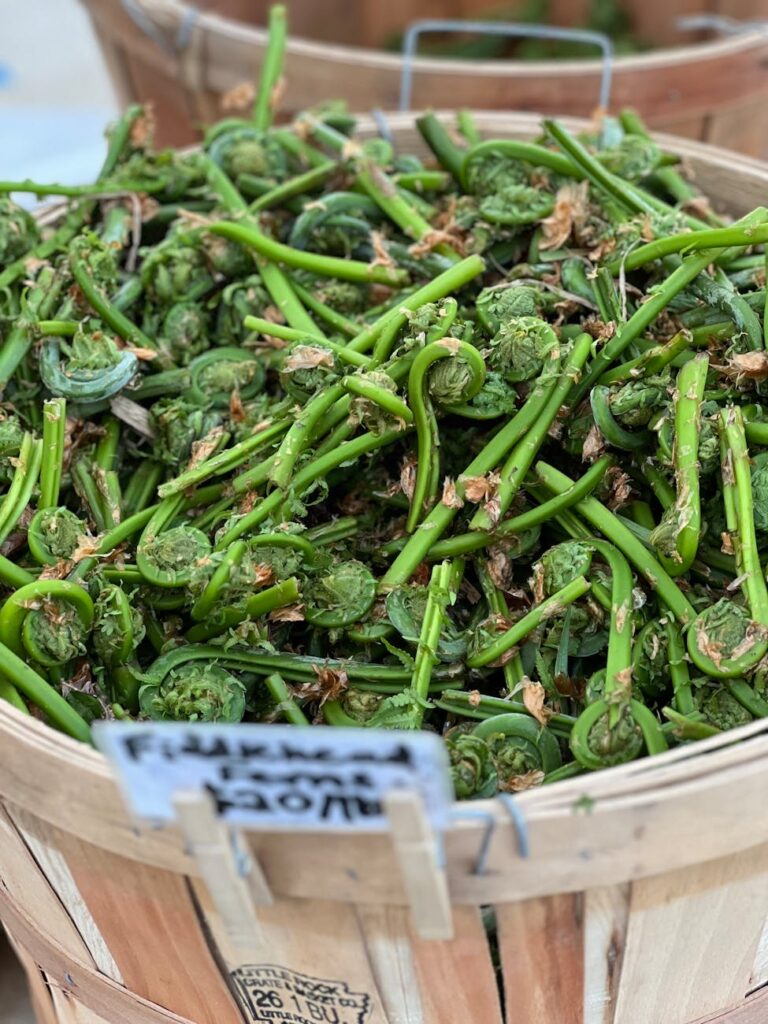
Fiddlehead ferns, the young, coiled fronds of certain fern species, have captivated culinary enthusiasts and home gardeners alike with their unique flavor and texture. As a seasonal delicacy, these edible ferns have gained popularity in various cuisines around the globe. This article will guide you through the intricacies of growing fiddlehead ferns at home, delving into their history, production, quality assessment, and much more.
What Is Growing?
Growing fiddlehead ferns refers to cultivating the young fronds of specific fern species, primarily the ostrich fern (Matteuccia struthiopteris), which is the most commonly harvested type. These ferns thrive in moist, shaded environments and can be grown in various settings, including gardens and containers. The growth process involves nurturing the ferns from spore or rhizome to harvestable fronds, requiring an understanding of their specific environmental needs.
History and Origins
Fiddlehead ferns have a rich history, with indigenous cultures across North America and Asia using them as a food source for centuries. In the Northeast United States and Canada, they have been foraged in the wild during the spring. The name “fiddlehead” is thought to derive from the resemblance of the curled fronds to the head of a violin. In Asian cuisine, particularly in Japan and Korea, fiddleheads are also prized for their unique flavor and texture, often incorporated into traditional dishes.
The commercial cultivation of fiddlehead ferns has increased over the past few decades, with demand rising in gourmet restaurants and among home cooks. As awareness of their culinary potential grows, so does the interest in cultivating them at home.
Production and Processing
Site Selection
To successfully grow fiddlehead ferns, choose a location with partial to full shade and consistently moist, well-drained soil. They thrive in woodland areas, so mimicking these conditions in your garden is ideal. If you are limited in space, consider using containers that can be placed in shaded areas.
Soil Preparation
Fiddlehead ferns prefer rich, loamy soil with a slightly acidic to neutral pH (around 6.0 to 7.0). To prepare the soil, amend it with organic matter such as compost or well-rotted manure. This will provide essential nutrients and improve moisture retention. Ensure the soil is well-draining to prevent root rot.
Propagation
Fiddlehead ferns can be propagated either from spores or rhizomes. However, growing from rhizomes is the more common and practical method for home gardeners:
1. Rhizome Planting: Purchase healthy rhizomes from a reputable source. Plant them about 2-3 inches deep, spacing them 18-24 inches apart to allow for growth.
2. Spore Planting: If you opt to grow from spores, keep in mind that this method is more complex and time-consuming. Collect spores from mature ferns in late summer, then sow them in a sterile medium. Maintain high humidity and indirect light until the spores germinate.
Watering
Fiddlehead ferns require consistently moist soil, particularly during their growing season, which typically spans from early spring to late spring. However, avoid overwatering, as soggy soil can lead to fungal diseases. Mulching can help retain moisture while suppressing weeds.
Fertilization
Feed fiddlehead ferns with a balanced, organic fertilizer in early spring as new growth emerges. Follow the manufacturer’s instructions to avoid over-fertilization, which can damage the plants.
Quality and Grading
When growing fiddlehead ferns, quality is paramount for a successful harvest. Look for:
- Color and Texture: Healthy fiddleheads are bright green, firm, and tightly curled.
- Size: The best size for harvesting is typically around 2-6 inches tall.
- Freshness: Harvest fiddleheads as soon as they start to unfurl, ensuring the best flavor and texture.
- Source: Purchase from reputable farmers or markets specializing in fresh produce.
- Seasonality: Fiddlehead ferns are typically available in spring, so their freshness and quality can vary based on the season.
- Appearance: As with homegrown ferns, look for bright green, tightly coiled fronds free of blemishes or wilting.
- Culinary Uses: They can be sautéed, steamed, or pickled, often served as a side dish or incorporated into salads, pasta, and risottos. Their unique flavor, reminiscent of asparagus and green beans, makes them an excellent addition to many dishes.
- Cultural Significance: In some cultures, fiddleheads are celebrated as a symbol of spring and renewal, often featured in traditional festivals and gatherings.
- Refrigeration: Store fresh fiddleheads in a paper bag in the refrigerator. They can last for about 5-7 days if kept cool and dry.
- Freezing: To extend their shelf life, blanch fiddleheads in boiling water for 2-3 minutes, then plunge them into ice water. Drain and freeze in airtight containers for up to a year.
- Toxicity: Some believe all fiddlehead ferns are toxic. While most edible varieties, like the ostrich fern, are safe when properly prepared, caution is advised. Always ensure you know the species you are consuming, as some ferns can be toxic.
- Harvesting: A common misconception is that fiddleheads should be harvested indiscriminately. In reality, sustainable harvesting practices are crucial to ensure that ferns can regenerate for future seasons.
After harvesting, the ferns can be graded based on size and appearance, which is essential for culinary applications.
Buying Considerations
If you choose to buy fiddlehead ferns rather than grow them, consider the following:
Uses and Applications
Fiddlehead ferns are versatile ingredients used in various culinary applications:
Storage and Shelf Life
Fiddlehead ferns are best consumed fresh; however, if you need to store them, follow these guidelines:
Common Misconceptions
Despite their culinary popularity, several misconceptions about fiddlehead ferns persist:
Frequently Asked Questions
1. Can I grow fiddlehead ferns indoors?
While it is possible to grow fiddlehead ferns indoors, they require specific conditions, including high humidity and indirect light. A well-lit, humid environment, like a sunroom or greenhouse, is ideal.
2. How long does it take for fiddlehead ferns to grow?
Fiddlehead ferns typically take around 3-4 years to mature from rhizomes before they can be harvested. However, once established, they can be harvested annually in the spring.
3. What is the best time to harvest fiddlehead ferns?
The optimal time to harvest fiddlehead ferns is when they are still tightly coiled and before they fully unfurl, usually in late April to early June, depending on your location.
4. Are there any pests or diseases to watch out for?
Fiddlehead ferns can be susceptible to pests such as aphids and slugs. Regular inspection and organic pest control methods can help manage these issues. Additionally, ensure proper spacing and air circulation to prevent fungal diseases.
5. Can fiddlehead ferns be grown in containers?
Yes, fiddlehead ferns can be successfully grown in containers. Ensure that the container is large enough to accommodate the root system and has sufficient drainage holes.
6. How do I know if I have the right type of fiddlehead fern?
The ostrich fern is the most commonly cultivated and consumed species. Look for characteristics such as a smooth, dark green stem and a distinctive coiled shape. Consulting a local horticulturist or using field guides can help in proper identification.
Conclusion
Growing fiddlehead ferns at home can be a rewarding endeavor, offering a unique culinary ingredient that connects you with nature’s seasonal bounty. With the right knowledge, care, and attention to detail, you can cultivate these delightful ferns in your garden or on your patio. As you embark on this journey, remember the importance of sustainable practices to ensure that future generations can also enjoy the exquisite taste of fiddlehead ferns.