
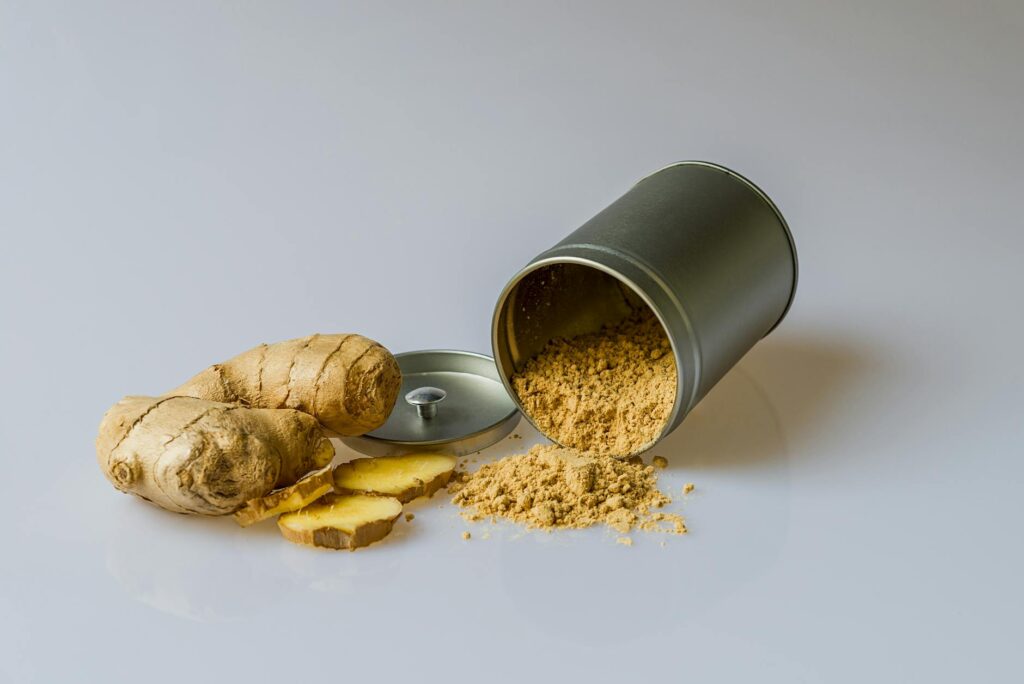
How to Grow Ginger at Home
Introduction
Ginger (Zingiber officinale) is a versatile and aromatic ingredient cherished worldwide for its distinct flavor and myriad culinary applications. While predominantly known as a spice, ginger is also celebrated for its fragrant rhizomes, which can be grown conveniently at home. This article provides a comprehensive guide on how to cultivate ginger, exploring its origins, production processes, quality assessments, and common misconceptions.
What Is Growing?
Growing, in the context of agriculture, refers to the cultivation of plants for food, fiber, or ornamental purposes. It encompasses a series of practices including soil preparation, planting, nurturing, harvesting, and post-harvest management. Ginger, as a perennial plant, thrives in warm, humid climates and can be cultivated in pots, garden beds, or greenhouses, making it an accessible option for both novice and experienced gardeners.
History and Origins
Ginger is believed to have originated in Southeast Asia, particularly in regions including India and China, where it has been cultivated for over 5,000 years. It was one of the first spices to be traded and has played a significant role in the spice trade, influencing culinary traditions across continents. Its introduction to Europe occurred during the Roman Empire, where it quickly gained popularity. Over centuries, ginger has been incorporated into various global cuisines and remains a staple in many households.
Production and Processing
Cultivation
Growing ginger begins with the selection of high-quality seed rhizomes. These rhizomes should be plump, firm, and free from blemishes. Ginger grows best in well-draining, loamy soil enriched with organic matter. Here are the essential steps to cultivate ginger:
1. Preparation: Start by soaking the seed rhizomes overnight in water. This encourages sprouting.
2. Planting: Plant rhizomes in early spring, once the threat of frost has passed. They should be buried about 2-4 inches deep, with the buds facing upwards.
3. Spacing: Space the rhizomes approximately 12 inches apart to allow for adequate growth and airflow.
4. Watering: Ginger requires consistent moisture but should not be waterlogged. Water the plants regularly, especially during dry spells.
5. Light: Ginger prefers partial shade, making it ideal for locations that receive filtered sunlight.
Harvesting
Ginger can typically be harvested about 8-10 months after planting, once the leaves start to yellow and die back. The rhizomes can be carefully dug up using a garden fork or spade. It is advisable to harvest only what is needed, as ginger continues to grow and can be harvested in stages.
Quality and Grading
Quality assessment of ginger is vital for both culinary and commercial purposes. Several factors contribute to the grading of ginger:
- Appearance: Fresh ginger should be firm and smooth with a light brown to golden color. Avoid rhizomes with soft spots or discoloration.
- Aroma: High-quality ginger emits a strong, spicy fragrance, indicative of its freshness.
- Size: Larger rhizomes tend to be more fibrous, while smaller ones are often juicier and more flavorful.
- Source: Opt for organic ginger when possible, as it is less likely to have been treated with pesticides.
- Form: Ginger is available in various forms including fresh, dried, powdered, and pickled. Choose the form that best suits your culinary needs.
- Seasonality: Fresh ginger is generally available year-round, but its peak season is during the spring and summer months.
- Culinary: Fresh ginger is commonly used in savory dishes, marinades, and sauces. It adds warmth and spice to soups, stir-fries, and baked goods.
- Beverages: Ginger is a popular ingredient in teas, smoothies, and cocktails, imparting a zesty flavor and invigorating aroma.
- Preservation: Pickled ginger is frequently served with sushi and enhances various dishes with its tangy profile.
- Infusions: Ginger can be infused into oils, vinegars, and syrups, offering flavor enhancements to dressings and marinades.
Grading typically ranges from A to C, with A-grade ginger being the top quality suitable for fresh consumption or premium culinary uses.
Buying Considerations
When purchasing ginger, consider the following aspects to ensure you select the best quality:
Always look for signs of freshness, such as firmness and a strong aroma, regardless of the form you choose.
Uses and Applications
Ginger is a multifaceted ingredient with diverse applications across culinary, beverage, and even cosmetic industries. Here are some of its most notable uses:
Storage and Shelf Life
Fresh Ginger
Fresh ginger should be stored in a cool, dry place, ideally in the refrigerator. It can last for several weeks if kept in a paper bag to prevent moisture accumulation. For longer storage, ginger can be frozen, retaining its flavor and potency.
Dried and Ground Ginger
Dried ginger, whether in slices or powdered form, should be stored in airtight containers in a cool, dark location. When properly stored, dried ginger can last for several months to a year.
Pickled Ginger
Pickled ginger should be kept in the refrigerator and can usually last for several months due to its acidic content.
Common Misconceptions
1. Ginger is Spicy: While ginger has a pungent flavor, it is not typically classified as “spicy” like chili peppers. Its heat is more aromatic and warming.
2. Ginger Can Be Grown Anywhere: Ginger thrives in warm, humid conditions. Cold climates can impede its growth, making it unsuitable for outdoor cultivation in those areas.
3. Only Fresh Ginger is Useful: Dried and powdered ginger also possess culinary merit and are widely used in various recipes.
4. Ginger Must be Planted in Soil: Ginger can be grown in pots or containers, making it accessible for urban gardeners with limited space.
Frequently Asked Questions (FAQs)
1. How long does it take for ginger to grow?
Ginger typically takes about 8-10 months to mature, but you can start harvesting smaller rhizomes earlier if desired.
2. Can I grow ginger indoors?
Yes, ginger can be grown indoors in pots, provided it receives adequate light and warmth.
3. Do I need to fertilize ginger plants?
Yes, ginger benefits from regular fertilization, particularly with organic fertilizers, to promote healthy growth.
4. Can I use store-bought ginger to grow my own?
Yes, as long as the ginger is fresh and has viable eyes (buds), it can be used as planting material.
5. What pests should I watch for when growing ginger?
Common pests include aphids and root-knot nematodes. Regular monitoring and organic pest control methods can help manage infestations.
6. Is ginger a perennial plant?
Yes, ginger is a perennial plant, which means it can grow back year after year if cared for properly.
In conclusion, growing ginger at home is a rewarding endeavor that allows you to enjoy this beloved spice fresh from your garden. With proper care, attention, and an understanding of its needs, you can cultivate ginger successfully, enriching your culinary experiences and enhancing your dishes with its unique flavors.