
How to Grow Kefir Lime at Home
Introduction
Kefir lime, also known as Citrus hystrix, is a unique citrus fruit widely celebrated for its aromatic leaves and tart fruit. Native to Southeast Asia, this plant is not only a culinary gem but also a remarkable addition to any home garden. Growing kefir lime at home can be a rewarding endeavor, allowing you to enjoy its distinctive flavor and fragrance in various culinary applications. This guide will take you through the process of growing kefir lime, from its origins to its uses and storage.
What Is Growing?
In horticulture, “growing” refers to the cultivation and development of plants from seeds or cuttings until they reach maturity. The process involves understanding the plant’s specific requirements, such as soil type, sunlight, water, and nutrients. Growing kefir lime requires careful attention to these factors, ensuring optimal conditions for healthy growth and fruit production.
History and Origins
Kefir lime is believed to have originated in the tropical regions of Southeast Asia, particularly in countries like Thailand, Malaysia, and Indonesia. Historically, it has been used not only for its culinary properties but also in traditional medicine and rituals. The fruit has been a staple in Southeast Asian cuisines, where its zest and leaves are integral to various dishes, imparting a distinct flavor that is both sour and fragrant.
The plant is now cultivated in many tropical and subtropical regions around the world, valued for both its culinary applications and ornamental appeal. Its adaptability makes it a favorite among home gardeners, particularly in warmer climates.
Production and Processing
Growing kefir lime requires a few essential steps:
Soil Preparation
Kefir lime prefers well-draining, loamy soil rich in organic matter. Before planting, ensure the soil is amended with compost or well-rotted manure to provide essential nutrients. The ideal pH range for kefir lime is slightly acidic to neutral, around 5.5 to 7.0. Conduct a soil test to assess pH and nutrient levels, adjusting as necessary.
Planting
Kefir lime can be grown from seeds or cuttings. If starting from seeds, soak them in water for 24 hours to enhance germination. Plant seeds about 1 inch deep in seed trays filled with a well-draining potting mix. Keep the soil moist but not waterlogged. Seedlings typically emerge within two to three weeks.
For cuttings, select healthy, semi-hardwood stems approximately 6 inches long. Dip the cut ends in rooting hormone and plant them in a pot filled with a suitable potting mix. Maintain humidity around the cutting using a plastic bag or a humidity dome until roots develop.
Sunlight and Watering
Kefir lime thrives in full sun, requiring at least 6-8 hours of direct sunlight daily. If growing indoors, place the plant near a south-facing window where it can receive ample light.
Watering should be done consistently, allowing the top inch of soil to dry out between waterings. Overwatering can lead to root rot, while underwatering can cause stress to the plant. During the growing season, fertilize every 4-6 weeks with a balanced fertilizer to promote healthy growth.
Pruning
Regular pruning is essential for maintaining the shape of the plant and encouraging bushy growth. Remove any dead or unhealthy leaves and stems, and pinch back new growth to promote branching. Pruning is best done during the early spring before new growth begins.
Quality and Grading
The quality of kefir lime, whether leaves or fruit, is determined by various factors, including freshness, aroma, and appearance. Fresh leaves should be vibrant green, free from blemishes or discoloration. The fruit should be firm, with a bright green coloration and a bumpy texture.
For home growers, focusing on the health of the plant will naturally lead to high-quality yields. Regular monitoring for pests and diseases, as well as maintaining optimal growing conditions, will contribute to superior quality.
Buying Considerations
When purchasing kefir lime plants or seeds, consider the following:
1. Source: Buy from reputable nurseries or online retailers specializing in tropical plants. Ensure that the plants are healthy and free from pests.
2. Variety: There are different cultivars of kefir lime, each with unique characteristics. Research the varieties available to find one suited to your specific growing conditions.
3. Size: Depending on your space, you may want to choose smaller plants or younger seedlings, which can be easier to manage and transport.
4. Season: Purchase plants during the spring or early summer when they are actively growing. This increases the chances of successful establishment.
Uses and Applications
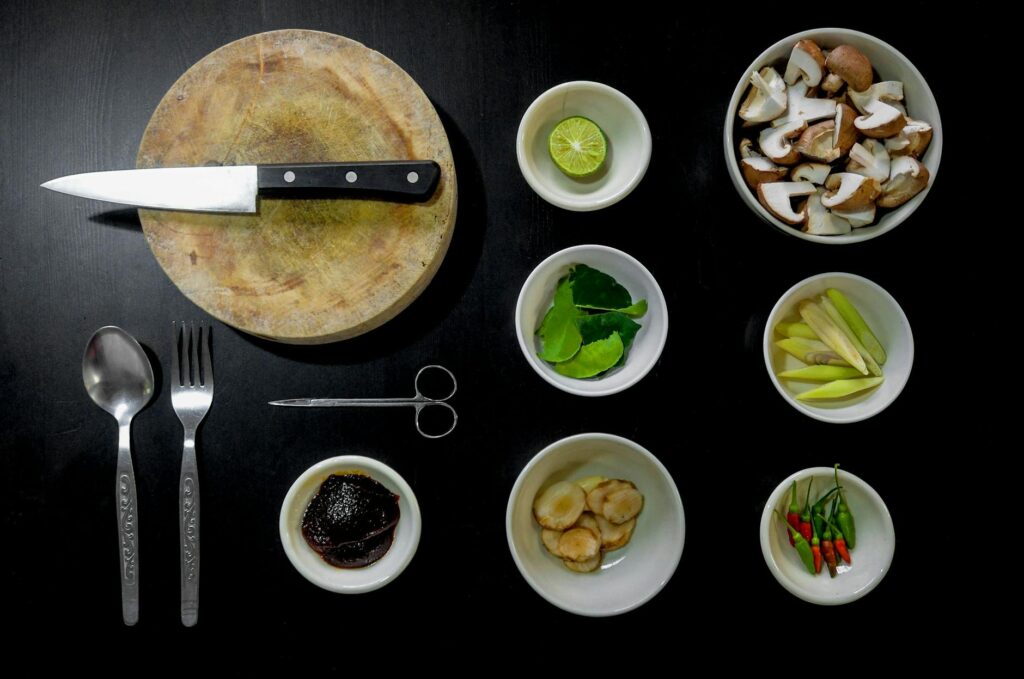
Kefir lime is a versatile ingredient used in various culinary applications. The leaves are often used to enhance flavors in soups, curries, and stir-fries, imparting a unique aroma reminiscent of lime and lemon. The fruit is also used in marinades, dressings, and desserts, offering a distinct tartness.
Beyond culinary uses, kefir lime has found its way into the realm of natural fragrances, where its aromatic properties are leveraged in essential oils and perfumes. The leaves can also be used to infuse oils and vinegars, adding depth to various dishes.
Storage and Shelf Life
Fresh kefir lime leaves can be stored in the refrigerator, where they will remain fresh for about a week. To extend their shelf life, consider freezing them. Place the leaves in a sealed bag, removing as much air as possible before freezing.
Kefir limes, when harvested, can be stored at room temperature for a few days; however, for longer storage, refrigerate them. Properly stored, they can last for up to two weeks. Alternatively, kefir lime can be zested and juiced, with the zest being frozen for later use.
Common Misconceptions
Despite its popularity, several misconceptions surround kefir lime:
1. Kefir lime is the same as regular lime: While they share similar names, kefir lime and regular lime are distinct. Kefir lime has a bumpy skin and a more intense aroma, while regular limes are smooth and have a different flavor profile.
2. You only use the fruit: Many people are unaware that both the leaves and the fruit of kefir lime are edible and have culinary applications.
3. It cannot be grown indoors: Although kefir lime prefers warm climates, it can be successfully cultivated indoors with adequate light and care.
Frequently Asked Questions
1. Can kefir lime be grown indoors?
Yes, kefir lime can be grown indoors as long as it receives sufficient sunlight, ideally from a south-facing window or under grow lights.
2. How often should I water my kefir lime plant?
Water your kefir lime plant when the top inch of soil feels dry. It’s essential to avoid both overwatering and underwatering.
3. What pests should I watch for when growing kefir lime?
Common pests include aphids, spider mites, and whiteflies. Regularly inspect your plants for any signs of infestation and treat them promptly.
4. How long does it take for kefir lime to produce fruit?
Typically, a kefir lime tree will take 2-3 years to bear fruit after planting, depending on growing conditions and care.
5. Can I propagate kefir lime from cuttings?
Yes, kefir lime can be propagated from cuttings. Use healthy semi-hardwood stems and ensure proper care to encourage rooting.
6. Is it necessary to prune my kefir lime plant?
Pruning is beneficial for maintaining shape and promoting bushy growth. Regularly removing dead or unhealthy foliage will also help the plant thrive.
Conclusion
Growing kefir lime at home is an enriching experience that offers both culinary and aesthetic rewards. With its unique flavor and fragrance, this tropical gem can enhance your dishes and provide a delightful gardening project. By understanding its specific requirements and care, you can cultivate a thriving kefir lime plant that will serve you well for years to come. Whether you’re a seasoned gardener or a beginner, the journey of growing kefir lime is sure to be a fruitful one.