
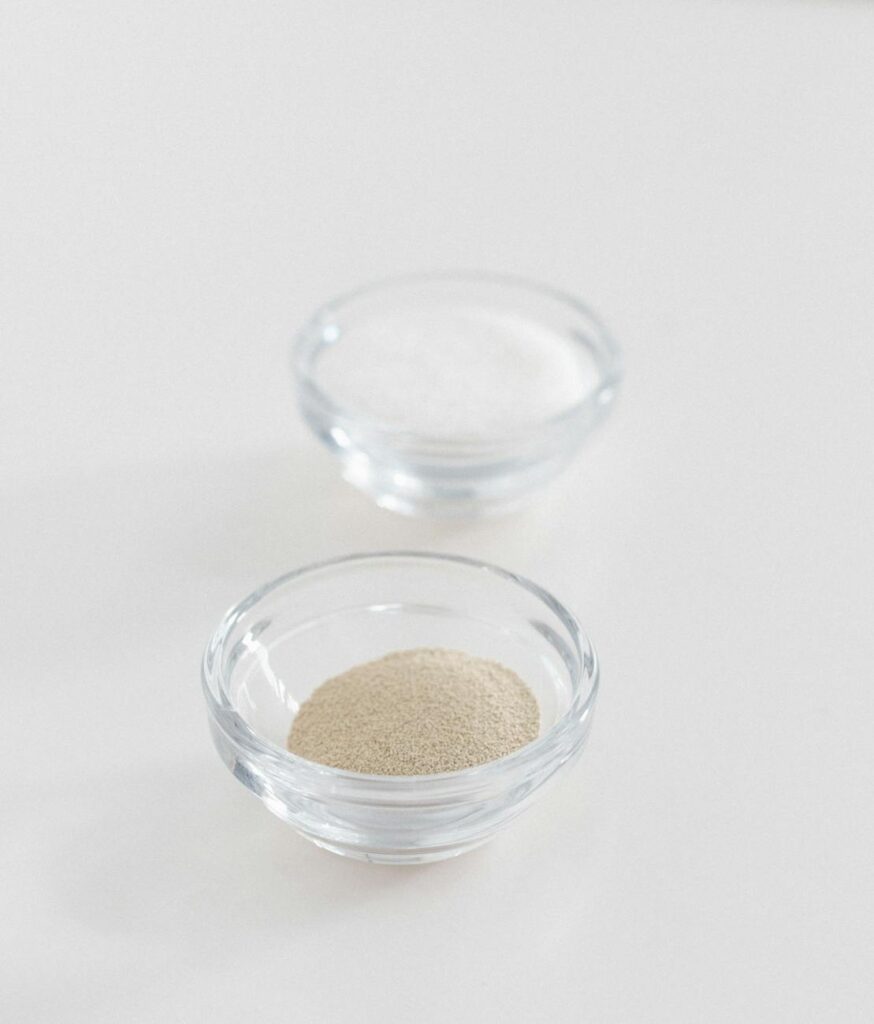
How to Grow Nutritional Yeast at Home
Introduction
Nutritional yeast is a versatile ingredient lauded for its unique flavor and nutritional benefits, particularly among those following plant-based diets. Known for its cheesy, nutty taste, this deactivated yeast is rich in protein, vitamins, and minerals. While often purchased in health food stores or online, many enthusiasts are turning to home cultivation as a means of ensuring freshness and control over the growing process. This article offers a comprehensive guide on how to grow nutritional yeast at home, exploring its history, production methods, quality grading, and more.
What Is Growing?
Growing, in the context of nutritional yeast, refers to the cultivation of yeast cells, specifically Saccharomyces cerevisiae. This species of yeast is commonly used in baking and brewing but is also the primary organism used for producing nutritional yeast. The growth process involves providing the yeast with an ideal environment to thrive, which includes moisture, temperature, and nutrients.
The practice of cultivating nutritional yeast at home allows individuals to harness its full potential, ensuring a fresher product while also engaging in a rewarding process that connects them to their food.
History and Origins
The origins of nutritional yeast can be traced back to the early 20th century when it began gaining popularity as a health food. Saccharomyces cerevisiae is a yeast strain that has been utilized in baking and brewing for centuries, but the deactivated form, which is rich in B vitamins and protein, emerged as a dietary supplement in the 1950s and 1960s.
The commercial production of nutritional yeast initially developed in the United States and Europe, where it was marketed to vegetarians and health-conscious consumers. Its association with veganism and vegetarianism has continued to grow, making it a staple in various cuisines around the world.
Production and Processing
Growing nutritional yeast at home involves a series of steps that mimic the commercial production process. Here’s a structured approach to get started:
1. Selecting the Right Yeast Strain
The first step is choosing the right strain of yeast. Saccharomyces cerevisiae is the most common strain used for nutritional yeast. You can obtain it through health food stores or online suppliers.
2. Creating the Growing Environment
A suitable growing environment is vital for the success of yeast cultivation. Key factors include:
- Temperature: Yeast thrives best at temperatures between 75°F and 85°F (24°C to 29°C).
- Moisture: A humid environment is necessary, but care should be taken to avoid excess water, which can lead to contamination.
- Nutrients: Nutritional yeast requires a nutrient-rich medium to grow. This can be achieved using molasses, sugar, or a specially formulated yeast nutrient.
- Purity: Ensure that no contaminants are present during the growing and harvesting process.
- Flavor: High-quality nutritional yeast should have a rich, cheesy flavor without any off-tastes.
- Nutritional Content: The levels of B vitamins and protein should meet the standards typically found in commercially produced nutritional yeast.
- Source: Look for brands that prioritize organic or non-GMO ingredients.
- Form: Nutritional yeast is available in flakes, powder, and granules. Choose the form that best fits your intended use.
- Nutritional Information: Check labels for B vitamin content and protein levels to ensure you are getting a high-quality product.
- Shelf Life: Choose products with longer shelf lives to ensure freshness.
- Seasoning: Its cheesy flavor makes it an excellent seasoning for popcorn, pasta, and salads.
- Thickening Agent: It can be used to thicken soups and sauces, adding both texture and flavor.
- Dairy Substitute: Nutritional yeast serves as a popular dairy substitute in vegan cheese recipes and sauces.
- Baking: It can be added to bread and baked goods for enhanced flavor and nutritional value.
- Active Yeast: Many people confuse nutritional yeast with active dry yeast used in baking. Nutritional yeast is inactive and cannot be used as a leavening agent.
- Only for Vegans: While it is a staple in vegan diets, nutritional yeast can benefit anyone looking to enhance the flavor and nutritional content of their meals.
- Allergies and Sensitivities: Some believe that nutritional yeast can trigger yeast allergies. In reality, it is generally safe for most individuals, but those with specific sensitivities should consult with a healthcare professional.
3. Inoculating the Medium
Once your nutrient medium is prepared, it’s time to inoculate it with the yeast. This involves mixing the yeast into the nutrient solution, ensuring that it is evenly distributed.
4. Fermentation
The inoculated medium should be placed in a warm, dark environment to allow fermentation. During fermentation, the yeast will consume the sugars and multiply. This process typically takes about 3 to 7 days, depending on the temperature and nutrient availability.
5. Harvesting the Yeast
Once the fermentation is complete, the yeast will have formed a thick layer on the surface of the medium. This layer can be harvested using a clean spoon or spatula. The harvested yeast should be rinsed thoroughly to remove any residual sugars and impurities.
6. Deactivation
To produce nutritional yeast, the harvested yeast must be deactivated. This can be done by heating it in an oven at around 140°F (60°C) for 15 to 30 minutes. This step is crucial, as it ensures that the yeast is no longer active, making it safe for consumption.
7. Drying and Grinding
After deactivation, the yeast can be air-dried or dehydrated. Once completely dry, it can be ground into a fine powder or left in flake form, depending on your preference.
Quality and Grading
When growing nutritional yeast, quality control is essential. Quality can be assessed based on several factors:
Quality grading systems are not universally standardized for homegrown nutritional yeast, but adhering to best practices in cleanliness and cultivation will yield a superior product.
Buying Considerations
If you decide not to grow your nutritional yeast at home, consider these factors when purchasing:
Uses and Applications
Nutritional yeast has a variety of culinary applications, making it a sought-after ingredient in many kitchens:
Storage and Shelf Life
Proper storage is crucial to maintaining the quality of nutritional yeast. It should be kept in a cool, dry place, away from direct sunlight. An airtight container is recommended to prevent moisture absorption, which can lead to spoilage.
Typically, nutritional yeast has a shelf life of about 1 to 2 years when stored correctly. Always check the packaging for specific expiration dates, as these can vary based on the producer.
Common Misconceptions
Despite its popularity, several misconceptions surround nutritional yeast:
Frequently Asked Questions
1. Can I grow nutritional yeast from store-bought packets?
While it is possible to use store-bought nutritional yeast to start your culture, there is no guarantee it will ferment successfully. It is best to use a specific strain of Saccharomyces cerevisiae for cultivation.
2. How long does it take to grow nutritional yeast at home?
The entire process of growing, harvesting, deactivating, and drying nutritional yeast can take approximately 1 to 2 weeks, depending on environmental conditions.
3. Is it difficult to grow nutritional yeast at home?
With proper research and preparation, growing nutritional yeast can be a straightforward process. However, it requires attention to cleanliness and environmental factors to ensure success.
4. What are the benefits of growing nutritional yeast at home?
Growing your nutritional yeast allows for greater control over the cultivation process, ensures freshness, and can be more economical than purchasing commercially produced yeast.
5. Can I use nutritional yeast as a substitute for other ingredients?
Nutritional yeast can be used as a substitute for cheese in many recipes, but it may not work as a direct replacement for active yeast in baking, as it is not alive.
6. How can I tell if my nutritional yeast has gone bad?
Signs of spoilage include an off odor, discoloration, or clumping. If you notice any of these signs, it is best to discard the product.
Conclusion
Growing nutritional yeast at home can be a fulfilling endeavor that not only enhances your culinary repertoire but also fosters a deeper connection to the food you consume. With a rich history, diverse applications, and a plethora of nutritional benefits, nutritional yeast is a remarkable ingredient that deserves a place in every kitchen. By following best practices in cultivation and storage, you can enjoy homemade nutritional yeast that is both fresh and flavorful, enriching your meals and your health.