
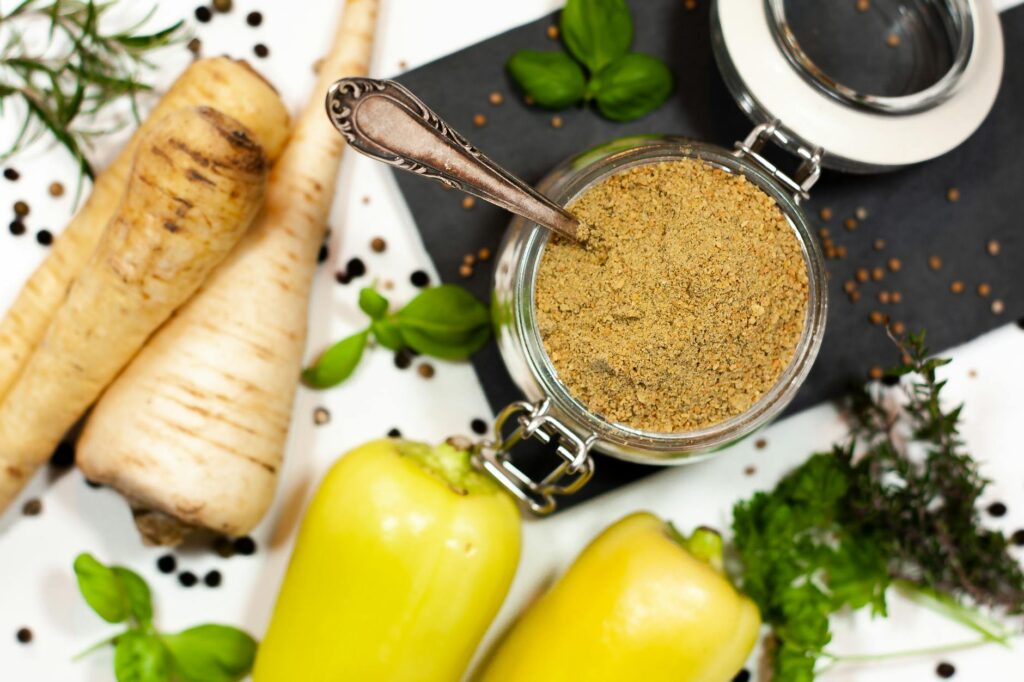
How to Grow Parsnip at Home
Introduction
Parsnips, a root vegetable related to carrots and parsley, have a distinct sweet flavor that intensifies after frost. With their creamy white flesh and unique taste, these versatile vegetables are a delightful addition to home gardens. Growing parsnips can be a rewarding endeavor, and this comprehensive guide will equip you with the knowledge necessary to cultivate them successfully.
What Is Growing?
Growing refers to the process of nurturing plants from seed to maturity, ensuring they receive the necessary conditions for optimal development. This involves selecting the right environment, soil, and care practices, all of which are crucial for producing healthy parsnip crops. Parsnips thrive in well-drained, fertile soil and require a cool growing season, making them typically suited for climates that experience a true winter.
History and Origins
Parsnips have a rich history dating back to ancient civilizations. Originally cultivated by the Romans and Greeks, they were a staple food before the introduction of the potato in Europe. Native to Europe and Asia, parsnips were once a primary carbohydrate source for many cultures. Over the centuries, they have been selectively bred for size and sweetness, leading to the varieties we enjoy today. Their resurgence in popularity has been attributed to the growing interest in heirloom vegetables and sustainable gardening practices.
Production and Processing
Choosing the Right Variety
Before planting, it is essential to choose the right variety of parsnip. Common types include:
- Hollow Crown: Known for its robust flavor and adaptability.
- Gladiator: A high-yielding variety often favored by commercial growers.
- Lancer: Renowned for its smooth texture and sweet taste.
- Size: Ideal parsnips are typically 1.5 to 3 inches in diameter.
- Shape: A uniform, tapered shape without forked roots is preferred.
- Color: Look for a creamy white color, indicating freshness and quality.
- Source: Buy from reputable nurseries or seed companies that specialize in heirloom or organic seeds.
- Seed Viability: Check the packaging date; seeds can lose viability over time.
- Local Varieties: Opt for varieties known to perform well in your local climate and soil conditions.
- Harvesting: Parsnips can be harvested after the first frost, which enhances their sweetness. Use a garden fork to gently lift them from the soil.
- Cleaning: Gently wash to remove soil, but avoid damaging the skin.
- Storage Conditions: Store parsnips in a cool, dark, and humid environment, ideally at temperatures between 32°F and 40°F (0°C to 4°C).
- Shelf Life: When stored correctly, parsnips can last several months. Check periodically for signs of spoilage.
- Frost Sensitivity: Some gardeners believe parsnips cannot withstand frost, but in fact, frost enhances their sweetness.
- Complicated Growing Process: Many consider parsnips difficult to grow; however, with proper soil preparation and care, they can thrive with minimal intervention.
- Limited Culinary Use: While often overshadowed by other root vegetables, parsnips are versatile and can be used in a range of dishes beyond just soups and stews.
Soil Preparation
Parsnips thrive in well-drained, deep soil with a pH between 6.0 and 7.0. Proper soil preparation is vital:
1. Soil Testing: Conduct a soil test to assess pH and nutrient levels.
2. Amendments: Based on test results, add organic matter such as compost or well-rotted manure to enhance nutrient content.
3. Tilling: Till the soil to a depth of at least 12 inches to ensure adequate drainage and root development.
Sowing Seeds
Parsnips are typically sown directly into the garden due to their long taproot. Here’s how to do it effectively:
1. Timing: Sow seeds in early spring or late summer, ensuring temperatures are consistently between 50°F and 70°F (10°C to 21°C).
2. Spacing: Plant seeds about 1 inch apart in rows spaced 12 to 18 inches apart.
3. Depth: Sow seeds approximately 1/2 inch deep, as they require light for germination.
4. Watering: Water thoroughly after sowing, keeping the soil consistently moist until germination occurs, which can take 2 to 3 weeks.
Quality and Grading
The quality of parsnips is determined by several factors, including size, shape, and absence of blemishes. When grading parsnips, consider the following:
When harvesting, avoid parsnips that are overly large, as they may become woody and less palatable.
Buying Considerations
When purchasing parsnip seeds or seedlings, consider the following:
Uses and Applications
Parsnips are highly versatile in culinary applications. They can be roasted, mashed, or used in soups and stews. Their natural sweetness complements savory dishes, and they can be pureed for a creamy texture. Beyond culinary uses, parsnips are also appreciated for their ornamental value in gardens, especially when left to flower.
Storage and Shelf Life
Proper storage is essential to maintain the quality of harvested parsnips:
Common Misconceptions
Several misconceptions surround the growing and use of parsnips:
Frequently Asked Questions
1. How long does it take to grow parsnips?
Parsnips typically take 100 to 120 days from sowing to harvest, depending on the variety and growing conditions.
2. Can parsnips be grown in containers?
While parsnips prefer deep soil, they can be grown in containers