
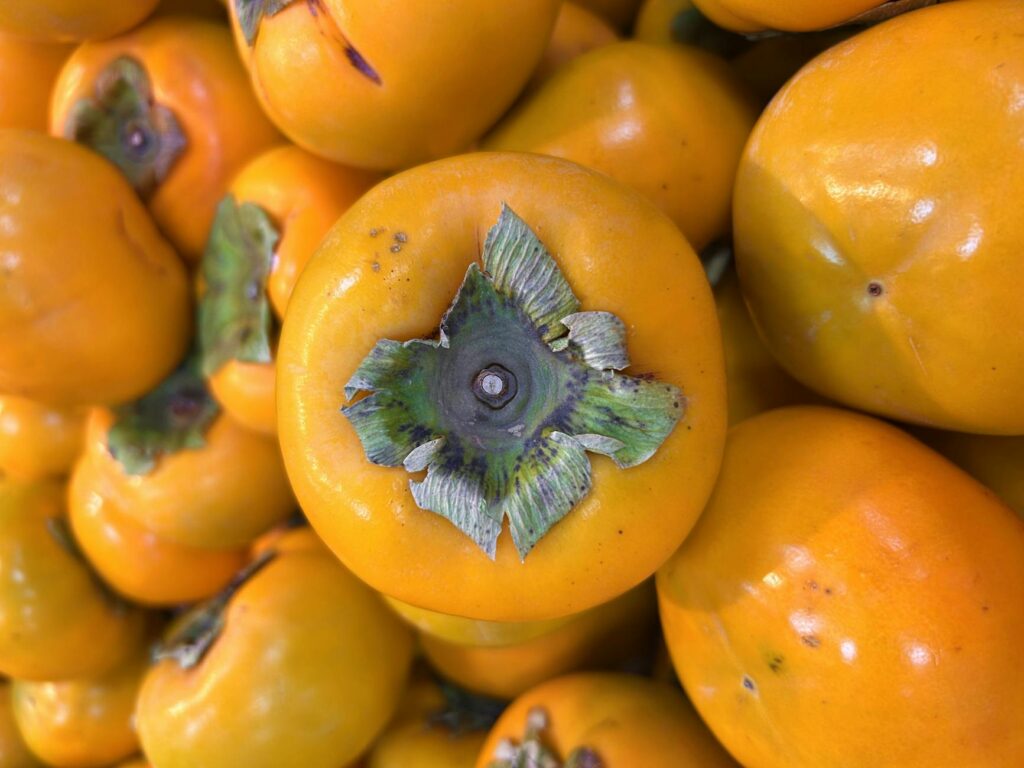
How to Grow Persimmons at Home
Introduction
Persimmons are a delightful fruit, celebrated for their sweet flavor and unique texture. This captivating fruit, with its vibrant orange hue, not only enhances culinary creations but also adds aesthetic value to home gardens. Growing persimmons at home can be a rewarding experience, allowing enthusiasts to cultivate a fruit that has both culinary and ornamental appeal. This guide will provide comprehensive insights into the cultivation of persimmons, covering everything from historical origins to practical growing tips.
What Is Growing?
In the context of gardening, “growing” encompasses the processes and practices involved in nurturing plants from seeds or seedlings to maturity. This includes preparing the soil, planting, watering, fertilizing, pruning, and harvesting. When it comes to persimmons, understanding their specific growth requirements and environmental preferences is essential for successful cultivation.
History and Origins
Persimmons belong to the genus Diospyros and are native to East Asia. The most commonly cultivated species, Diospyros kaki, originated in China over 2,000 years ago. Historically, persimmons were revered not only for their taste but also for their nutritional benefits. They gradually spread to Korea and Japan, where they became integral to local cuisine and culture. Today, they are cultivated in various parts of the world, including the United States, particularly in California, where climates are favorable for their growth.
Production and Processing
Persimmons thrive in well-drained, fertile soil with a pH level ranging from 6.0 to 7.5. The trees can be propagated from seeds or grafting, with the latter being the preferred method for preserving desirable traits.
Growing Conditions
1. Climate: Persimmons prefer temperate climates with warm summers and cool winters. They can withstand temperatures as low as 10°F (-12°C) but produce best in USDA Hardiness Zones 7-10.
2. Soil: Choose sandy loam or clay loam with good drainage. Amend the soil to improve fertility and drainage if necessary.
3. Sunlight: Plant persimmons in full sun, ensuring they receive at least six hours of direct sunlight daily.
Planting
- Timing: The best time to plant persimmons is in the spring after the last frost or in the fall.
- Spacing: When planting multiple trees, space them 15-20 feet apart to allow for growth.
- Depth: Dig a hole slightly larger than the root ball and plant the tree at the same depth it was grown in the nursery.
- Fresh Consumption: Eaten raw, persimmons make a flavorful snack or addition to salads.
- Dehydration: Dried persimmons are a popular treat, adding a chewy texture and concentrated sweetness.
- Culinary Applications: They can be used in desserts, jams, and even savory dishes, adding depth to flavors.
- Fresh Persimmons: Store ripe persimmons at room temperature for a day or two. For longer storage, refrigerate them in a plastic bag, where they can last up to a week.
- Dried Persimmons: Keep dried persimmons in an airtight container in a cool, dark place. They can last for several months when stored properly.
Quality and Grading
The quality of persimmons is often assessed based on appearance, texture, and sweetness. When selecting persimmons, whether for planting or consumption, consider the following grading factors:
1. Appearance: Look for vibrant color; any blemishes or dark spots may indicate overripeness or decay.
2. Firmness: The fruit should feel slightly firm when touched. Overripe persimmons will be too soft and may have a mushy texture.
3. Ripeness: Different varieties have varying ripening characteristics. Some are astringent when unripe and should be allowed to soften before consumption, while others can be eaten while still firm.
Buying Considerations
When purchasing persimmons for home cultivation, consider the following:
1. Variety: There are two main types of persimmons: astringent and non-astringent. Astringent varieties, such as ‘Hachiya’, require ripening to remove their sharp taste. Non-astringent varieties, like ‘Fuyu’, can be eaten while still firm.
2. Source: Buy from reputable nurseries that specialize in fruit trees. This ensures that the plants are healthy and free from disease.
3. Size: Opt for young trees or saplings that are at least 2-3 years old for quicker fruit production.
Uses and Applications
Persimmons are versatile and can be enjoyed in numerous ways:
Storage and Shelf Life
Proper storage is crucial for extending the shelf life of persimmons:
Common Misconceptions
1. All Persimmons Are Astringent: Many people think all persimmons are unpleasant when unripe. However, non-astringent varieties can be eaten while still firm.
2. Persimmons Cannot Grow in Cold Climates: While persimmons do prefer warmer climates, certain varieties can tolerate colder conditions and still produce fruit.
3. Persimmons Are Only for Eating Fresh: While fresh consumption is popular, persimmons can also be used in cooking, baking, and even beverages.
Frequently Asked Questions
1. How long does it take for a persimmon tree to bear fruit?
Typically, a persimmon tree will start producing fruit in 3-5 years after planting, depending on the variety and growing conditions.
2. Can I grow persimmons in a pot?
Yes, persimmons can be grown in large containers, provided they have adequate drainage and sunlight. Choose dwarf varieties suited for container gardening.