
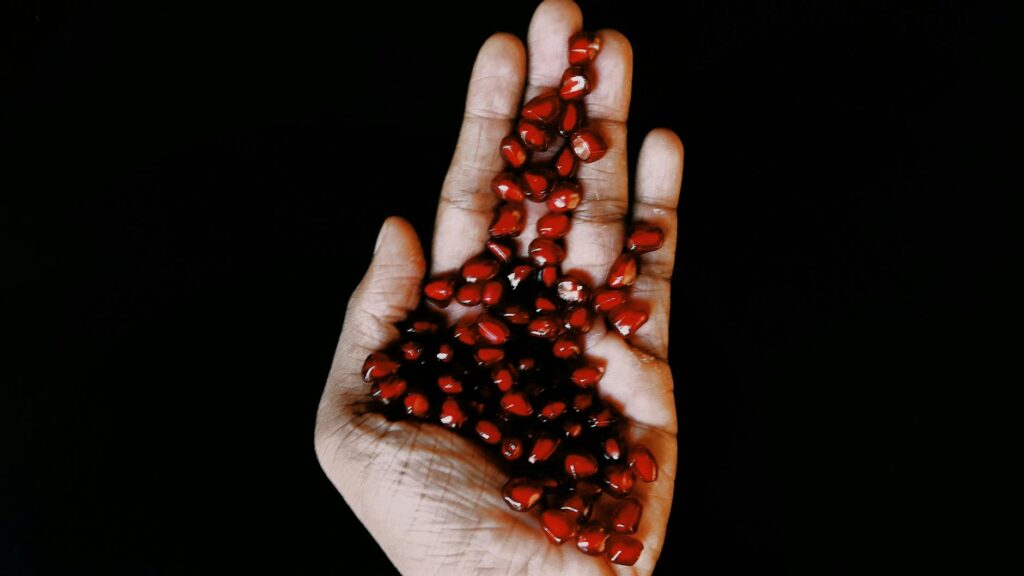
How to Grow Pomegranate Seeds at Home
Introduction
Pomegranate seeds, known for their striking ruby-red color and juicy sweetness, have captivated the culinary world for centuries. Beyond their delightful flavor, these seeds are packed with nutrients and boast a wide range of culinary uses. Growing pomegranate seeds at home offers not only the satisfaction of cultivating your own fruit but also the opportunity to enjoy fresh seeds straight from the tree. This guide will walk you through every step of the process, from understanding what growing entails to best practices for harvesting and storing your pomegranate seeds.
What Is Growing?
Growing refers to the process of cultivating plants from seeds, cuttings, or other plant parts to produce food, flowers, or other products. In the case of pomegranates, it involves understanding the plant’s life cycle, from germination to maturity. Pomegranates (Punica granatum) are deciduous shrubs or small trees native to the Middle East and are known for their resilience and adaptability to various climates. They thrive in warm, dry areas, making them a popular choice for home gardens in suitable regions.
History and Origins
The history of pomegranates can be traced back thousands of years. They are believed to have originated in the region spanning modern-day Iran and surrounding areas. Pomegranates have significant cultural and historical importance, often symbolizing fertility, abundance, and prosperity in various cultures. They were cultivated extensively in ancient Persia, Egypt, and the Mediterranean, eventually spreading to other regions, including the Americas, through trade and exploration. Today, pomegranates are grown in many parts of the world, including California, Spain, and India, where they are celebrated for their unique flavor and health benefits.
Production and Processing
When it comes to producing pomegranate seeds, understanding the plant’s growth requirements is essential. Pomegranate trees thrive in well-drained, sandy loam soil and require full sunlight for optimal fruit production. They are typically grown in USDA hardiness zones 7-10, where they can reach heights of 8 to 10 feet.
Planting Seeds
To grow pomegranate seeds at home, follow these steps:
1. Seed Selection: Start with high-quality seeds from a reputable source. You can also extract seeds from a fresh pomegranate, ensuring they are plump and fully developed.
2. Preparation: If using fresh seeds, rinse them to remove any pulp. This helps prevent mold during germination.
3. Soaking: Soak the seeds in water for 24 hours to enhance germination rates.
4. Sowing: Plant the seeds in a seed tray or pots filled with a well-draining potting mix. Plant them about ½ inch deep and water gently.
5. Germination: Place the trays in a warm location with indirect sunlight. Seeds typically germinate within 4-6 weeks, given the right conditions.
Transplanting
Once seedlings reach about 6 inches in height and have developed several sets of leaves, they can be transplanted outdoors. Choose a sunny location with well-drained soil. Space the plants at least 6 feet apart to allow for their mature size. Water thoroughly after transplanting and maintain consistent moisture during their early growth stages.
Quality and Grading
Quality pomegranate seeds are characterized by their vibrant color, firmness, and juiciness. When evaluating seeds for planting, consider the following factors:
- Color: Healthy seeds should be a deep red or purple, indicating ripeness.
- Size: Larger seeds generally yield more robust plants.
- Purity: Ensure that the seeds are free from contaminants and diseases, which can be detrimental to growth.
- Source: Buy from reputable nurseries or garden centers that specialize in pomegranate plants.
- Variety: Choose a variety suited to your climate and intended use, whether for fresh consumption or juicing.
- Certification: Look for seeds that are certified organic or non-GMO if this aligns with your gardening values.
- Fresh Seeds: Store fresh pomegranate seeds in an airtight container in the refrigerator. They can last for about 5-7 days.
- Frozen Seeds: For longer storage, freeze the seeds in a single layer on a baking sheet before transferring them to a freezer-safe container. Frozen seeds can last for up to a year.
- Dried Seeds: If you choose to dry the seeds, ensure they are completely dehydrated before storing them in an airtight container in a cool, dark place.
When harvesting seeds from your own pomegranates, select fruit that is fully ripe, as this will yield the best quality seeds.
Buying Considerations
When purchasing pomegranate seeds or plants, consider these aspects to ensure a successful growing experience:
Uses and Applications
Pomegranate seeds are incredibly versatile and can be used in various culinary applications. They can be eaten fresh, incorporated into salads, used as a garnish, or juiced for beverages. Their tart flavor complements both sweet and savory dishes, making them a favorite in global cuisines. Beyond culinary uses, pomegranate seeds are also popular in beverages and are often marketed as health drinks due to their antioxidant properties.
Storage and Shelf Life
Proper storage of pomegranate seeds is crucial to maintaining their freshness and flavor. Here are some tips for storing both harvested seeds and commercially purchased ones:
Common Misconceptions
Despite their popularity, several misconceptions surround pomegranate seeds:
1. Pomegranate Seeds Are Toxic: This is false. Pomegranate seeds are safe to eat and are, in fact, the edible part of the fruit.
2. Pomegranates Can Only Be Grown in Tropical Climates: While they thrive in warm climates, pomegranates can also grow in temperate regions with proper care and protection during cold months.
3. All Pomegranates