
How to Grow Radicchio at Home
Introduction
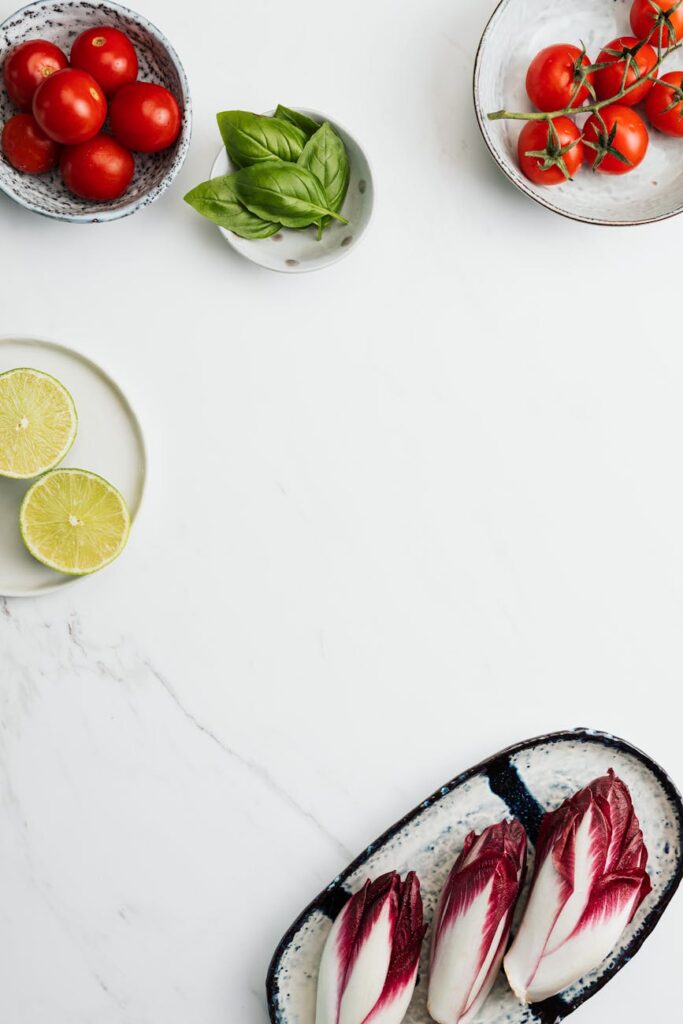
Radicchio, a member of the chicory family, is renowned for its distinctive bitter flavor and striking reddish-purple leaves. Originating from Italy, this leafy vegetable has gained popularity worldwide for its culinary versatility and visual appeal. Growing radicchio at home not only provides a fresh ingredient for your meals but also offers an engaging gardening experience. This article delves into the various aspects of cultivating radicchio, including its history, cultivation techniques, and practical considerations for successful home gardening.
What Is Growing?
Growing refers to the process of cultivating plants from seeds or seedlings to mature plants that can be harvested for consumption or other uses. When it comes to radicchio, this involves understanding the plant’s requirements for soil, light, water, and nutrients to ensure healthy growth. Radicchio can be grown in various environments, including garden beds, containers, or hydroponic systems, making it accessible to both experienced and novice gardeners.
History and Origins
Radicchio, particularly the variety known as Radicchio di Chioggia, hails from the Veneto region of Italy, where it has been cultivated for centuries. The name “radicchio” is derived from the Latin term “radicem,” meaning root. In Italy, radicchio became a staple in regional cuisine, utilized in salads, risottos, and grilled dishes. Over time, it spread to other parts of Europe and eventually to North America, where it found its place in gourmet kitchens and home gardens alike. Today, various cultivars exist, each with unique colors, shapes, and flavor profiles, allowing gardeners to choose the type that best fits their culinary needs.
Production and Processing
Growing radicchio requires a few essential steps that encompass soil preparation, sowing, care, and harvesting. The following sections outline each stage in detail:
Soil Preparation
Radicchio thrives in well-drained, fertile soil rich in organic matter. Before planting, it’s advisable to amend the soil with compost or well-rotted manure to enhance its nutrient content. A pH level between 6.0 and 7.0 is ideal for optimal growth. Testing the soil prior to planting can help determine any necessary amendments.
Sowing Seeds
Radicchio can be started from seeds indoors or sown directly into the garden. If starting indoors, sow seeds 6-8 weeks before the last frost date in your area. Use seed trays or small pots with a quality seed-starting mix, and cover them lightly with soil. Keep the soil moist and provide adequate light until the seedlings are ready to transplant.
For direct sowing, wait until the soil temperature reaches at least 60°F (15°C). Plant seeds about ¼ inch deep and 12 inches apart, allowing enough space for the plants to mature. Rows should be spaced at least 18 inches apart to facilitate air circulation.
Care and Maintenance
Once the seeds or seedlings are established, consistent care is crucial. Radicchio requires full sun, ideally receiving 6-8 hours of direct sunlight daily. Regular watering is essential, particularly during dry spells, as radicchio prefers consistently moist soil. Avoid waterlogging, as this can lead to root rot.
Fertilization is also important, especially during the early growth stages. A balanced fertilizer or one rich in nitrogen can support foliage development. Additionally, mulching can help retain soil moisture and suppress weeds.
Pest and Disease Management
Radicchio is susceptible to common pests such as aphids, slugs, and caterpillars. Regularly inspect the plants for signs of infestation and use organic methods like neem oil or insecticidal soap to manage pests. Diseases, including downy mildew and root rot, can also affect radicchio. Providing good air circulation and avoiding overcrowding can help mitigate these issues.
Harvesting
Radicchio is typically ready for harvest 70-100 days after planting, depending on the variety. The heads should be firm and compact, with vibrant color indicating they are ripe. To harvest, cut the head off at the base, leaving the roots in the ground if you wish to encourage a second crop.
Quality and Grading
The quality of radicchio can vary based on several factors, including its color, size, firmness, and overall appearance. High-quality radicchio should have a rich, deep color with unblemished leaves. The heads should feel firm to the touch, indicating freshness. Grading can be subjective and often depends on market preferences, but generally, the most vibrant and well-formed heads are favored.
Buying Considerations
When purchasing radicchio seeds or seedlings, consider the following:
1. Variety: Choose a variety that suits your local climate and culinary preferences. Popular options include Chioggia, Treviso, and Castelfranco.
2. Source: Buy seeds from reputable garden centers or seed companies to ensure quality and viability.
3. Organic Options: If you prefer organic gardening, look for certified organic seeds or plants.
4. Timing: Ensure you buy seeds in accordance with your local planting schedule to maximize growth potential.
Uses and Applications
Radicchio is a versatile ingredient in the culinary world. Its robust flavor can enhance a variety of dishes, making it a favorite among chefs and home cooks alike. Common uses include:
- Salads: Radicchio adds a bitter contrast to sweet or creamy dressings, making it an excellent choice for mixed salads.
- Grilling: The leaves can be grilled to soften their bitterness, offering a smoky flavor when charred.
- Pasta and Risotto: Radicchio can be sautéed and added to pasta dishes or risottos, providing depth and color.
- Pizza and Flatbreads: Used as a topping, radicchio adds a unique flair to pizzas and flatbreads.
Storage and Shelf Life
To maintain the freshness of harvested radicchio, proper storage is essential. Store unwashed heads in a perforated plastic bag in the refrigerator’s crisper drawer. This can help retain moisture while allowing airflow. Properly stored, radicchio can last up to two weeks.
For longer storage, consider blanching and freezing the leaves, although this may alter their texture. When using frozen radicchio, it’s best suited for cooked dishes rather than salads.
Common Misconceptions
Despite its popularity, several misconceptions about radicchio persist:
1. All Radicchio Is Bitter: While radicchio has a characteristic bitterness, this varies by variety and growing conditions. Some cultivars can be milder.
2. Radicchio Is Only for Salads: Many people believe radicchio is limited to salads, but it can be used in a variety of dishes, including cooked preparations.
3. Radicchio Is Difficult to Grow: Although radicchio does require specific growing conditions, it is not inherently difficult to cultivate, especially with proper care and attention.
Frequently Asked Questions
1. When is the best time to plant radicchio?
Radicchio is a cool-season crop best planted in early spring or late summer for a fall harvest. In warmer climates, consider planting in the fall.
2. How much sunlight does radicchio need?
Radicchio requires full sun, ideally 6-8 hours of direct sunlight per day, for optimal growth.
3. Can radicchio be grown in containers?
Yes, radicchio can be successfully grown in containers. Choose a pot that is at least 12 inches deep and wide to accommodate the root system.
4. What is the ideal temperature for growing radicchio?
Radicchio thrives in temperatures between 60°F and 70°F (15°C to 21°C). Extreme heat can cause the plants to bolt, while frost can damage the leaves.
5. How do I know when to harvest radicchio?
Harvest radicchio when the heads are firm and compact, and the color is vibrant. This typically occurs 70-100 days after planting.
6. Can I grow radicchio from store-bought heads?
It is possible to grow radicchio from store-bought heads by placing them in water to encourage sprouting. However, results can vary, and starting from seeds is generally more reliable.
Conclusion
Growing radicchio at home can be a rewarding endeavor that enhances your culinary repertoire. With a rich history and versatile applications, radicchio offers both aesthetic and gastronomic value. By understanding the requirements for successful cultivation and addressing common misconceptions, home gardeners can enjoy the satisfaction of nurturing this vibrant vegetable from seed to plate. Whether used in salads, grilled dishes, or as a unique pizza topping, radicchio is sure to elevate your culinary creations.