
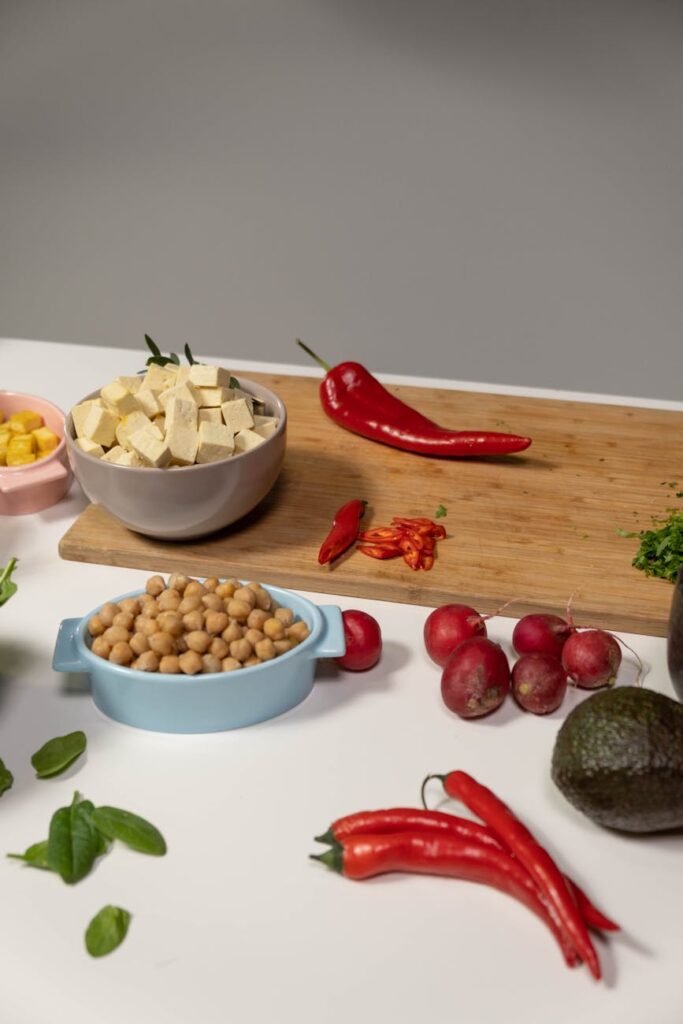
How to Grow Radish at Home
Introduction
Radishes are not only a staple in many cuisines worldwide but also a delight to grow in home gardens due to their quick maturation and ease of cultivation. Their crisp texture and peppery flavor make them popular in salads, sandwiches, and as garnishes. Growing radishes at home can be an enjoyable endeavor, providing fresh produce while enhancing your gardening skills. This comprehensive guide will explore the intricacies of growing radishes, from understanding the plant to harvesting your own produce.
What Is Growing?
Growing refers to the process of cultivating plants from seeds or cuttings until they reach maturity. In the context of radishes, it involves understanding their specific needs, including soil type, water requirements, and sunlight exposure. Successful growing hinges on creating an optimal environment that allows the radish plant to thrive, leading to a satisfying harvest.
History and Origins
The radish (Raphanus sativus) has a rich history that dates back to ancient civilizations. Originating in Southeast Asia, radishes were cultivated by the Egyptians, Greeks, and Romans over 2,000 years ago. They were prized not only for their flavor but also for their nutritional value. The Romans, in particular, revered radishes, using them as a food source and even as an offering to the gods.
As trade routes expanded, radishes made their way to various parts of the world, adapting to different climates and soils. Today, they are grown globally, with numerous varieties available, each offering unique flavors, colors, and textures.
Production and Processing
Soil Preparation
Radishes prefer well-drained, loose soil with a pH level between 6.0 and 7.0. Ideally, the soil should be rich in organic matter, which can be achieved by incorporating compost or well-rotted manure. Before planting, it’s essential to till the soil to a depth of at least 12 inches to ensure proper root development.
Planting
Radishes can be sown directly into the garden or in containers. Choose a location that receives full sun, as radishes thrive best in temperatures between 50°F and 70°F (10°C to 21°C).
1. Direct Sowing: Plant the seeds about ½ inch deep and 1 inch apart in rows spaced 12 inches apart. For a continuous harvest, sow new seeds every two weeks.
2. Container Growing: If using pots, choose containers that are at least 6 inches deep. Fill with a suitable potting mix and follow the same sowing guidelines.
Watering
Radishes require consistent moisture, particularly during germination and growth. While they are relatively drought-tolerant, watering them deeply at least once a week will promote robust root development. Avoid overwatering, as this can lead to root rot.
Thinning
Once seedlings have grown to about 2 inches tall, it’s crucial to thin them out to prevent overcrowding. Leave the strongest seedlings spaced about 2 inches apart. This ensures that each radish has enough room to develop properly.
Quality and Grading
The quality of radishes is determined by their appearance, size, and flavor. High-quality radishes should be firm, smooth, and vibrant in color. They should be free from blemishes or signs of decay. In commercial settings, grading systems classify radishes based on size and quality. However, for home gardeners, the focus should remain on achieving a vibrant, healthy crop.
Buying Considerations
When purchasing radish seeds, consider the following factors:
1. Variety: There are many varieties, including the classic red globe, white icicle, and black radish. Choose a variety that suits your palate and growing conditions.
2. Seed Quality: Look for seeds from reputable suppliers to ensure high germination rates and resistance to diseases.
3. Local Adaptation: If possible, select varieties that are adapted to your local climate, as this can significantly impact your success in growing.
Uses and Applications
Radishes are versatile ingredients in the culinary world. They can be consumed raw, pickled, or cooked. Their peppery flavor adds a delightful contrast to salads, while their crunchiness enhances various dishes. Besides culinary uses, radish greens can also be utilized in salads or as a cooked green, providing an additional layer of flavor and nutrition.
Storage and Shelf Life
Fresh radishes can be stored in the refrigerator for up to two weeks. To prolong their shelf life:
1. Remove Greens: Cut off the greens before storing, as they can draw moisture from the roots.
2. Moisture Control: Place radishes in a perforated plastic bag or a container wrapped in a damp paper towel to maintain humidity without promoting mold.
3. Temperature: Keep them in the crisper drawer of your refrigerator, where the temperature is optimal for root vegetables.
Common Misconceptions
1. Radishes Are Only Red: While red radishes are the most common, they come in various colors, including white, purple, and black, each with unique flavors and textures.
2. Radishes Are Spicy: The spiciness of radishes varies widely among varieties. Some are mild, while others are distinctly peppery, depending on growing conditions and maturity.
3. Radishes Are Difficult to Grow: On the contrary, radishes are among the easiest vegetables to grow, making them an excellent choice for novice gardeners.
Frequently Asked Questions
1. How long does it take for radishes to grow?
Radishes typically take 25 to 70 days to mature, depending on the variety. Most common types like the red globe can be harvested in about 30 days.
2. Can radishes be grown year-round?
In temperate climates, radishes can be grown year-round, especially if you choose winter varieties. In colder regions, they are usually grown in the spring and fall.
3. What pests should I watch for when growing radishes?
Common pests include aphids, flea beetles, and root maggots. Regular monitoring and organic pest control methods, such as neem oil, can help manage these pests.
4. Can I grow radishes indoors?
Yes, radishes can be successfully grown indoors in containers, provided they receive sufficient light—ideally, 12-14 hours of bright, indirect sunlight per day.
5. What should I do if my radishes bolt?
Bolting occurs when radishes flower prematurely, often due to stress from heat or irregular watering. If this happens, it’s best to harvest the radishes immediately, as the roots may become tough and bitter.
6. Are radishes a good companion plant?
Yes, radishes can be beneficial companion plants. They help repel certain pests and can improve the overall health of nearby crops, such as cucumbers and squash.
Conclusion
Growing radishes at home is a rewarding experience that provides fresh, flavorful produce with minimal effort. By understanding the essential aspects of cultivation, from soil preparation to harvesting, even novice gardeners can enjoy this delightful vegetable. Whether you choose to incorporate them into your meals or relish the satisfaction of home gardening, radishes offer a bounty of benefits that extend beyond their crisp texture and peppery taste. Embark on your radish-growing journey today and savor the joys of homegrown produce.