
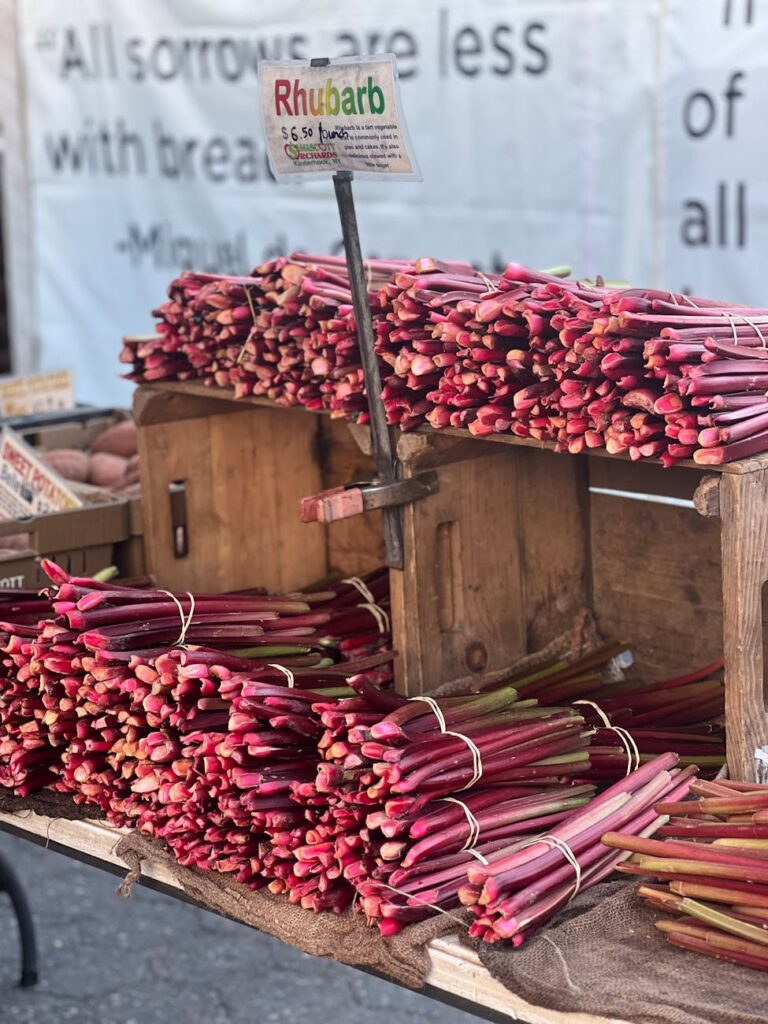
How to Grow Rhubarb at Home
Introduction
Rhubarb, a perennial vegetable often mistaken for a fruit, is celebrated for its tart flavor and vibrant stalks. Its unique taste and striking appearance make it a popular addition to gardens and culinary creations alike. Growing rhubarb at home can be a rewarding endeavor, providing both aesthetic appeal and culinary versatility. In this comprehensive guide, we will explore the various aspects of growing rhubarb, from its historical roots to cultivation, storage, and common misconceptions.
What Is Growing?
In the context of rhubarb, “growing” refers to the cultivation process that involves planting, nurturing, and harvesting the rhubarb plant. Understanding the basic requirements for growth, including soil quality, light conditions, and moisture levels, is essential for successful cultivation. Rhubarb thrives in well-drained, nutrient-rich soil and requires specific care to produce the best stalks.
History and Origins
Rhubarb has a storied history that dates back thousands of years. Originally native to regions in Asia, particularly Tibet, rhubarb was initially valued for its medicinal properties rather than culinary uses. Ancient Chinese texts reference rhubarb as a treatment for various ailments. As trade routes expanded, rhubarb made its way to Europe, where it began to gain popularity as a food ingredient in the 18th century.
The first recorded cultivation of rhubarb in Europe occurred in the 1600s, primarily in England. By the 19th century, it had become a staple in many gardens across the continent, celebrated for its tartness and ability to thrive in cooler climates. Today, rhubarb is cultivated in various regions worldwide, with notable production in the United States, Canada, and Europe.
Production and Processing
Growing rhubarb typically begins with selecting the right variety. There are several cultivars, each with distinct characteristics. Common varieties include:
1. Victoria: Known for its thick, tender stalks, this variety is excellent for pies and desserts.
2. Crimson Cherry: This variety boasts bright red stalks and a sweeter flavor, making it ideal for fresh consumption.
3. Hothouse Rhubarb: Grown in dark conditions to produce tender, sweet stalks, this variety is often available earlier in the season.
Planting Rhubarb
The ideal time to plant rhubarb is in early spring, as it requires a cold dormancy period to thrive. When planting:
- Location: Choose a sunny spot with well-drained soil. Rhubarb prefers full sun but can tolerate partial shade.
- Soil Preparation: Amend the soil with organic matter, such as compost or well-rotted manure, to improve fertility and drainage.
- Spacing: Space plants 3 to 4 feet apart to allow for their broad leaves and extensive root systems.
- Watering: Keep the soil consistently moist, especially during dry spells. Avoid waterlogging, as this can lead to root rot.
- Fertilization: Feed rhubarb with a balanced fertilizer in early spring and again after harvesting to promote healthy growth.
- Weeding: Regularly remove weeds that compete for nutrients and water.
- Twist and pull the stalks at the base, ensuring not to damage the crown.
- Harvest only two-thirds of the stalks to allow the plant to continue growing.
- Color: Bright red or deep pink stalks indicate ripeness and better flavor, while green stalks may be less desirable.
- Firmness: Stalks should be crisp and firm, with no signs of wilting or softness.
- Size: Larger stalks generally indicate mature plants but should still be tender enough for consumption.
- Seasonality: Rhubarb is typically in season from spring to early summer. Outside of this window, it may be hothouse-grown or imported.
- Local Sources: Purchasing locally can ensure freshness and support regional farmers.
- Organic vs. Conventional: Organic rhubarb may be preferable for those concerned about pesticide use. However, conventional rhubarb is also safe to consume when properly washed.
- Refrigeration: Fresh rhubarb should be stored in the refrigerator, ideally in a plastic bag or wrapped in a damp paper
Plant rhubarb crowns about 2 inches deep, ensuring the buds are facing upward. Water the area thoroughly after planting.
Care and Maintenance
Rhubarb requires consistent care to flourish:
Harvesting Rhubarb
Rhubarb should not be harvested in its first year to allow the plant to establish a strong root system. In subsequent years, harvesting can begin in late spring, typically around May. To harvest:
Quality and Grading
The quality of rhubarb is determined by several factors, including color, firmness, and size. High-quality rhubarb should have:
When purchasing rhubarb, check for blemishes or signs of decay, which can affect quality and storage.
Buying Considerations
When buying rhubarb, whether from a grocery store or a farmer’s market, consider the following:
Uses and Applications
Rhubarb is most commonly known for its culinary applications, particularly in desserts. Its tartness pairs well with sweet ingredients, making it a favorite in pies, crumbles, and jams. Beyond sweet dishes, rhubarb can also be used in savory preparations, such as sauces and marinades, where its acidity can enhance flavors.
Rhubarb is also gaining popularity in beverages, including cocktails and teas, where its distinctive flavor adds an intriguing twist. In addition to its culinary versatility, rhubarb leaves can be used as natural mulch in gardens, although they should not be consumed due to their toxicity.
Storage and Shelf Life
Proper storage is crucial for maintaining the quality of rhubarb: