
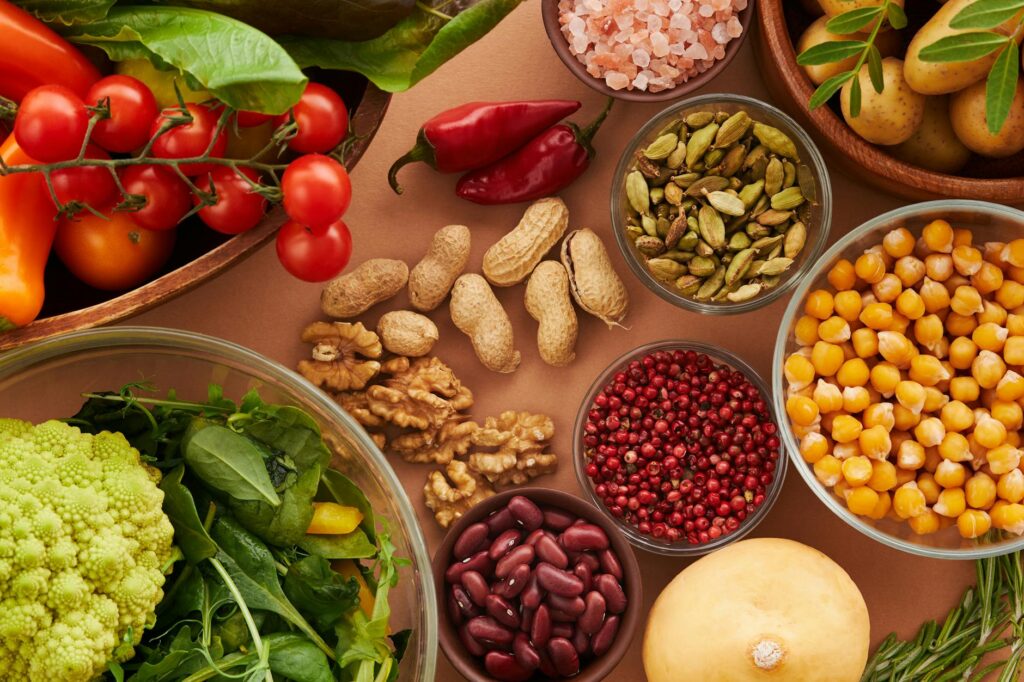
How to Grow Romanesco at Home
Introduction
Romanesco, a visually striking and architecturally intriguing vegetable, is not only a feast for the eyes but also a versatile addition to culinary endeavors. With its unique fractal patterns and vibrant green color, this member of the Brassica family captivates chefs and home cooks alike. While it may seem like a specialty item reserved for high-end grocery stores or farmers’ markets, growing Romanesco at home is entirely achievable. This article will guide you through the process of cultivating this remarkable vegetable, covering everything from its history to cultivation techniques.
What Is Growing?
Growing, in the context of agriculture, refers to the process of cultivating plants for food, fiber, or other products. This encompasses various stages, including seed selection, soil preparation, planting, maintenance, and harvesting. For home gardeners, understanding the nuances of growing specific crops, such as Romanesco, is essential for achieving optimal yields and quality.
Romanesco is a variety of cauliflower, known scientifically as Brassica oleracea var. botrytis, and is prized for its nutty flavor and unique appearance. It thrives in temperate climates, making it suitable for home gardening in many regions.
History and Origins
Romanesco has a rich history that traces back to Italy, where it was first cultivated in the 16th century. Its name is derived from the Romanesco region of Lazio, where it was originally grown. Over the centuries, this vegetable has gained popularity not only in Italian cuisine but also across Europe and beyond.
The unique fractal form of Romanesco is a product of its natural growth patterns. Each bud of the vegetable is a miniature version of the whole, a phenomenon known as self-similarity, which has intrigued mathematicians and scientists alike. Today, Romanesco is celebrated not just for its flavor but also for its striking appearance, making it a sought-after ingredient in gourmet cooking.
Production and Processing
Soil and Location
To successfully grow Romanesco, the first step is selecting the right location and preparing the soil. Romanesco prefers well-drained, fertile soil with a pH level between 6.0 and 7.0. Ideally, the soil should be rich in organic matter, so incorporating compost or well-rotted manure is beneficial.
Choose a sunny spot in your garden, as Romanesco requires full sun for optimal growth. Ideally, the plants should receive at least six hours of direct sunlight each day.
Planting
Romanesco can be grown from seeds or transplants. If starting from seeds, sow them indoors about six to eight weeks before the last expected frost. Seeds should be planted about ¼ inch deep in seed-starting trays or small pots. Once seedlings have developed two to three true leaves, they can be transplanted outdoors.
For direct seeding, wait until the soil temperature reaches at least 60°F (15°C). Space the seeds about 18 inches apart in rows that are 24 inches apart. This spacing allows for adequate air circulation around the plants, which is essential for preventing diseases.
Watering
Keeping the soil consistently moist is crucial during the early stages of growth. Romanesco requires about 1 to 1.5 inches of water per week. Regular watering is essential, particularly during dry spells. However, avoid waterlogging, as this can lead to root rot.
Fertilization
Fertilizing Romanesco is an important part of the growing process. A balanced fertilizer, such as a 10-10-10 nitrogen-phosphorus-potassium mix, can be applied every four to six weeks. However, excessive nitrogen should be avoided, as it can lead to lush foliage at the expense of head development.
Pest and Disease Management
Common pests that may affect Romanesco include aphids, cabbage worms, and flea beetles. Regularly inspect your plants and use organic pest control methods such as neem oil or insecticidal soap if infestations occur.
Diseases like downy mildew or black rot can also affect Romanesco. To minimize these risks, practice crop rotation and ensure adequate spacing for air circulation. Watering early in the day can help reduce moisture on leaves, which discourages disease development.
Harvesting
Romanesco is typically ready for harvest 70 to 100 days after planting, depending on the variety. The optimal time to harvest is when the heads are firm and tightly packed but before they begin to flower. Use a sharp knife to cut the heads from the plant, leaving a few leaves attached.
Quality and Grading
The quality of Romanesco is determined by several factors, including size, color, and firmness. High-quality Romanesco should have a vibrant green hue, a compact structure, and no signs of blemishes or wilting. When grading Romanesco, pay close attention to these characteristics, as they can affect both culinary applications and market value.
Buying Considerations
When purchasing Romanesco, whether from a market or a grocery store, consider the following:
1. Freshness: Look for heads that are firm and compact. Avoid those that appear wilted or have yellowing leaves.
2. Size: Ideal heads are typically around 6 to 8 inches in diameter. Smaller heads may be more tender, while larger ones can be tougher.
3. Organic vs. Conventional: If possible, choose organic Romanesco, as it is less likely to have pesticide residues.
4. Seasonality: Romanesco is typically in season from late summer to early fall, so purchasing during this time will yield the freshest produce.
Uses and Applications
Romanesco can be utilized in a variety of culinary applications. Its mild, nutty flavor pairs well with both raw and cooked preparations.
Culinary Uses
- Raw: Romanesco can be enjoyed fresh in salads or as part of a vegetable platter. Its unique shape makes it an attractive addition to any spread.
- Cooked: It can be steamed, roasted, or sautéed. When cooked, it retains a pleasant crunch and can serve as a side dish or an ingredient in pasta dishes, stir-fries, and casseroles.
Decorative Uses
Beyond its culinary applications, Romanesco’s stunning appearance makes it a popular choice for garnishes and centerpieces. Chefs often use it to add visual interest to plated dishes.
Storage and Shelf Life
To preserve the freshness of Romanesco, store it in the refrigerator. Wrap the heads loosely in a damp paper towel and place them in a perforated plastic bag. This method helps maintain humidity while allowing for air circulation.
When stored properly, Romanesco can last up to a week in the refrigerator. However, it is best consumed within a few days of harvest for optimal flavor and texture.
Common Misconceptions
Misconception 1: Romanesco is a hybrid of cauliflower and broccoli.
While Romanesco shares characteristics with both cauliflower and broccoli, it is not a hybrid. Rather, it is a unique variety within the Brassica family, specifically known for its fractal pattern.
Misconception 2: Growing Romanesco is too complicated for novice gardeners.
While Romanesco has specific growing requirements, it is not overly complicated to cultivate. With proper care, even novice gardeners can successfully grow this vegetable at home.
Misconception 3: Romanesco is only a decorative vegetable.
While its striking appearance makes it visually appealing, Romanesco is a versatile and delicious vegetable that can enhance a variety of dishes.
Frequently Asked Questions
1. Is Romanesco a perennial or annual plant?
Romanesco is typically grown as an annual, meaning it completes its life cycle within one growing season.
2. Can I grow Romanesco in containers?
Yes, Romanesco can be grown in large containers, provided they have sufficient depth and width for the roots to develop. Ensure that the container has good drainage.
3. What climate is best for growing Romanesco?
Romanesco thrives in temperate climates. It prefers cooler temperatures, so it is best grown in spring or fall in most regions.
4. How often should I water my Romanesco plants?
Romanesco requires about 1 to 1.5 inches of water per week. Adjust this based on weather conditions, ensuring that the soil remains consistently moist but not waterlogged.
5. Can I save seeds from my Romanesco plants?
Yes, you can save seeds from Romanesco plants. Allow the heads to flower and develop seeds, then harvest and store them in a cool, dry place.
6. What pests should I watch for when growing Romanesco?
Common pests include aphids, cabbage worms, and flea beetles. Regular monitoring and organic pest control methods can help manage these issues.
Conclusion
Growing Romanesco at home can be a rewarding endeavor, allowing you to enjoy its unique flavor and striking appearance right from your garden. With the right techniques and care, you can cultivate this fascinating vegetable and incorporate it into your culinary repertoire. Whether enjoyed raw or cooked, Romanesco is sure to impress both you and your guests, making it a worthwhile addition to your home garden.