
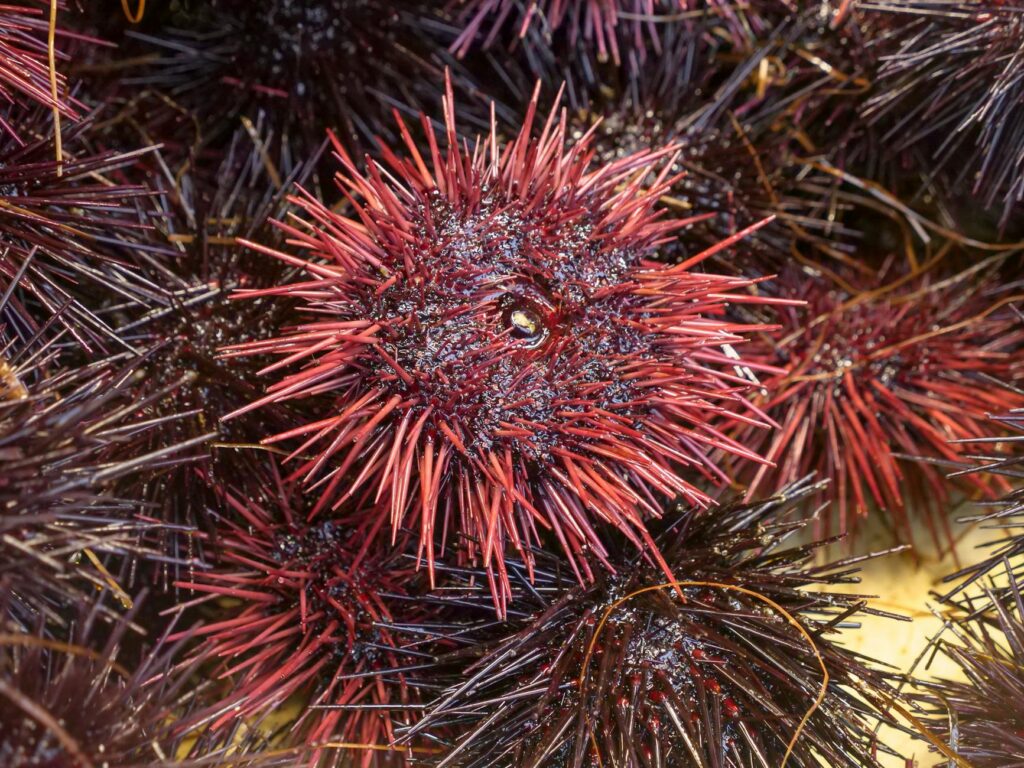
How to Grow Sea Urchin at Home
Introduction
Sea urchins are fascinating marine creatures that belong to the class Echinoidea. These spiny invertebrates have garnered significant attention in the culinary world, particularly in high-end gastronomy, where they are celebrated for their rich, briny flavor and delicate texture. However, the notion of growing sea urchins at home may seem daunting to many. This article aims to provide a comprehensive guide on how to cultivate these unique marine organisms, covering various aspects from their biology to practical cultivation techniques.
What Is Growing?
In the context of sea urchins, “growing” refers to the process of cultivating them in a controlled environment, typically in marine aquaculture settings. This involves creating optimal conditions for their development, including suitable water quality, temperature, and diet. Cultivating sea urchins can be an enriching endeavor, not only for enthusiasts but also for those interested in sustainable marine practices.
History and Origins
Sea urchins have a long history of culinary use, particularly in coastal regions of Japan, where they are known as “uni.” The earliest records of sea urchin consumption date back to ancient civilizations, where they were harvested from the ocean and enjoyed for their unique taste. Over time, the demand for sea urchins has expanded globally, leading to increased interest in their aquaculture.
In recent decades, the decline of wild sea urchin populations due to overfishing and environmental changes has prompted aquaculture as a viable alternative. Countries like Japan, Chile, and the United States have pioneered sea urchin farming techniques, offering valuable insights for aspiring home growers.
Production and Processing
Site Selection
Choosing the right location is crucial for successful sea urchin cultivation. Ideally, the site should provide access to clean, nutrient-rich seawater. The substrate should be rocky or sandy, allowing for natural hiding spots that mimic the urchin’s natural habitat. Depth is also a consideration; a range of 10 to 30 meters is often ideal.
Water Quality
Maintaining optimal water quality is essential for growing sea urchins. Key parameters to monitor include:
- Salinity: Sea urchins thrive in salinities between 30-35 parts per thousand (ppt).
- Temperature: Most species prefer water temperatures between 10°C to 20°C (50°F to 68°F).
- Oxygen Levels: Oxygen saturation should be maintained above 5 mg/L for optimal growth.
- pH Levels: A pH range of 7.5 to 8.5 is ideal, mimicking their natural ocean environment.
- Seaweed: Common varieties include kelp and nori, which provide essential nutrients.
- Microalgae: Supplementing their diet with microalgae can enhance growth rates and improve meat quality.
- Color: High-quality sea urchins exhibit vibrant colors, with golden-yellow or orange roe being particularly desirable.
- Texture: The flesh should be creamy and smooth, without any graininess.
- Flavor: Freshness is crucial; the taste should be briny and slightly sweet, without any overwhelming fishy undertones.
- Sushi and Sashimi: Fresh sea urchin roe is often served raw, showcasing its delicate texture and flavor.
- Pasta and Risotto: Sea urchin can be incorporated into sauces, adding a briny depth to dishes.
- Salads: The roe can be used as a garnish to elevate salads, providing a luxurious touch.
- Live Sea Urchins: Store in a cool, damp environment, ideally at temperatures between 0°C to 5°C (32°F to 41°F). They can last for several days if kept in optimal conditions.
- Processed Roe: If purchasing sea urchin roe, it should be kept refrigerated and consumed within a few days for the best flavor. Freezing can extend shelf life, but may slightly alter the texture.
Feeding
Sea urchins are primarily herbivorous, feeding on algae, kelp, and other marine vegetation. A balanced diet is crucial for their growth and overall health. When cultivating at home, consider incorporating the following:
Stocking Density
The density of sea urchins within your cultivation area will affect their growth rates and overall health. A common recommendation is to stock between 15 to 30 individuals per square meter, depending on the size of the sea urchins and the available resources.
Quality and Grading
The quality of harvested sea urchins is paramount, particularly if they are intended for culinary use. Key factors that influence quality include:
Grading systems vary by region, but generally, sea urchins are categorized into grades based on their size, appearance, and flavor profile.
Buying Considerations
When purchasing sea urchins, whether for cultivation or consumption, consider the following factors:
1. Source: Ensure that the sea urchins are sourced from sustainable fisheries or aquaculture farms.
2. Freshness: Live sea urchins should have a firm shell and be responsive when touched.
3. Processing: If buying processed sea urchin roe, check for quality seals and certification marks.
Uses and Applications
Sea urchins are highly valued in gastronomy for their unique flavor and versatility. They can be used in various culinary applications, including:
In addition to culinary uses, sea urchins play a role in marine ecosystems by grazing on algae, helping maintain the health of coral reefs.
Storage and Shelf Life
Proper storage is critical for maintaining the quality of sea urchins after harvest. Follow these guidelines for optimal storage:
Common Misconceptions
Misconception 1: Sea Urchins Are Only Found in the Ocean
While sea urchins are primarily marine creatures, some species can be found in brackish waters. However, for cultivation, saltwater environments are preferable.
Misconception 2: Sea Urchins Are Difficult to Grow
While there are challenges involved, with the right knowledge and resources, growing sea urchins can be a rewarding experience. Many aquaculture operations demonstrate that successful cultivation is achievable.
Misconception 3: All Sea Urchins Are Edible
Not all sea urchin species are suitable for consumption. It is crucial to identify and cultivate only those species that are known for their culinary value, such as the red sea urchin (Strongylocentrotus franciscanus) and the purple sea urchin (Strongylocentrotus purpuratus).
Frequently Asked Questions
1. Can I grow sea urchins in a home aquarium?
Growing sea urchins in a home aquarium is possible, but it requires careful attention to water quality and temperature. A specialized marine aquarium setup is recommended.
2. What species of sea urchins are best for cultivation?
The red sea urchin and purple sea urchin are among the most commonly cultivated species, known for their desirable taste and market value.
3. How long does it take for sea urchins to reach maturity?
Depending on the species and environmental conditions, sea urchins can take anywhere from 1 to 3 years to reach marketable size.
4. Is sea urchin farming sustainable?
When conducted responsibly, sea urchin farming can be a sustainable practice that helps alleviate pressure on wild populations while providing a valuable food source.
5. What are the potential challenges in growing sea urchins?
Challenges may include maintaining optimal water quality, managing disease outbreaks, and ensuring a consistent food supply.
6. Can I cultivate sea urchins in freshwater?
Sea urchins are marine organisms and cannot thrive in freshwater environments. They require saltwater for survival and growth.
Conclusion
Growing sea urchins at home can be a fulfilling endeavor for those interested in marine life and sustainable practices. By understanding their needs and following the appropriate cultivation techniques, enthusiasts can successfully raise these captivating creatures while contributing to the culinary landscape. With a rich history and wide-ranging applications, sea urchins represent not only a unique ingredient but also an opportunity for sustainable seafood production.