
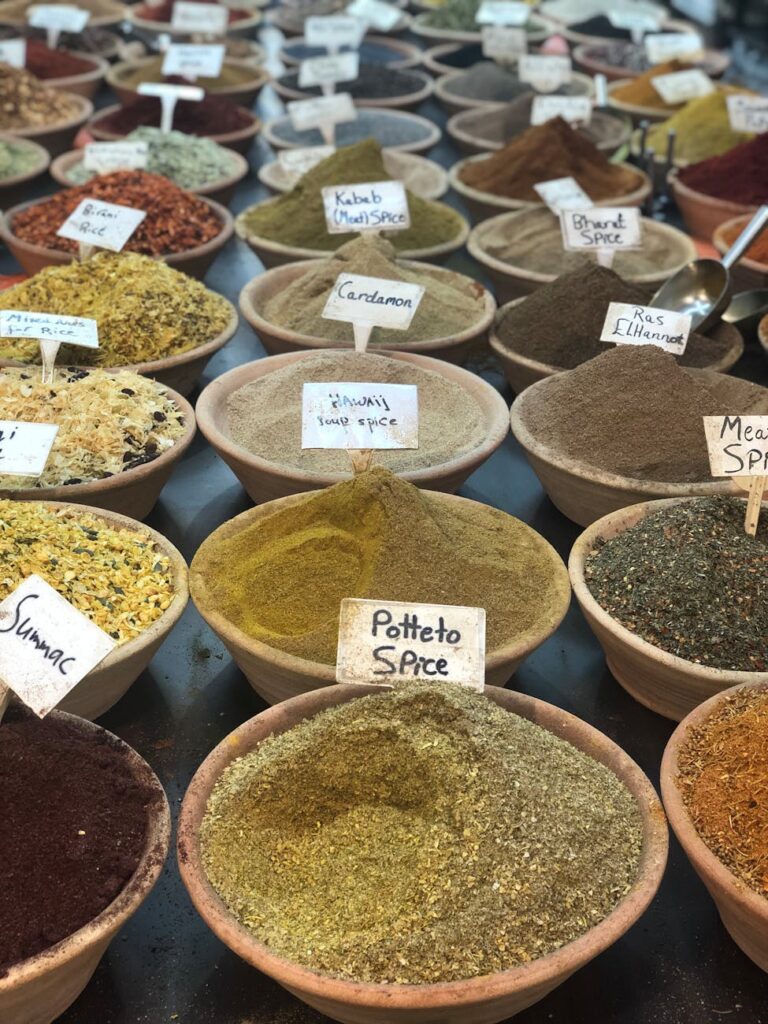
How to Grow Sumac at Home
Introduction
Sumac, a versatile and flavorful spice, has captured the attention of culinary enthusiasts worldwide. Known for its tangy, lemony flavor, it is often used in Middle Eastern and Mediterranean cuisines. However, beyond its culinary applications, sumac’s vibrant foliage and distinctive red berries make it an attractive addition to home gardens. Growing sumac at home can be a rewarding experience, allowing you to enjoy fresh ingredients while enhancing your garden’s aesthetics. This comprehensive guide will delve into the intricacies of cultivating sumac, from understanding its history to addressing common misconceptions.
What Is Growing?
Growing, in the context of sumac, refers to the cultivation of the Rhus genus, particularly Rhus coriaria, known as the common sumac. This perennial shrub is characterized by its beautiful, serrated leaves and clusters of red berries, which are harvested and ground into a powder for culinary use. Sumac thrives in various climates, making it accessible to gardeners across different regions.
History and Origins
Sumac has a rich history that dates back thousands of years. Native to parts of the Middle East, Europe, and North Africa, it has been utilized for both culinary and medicinal purposes since ancient times. The use of sumac in cooking is believed to have originated with the Romans and has since spread across various cultures, especially in the Mediterranean region.
Historically, sumac has been used not only as a spice but also as a natural dye and a preservative due to its antioxidant properties. Its prominence in dishes like za’atar, a spice blend, and its use as a garnish in salads highlight its versatility and importance in regional cuisines. Understanding this history provides context for the value of growing sumac at home.
Production and Processing
Growing sumac requires specific conditions to ensure a successful yield. The plant prefers well-drained soil and thrives in full sun, although it can tolerate partial shade. Here are the essential steps to consider when cultivating sumac:
Soil Preparation
Before planting, assess your soil’s quality. Sumac prefers slightly acidic to neutral pH levels (around 6.0 to 7.0). To improve soil quality, consider mixing organic compost into the planting area. This enriches the soil with essential nutrients and aids in drainage.
Planting
Sumac can be propagated through seeds or cuttings. For seed propagation, soak the seeds in water for 24 hours before planting. This process helps to soften the seed coat, improving germination rates. Plant seeds about 1 inch deep and space them approximately 3 feet apart to allow for mature growth.
If using cuttings, select healthy stems from an established sumac plant. Cut about six inches below a leaf node, remove the lower leaves, and place the cutting in a pot with well-draining soil. Water it well and keep it in a warm, sunny location until roots develop.
Watering and Maintenance
Sumac is relatively drought-tolerant once established but requires regular watering during the first few months after planting. Water the plants deeply but infrequently, allowing the soil to dry out between watering sessions. Mulching around the base can help retain moisture and reduce weed competition.
Fertilizing
While sumac is not a heavy feeder, a balanced fertilizer applied in early spring can support growth. Organic options, such as fish emulsion or compost tea, can also enhance soil health without the risk of over-fertilization.
Pruning
Pruning is essential to maintain the plant’s shape and encourage healthy growth. In late winter or early spring, remove any dead or diseased wood and thin out crowded branches to improve air circulation. This practice can help prevent fungal diseases.
Quality and Grading
The quality of sumac berries directly influences the flavor and aroma of the spice. When growing sumac, attention to harvesting and processing is crucial.
Harvesting
Sumac berries are typically ready for harvest in late summer to early fall. They should be picked when fully ripe, displaying a vibrant red color. The best time to harvest is after a dry spell, as moisture can lead to mold development.
Processing
Once harvested, the berries should be dried in a cool, shaded area to prevent loss of flavor and color. After drying, the berries can be ground into a fine powder using a spice grinder or mortar and pestle. Properly processed sumac will have a bright red hue and a tart, citrus-like flavor.
Buying Considerations
For those who prefer to purchase sumac rather than grow it, several factors should be considered:
Freshness
When buying sumac, check for freshness. A vibrant color and strong aroma indicate quality. Avoid products that appear dull or lack scent.
Source
Purchase sumac from reputable suppliers or specialty spice shops. Organic options are often available and may offer superior flavor.
Packaging
Opt for sumac that is packaged in airtight containers to preserve freshness. If buying in bulk, ensure it is stored properly to prevent exposure to moisture.
Uses and Applications
Sumac’s culinary applications are vast. It is commonly used to season meats, fish, and vegetables, imparting a unique tartness. Additionally, it is an essential ingredient in several spice blends, including za’atar. Beyond cooking, sumac can also be used to make refreshing beverages or sprinkled over salads for an added flavor boost.
Storage and Shelf Life
To maintain the quality of homegrown or purchased sumac, proper storage is essential. Store sumac in a cool, dark, and dry place, ideally in an airtight container. When stored correctly, ground sumac can last for up to two years without significant loss of flavor. Whole berries have a longer shelf life, generally retaining their quality for up to three years.
Common Misconceptions
Despite its popularity, several misconceptions surround sumac and its cultivation:
Sumac Is Poisonous
One common myth is that all sumac varieties are toxic. While certain types of sumac can be harmful, Rhus coriaria is safe for consumption. It is essential to differentiate between edible and toxic species.
Sumac Requires Special Care
Another misconception is that sumac is difficult to grow. On the contrary, sumac is a hardy plant that thrives in various conditions, making it an excellent choice for novice gardeners.
Sumac Is Only for Middle Eastern Cuisine
While sumac is a staple in Middle Eastern dishes, its versatility allows it to be incorporated into a range of culinary traditions. Its unique flavor profile can enhance various dishes, from Mediterranean to Western cuisines.
Frequently Asked Questions
1. Can sumac be grown in containers?
Yes, sumac can be grown in containers, provided there is adequate drainage. Choose a large pot to accommodate the plant’s root system, and ensure it receives sufficient sunlight.
2. How long does it take for sumac to grow?
From seed to harvest, sumac may take about two to three years to mature, depending on growing conditions. However, cuttings can produce quicker results.
3. What climate is best for growing sumac?
Sumac thrives in temperate climates with well-drained soil and full sun. It can tolerate drought conditions, making it suitable for various environments.
4. Can I use sumac in place of lemon juice?
Yes, sumac can be used as a substitute for lemon juice in many dishes, providing a similar tartness. However, it will not replicate the same acidity.
5. Is sumac an annual or perennial plant?
Sumac is a perennial shrub, which means it will return year after year, making it a sustainable choice for home gardens.
6. What pests or diseases should I watch for when growing sumac?
Sumac is generally resistant to pests and diseases, but keep an eye out for aphids and scale insects. Fungal diseases can occur in overly wet conditions, so ensure proper watering practices.
Conclusion
Growing sumac at home offers not only the delight of a unique culinary ingredient but also the joy of nurturing a beautiful plant. With its rich history, versatile applications, and relatively straightforward care requirements, sumac is an excellent addition to any garden. By understanding the plant’s needs, from soil preparation to harvesting, you can enjoy the fruits of your labor for years to come. Whether you are a seasoned gardener or a novice, sumac is a rewarding and flavorful endeavor worth pursuing.