
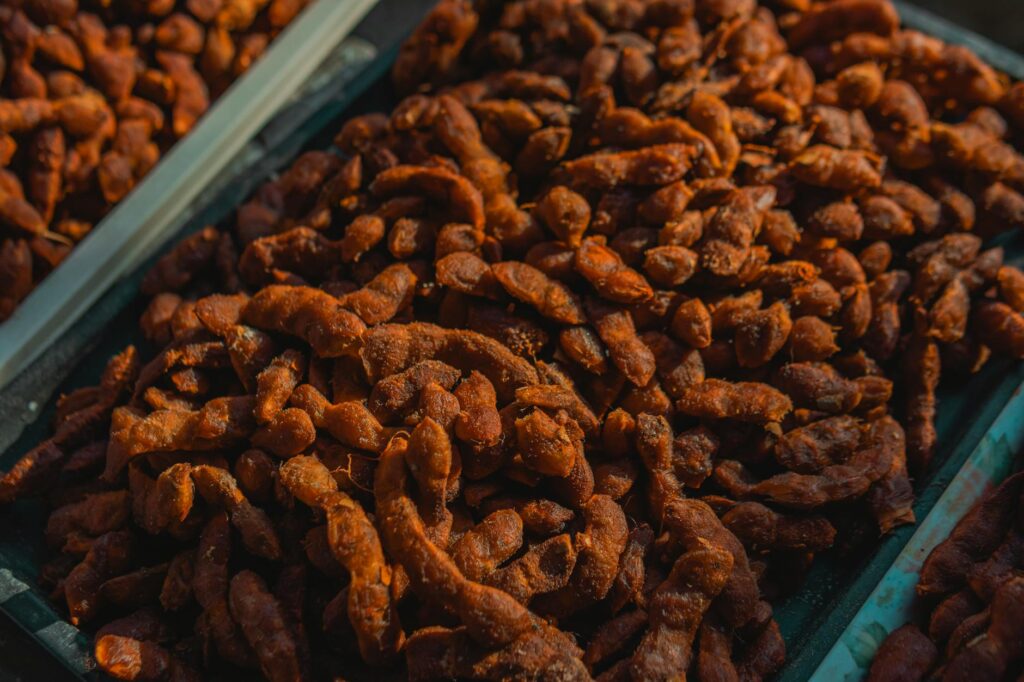
How to Grow Tamarind at Home
Introduction
Tamarind (Tamarindus indica) is a tropical tree known for its tangy, sweet pods that are widely used in culinary applications across the globe. Growing tamarind at home can be a rewarding endeavor, providing not only a unique ingredient for your kitchen but also a beautiful addition to your garden. This article serves as a comprehensive guide to cultivating tamarind, covering everything from its history and origins to practical tips for successful growth.
What Is Growing?
Growing refers to the process of nurturing plants from seeds or saplings to maturity, enabling them to produce fruits, vegetables, or other edible parts. In the context of tamarind, growing involves understanding its specific requirements for soil, climate, and care, ensuring that the tree can thrive and yield high-quality pods.
History and Origins
Tamarind is believed to have originated in Africa, specifically in the region of Sudan. However, it has been cultivated for thousands of years in various tropical and subtropical regions. The tree has significant cultural and culinary value in countries such as India, Mexico, and Thailand, where it is an integral part of local cuisines.
Historically, tamarind has also been used in traditional medicine and as a natural preservative due to its acidic nature. Its versatility and unique flavor have enabled it to traverse borders, making it a beloved ingredient in many international dishes.
Production and Processing
Cultivation
Tamarind trees thrive in warm climates, preferring temperatures between 20°C to 35°C (68°F to 95°F). They require full sun exposure and well-draining soil with a neutral to slightly acidic pH. Given their drought-resistant nature, tamarind trees are often grown in regions with low rainfall, but they do benefit from occasional watering, particularly during the early stages of growth.
Planting
1. Soil Preparation: Start by preparing the soil, ensuring it is well-drained. You can enhance the soil quality by adding organic matter or compost.
2. Seed Selection: You can grow tamarind from seeds or purchase young saplings from a nursery. If using seeds, soak them in water for 24 hours to improve germination rates.
3. Sowing: Plant seeds approximately 1 inch deep in the prepared soil. Space them at least 15 feet apart if planting multiple seeds, as mature tamarind trees can grow quite large.
4. Watering: Water the soil lightly after planting, keeping it moist but not waterlogged until the seedlings are established.
Maintenance
- Fertilization: Fertilize the young tamarind tree with a balanced organic fertilizer every few months to promote healthy growth.
- Pruning: Regular pruning is essential for shaping the tree and removing dead or crowded branches. This practice helps improve airflow and sunlight penetration.
- Pest and Disease Control: Monitor for common pests such as aphids and scale insects. Use organic pesticide solutions or neem oil if necessary.
- Source: Opt for reputable nurseries or suppliers that specialize in tropical plants. This ensures you receive healthy, disease-free products.
- Seed Viability: If buying seeds, check the packaging for a germination rate and ensure they are fresh.
- Organic Certification: For environmentally-conscious gardeners, consider seeking organic tamarind seeds or saplings.
Quality and Grading
The quality of tamarind can vary based on several factors including the age of the tree, growing conditions, and harvesting methods. When harvested, tamarind pods should be firm, plump, and free from blemishes.
Grading
Tamarind is usually graded based on its size, color, and pulp quality. High-quality tamarind has a rich brown color and a sweet-tart flavor. It is essential to source tamarind from reputable suppliers who adhere to quality standards, especially if you intend to use it for culinary purposes.
Buying Considerations
When purchasing tamarind—whether seeds, saplings, or pods—it’s crucial to consider the following:
Uses and Applications
Tamarind is celebrated for its culinary versatility. The pulp can be used in various dishes, including sauces, chutneys, and marinades. Its unique flavor profile can enhance both sweet and savory recipes. Beyond the kitchen, tamarind has applications in the beverage industry, serving as a base for refreshing drinks in many cultures.
Additionally, tamarind is used in cosmetic products and natural cleaning solutions due to its acidic properties. The leaves and bark are also utilized in traditional crafts and as animal fodder.
Storage and Shelf Life
Fresh tamarind pods can be stored at room temperature for a few weeks. For longer shelf life, the pods can be refrigerated. Once the pods have been opened, the pulp can be stored in an airtight container in the refrigerator for up to two weeks.
To preserve tamarind for extended periods, consider drying the pulp. Dried tamarind can be stored in a cool, dry place for several months and is often used in powdered form as a spice.
Common Misconceptions
Despite its popularity, there are several misconceptions about tamarind:
1. Tamarind is a Fruit: Many people mistakenly categorize tamarind as a standard fruit. Technically, it is a legume, similar to peas or beans, encapsulated in a pod.
2. Tamarind Trees Require Lots of Water: While tamarind trees do benefit from occasional watering, they are drought-resistant and prefer well-drained soil.
3. Tamarind is Only Used for Sweets: While it is famous for its sweet-tart flavor in desserts, tamarind is widely used in savory dishes across various cuisines.
4. Growing Tamarind is Difficult: With the right conditions and care, tamarind can be grown successfully by home gardeners in suitable climates.
Frequently Asked Questions
1. Can tamarind be grown in pots?
Yes, tamarind can be grown in large pots or containers, provided they have adequate drainage and enough space for the tree’s roots to expand.
2. How long does it take for a tamarind tree to bear fruit?
A tamarind tree typically takes about 5 to 7 years to begin bearing fruit, depending on the growing conditions and care provided.
3. What climate is best for growing tamarind?
Tamarind thrives in tropical and subtropical climates. It prefers temperatures between 20°C to 35°C (68°F to 95°F) and full sun.
4. How do I know when tamarind pods are ripe?
Ripe tamarind pods are brown and firm, with a slightly wrinkled appearance. They should feel heavy for their size.
5. Can tamarind trees survive frost?
Tamarind trees are not frost-tolerant and can be damaged by cold temperatures. In cooler climates, consider growing them in pots to bring indoors during winter.
6. Is it necessary to pollinate tamarind flowers?
Tamarind trees are generally self-pollinating, but cross-pollination from nearby trees can enhance fruit set and quality.
Conclusion
Growing tamarind at home can be a fulfilling venture, offering both ornamental beauty and culinary delight. By understanding the tree’s requirements, maintaining optimal growing conditions, and dispelling common misconceptions, you can successfully cultivate this unique ingredient. Whether you are a culinary enthusiast or a gardening aficionado, tamarind can enrich your home and kitchen with its distinct flavor and versatility.