
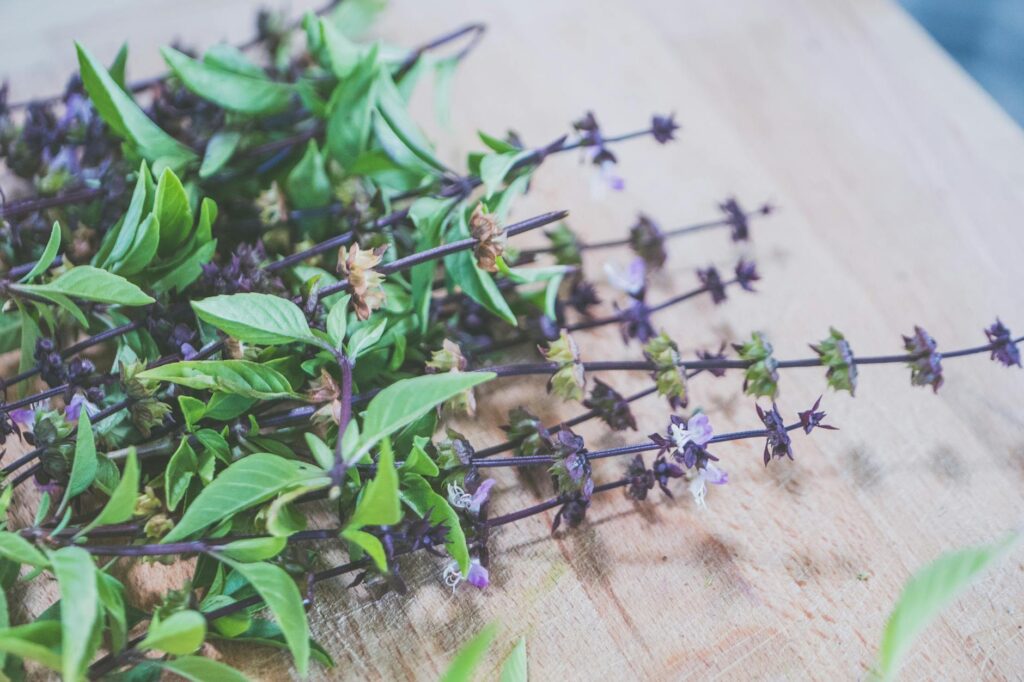
How to Grow Thai Basil at Home
Introduction
Thai basil, with its aromatic leaves and unique flavor profile, has become a staple in various cuisines, particularly in Southeast Asia. Growing Thai basil at home not only enhances culinary experiences but also provides a rewarding gardening endeavor. In this comprehensive guide, we will explore the intricacies of growing Thai basil, from its origins to its uses in the kitchen.
What Is Growing?
Growing refers to the process of cultivating plants from seeds or cuttings to produce edible or ornamental crops. For many, gardening is a passion that extends beyond mere sustenance; it is an art form and a way to connect with nature. Growing Thai basil at home allows gardeners to enjoy fresh herbs, enhancing the flavor of their dishes while also benefiting from the therapeutic aspects of gardening.
History and Origins
Thai basil, scientifically known as Ocimum basilicum var. thyrsiflora, is indigenous to Southeast Asia, particularly Thailand, where it is known as “bai horapha.” This herb has been integral to Thai cuisine for centuries, often used in various dishes such as curries, stir-fries, and salads. Unlike sweet basil, which is common in Western cooking, Thai basil has a distinct anise-like flavor, attributed to its high content of anethole, the compound responsible for its aromatic profile.
Historically, Thai basil was cultivated not only for culinary uses but also for its medicinal properties in traditional practices. Its growth and popularity have spread worldwide, making it a cherished herb in many culinary traditions.
Production and Processing
Growing Thai basil requires specific conditions to thrive. It is a warm-weather herb that flourishes in temperatures between 70°F and 90°F (21°C to 32°C). The ideal soil for Thai basil is well-draining, rich in organic matter, with a pH level between 6.0 and 7.0.
Cultivation Techniques
1. Seeds or Cuttings: Thai basil can be grown from seeds or cuttings. Seeds should be sown indoors about six to eight weeks before the last frost date, while cuttings can be taken from established plants.
2. Planting: If using seeds, sprinkle them on the surface of moist soil and lightly cover them. For cuttings, plant them in a pot filled with a quality potting mix. Ensure they receive adequate light and warmth.
3. Watering: Thai basil needs consistent moisture but should not be over-watered. The soil should remain damp but never soggy.
4. Fertilization: A balanced liquid fertilizer can be applied every four to six weeks during the growing season to promote healthy growth.
5. Pruning: Regular pruning encourages bushier growth and prevents the plant from flowering too early, which can alter the flavor of the leaves.
Quality and Grading
Quality assessment of Thai basil is crucial for both home gardeners and commercial producers. Quality is determined by factors such as leaf size, color, and aroma. Fresh Thai basil leaves should be vibrant green, tender, and fragrant.
In commercial settings, grading is often based on the freshness of the herb, with higher grades reserved for leaves that are unblemished, free from disease, and have a strong scent. Home gardeners should aim for similar standards, as the quality of the basil will directly affect its culinary applications.
Buying Considerations
When purchasing Thai basil, whether from a nursery or a local market, consider the following:
1. Varietal Differences: Familiarize yourself with the different varieties of Thai basil. The most common include ‘Siam Queen’ and ‘Thai Sweet Basil,’ each offering distinct flavor profiles.
2. Freshness: Look for bright green leaves that are crisp and aromatic. Avoid wilted or yellowing leaves, as this indicates age or poor storage conditions.
3. Organic Options: If possible, choose organic Thai basil to avoid exposure to pesticides and chemicals.
4. Sourcing: Local farmers’ markets or specialty Asian grocers often provide fresher options than mass-produced versions found in supermarkets.
Uses and Applications
Thai basil is celebrated for its versatility in the kitchen. Its flavor complements a wide array of dishes, from traditional Thai recipes to modern fusion cuisine. Some common uses include:
- Curries: Thai basil is a key ingredient in many curry dishes, adding depth and complexity.
- Stir-Fries: The herb enhances stir-fried vegetables and proteins, providing a burst of flavor.
- Soups: Fresh Thai basil leaves can elevate the taste of soups, particularly Thai noodle soups.
- Salads: Used raw, the aromatic leaves add freshness to salads and garnishes.
Beyond culinary applications, Thai basil is also used in herbal teas and infusions, further showcasing its adaptability.
Storage and Shelf Life
Proper storage is essential to maintain the freshness and flavor of Thai basil. Here are some effective methods:
1. Refrigeration: Store fresh basil in the refrigerator. Wrap the leaves in a damp paper towel and place them in a plastic bag to retain moisture.
2. Water Method: Place the stems in a glass of water, similar to a bouquet, and cover the leaves with a plastic bag. This method can extend freshness for several days.
3. Freezing: For longer storage, Thai basil can be frozen. Blanch the leaves briefly in boiling water, cool them in ice water, and then freeze in airtight containers or freezer bags.
The shelf life of fresh Thai basil typically ranges from 5 to 10 days in the refrigerator, while frozen basil can last for several months.
Common Misconceptions
Several misconceptions surround the cultivation and use of Thai basil:
1. Thai Basil vs. Sweet Basil: Many confuse Thai basil with sweet basil. They are distinct varieties, each with its unique flavor and