
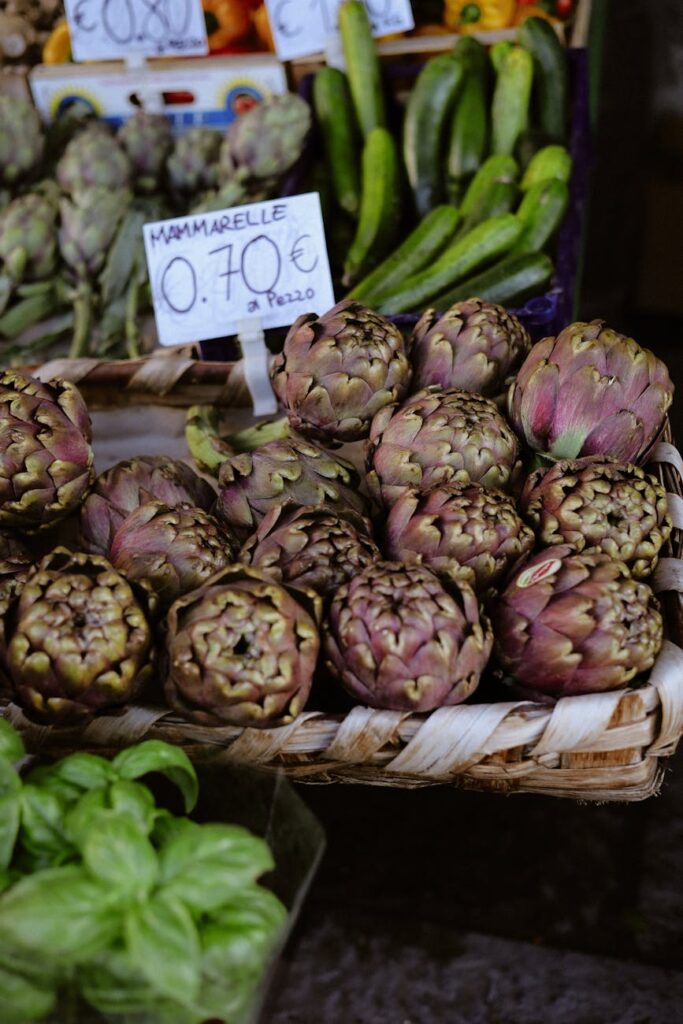
How to Store Artichoke
Introduction
Artichokes are a unique and versatile vegetable that have captivated culinary enthusiasts and home cooks alike. Their distinctive flavor and striking appearance make them a popular choice in various cuisines around the world. However, to fully appreciate their culinary potential, it is crucial to understand the best practices for storing artichokes. Proper storage not only preserves their freshness and flavor but also extends their shelf life, ensuring that you can enjoy them at their best.
What Is Uses?
The term “uses” encompasses the various ways in which an ingredient can be utilized in cooking, gastronomy, and even beyond. In the context of artichokes, this includes their culinary applications, nutritional benefits, and even their role in cultural rituals or traditions. Understanding the multifaceted uses of artichokes enhances not only your cooking repertoire but also your appreciation for this remarkable vegetable.
History and Origins
Artichokes, specifically the globe artichoke (Cynara scolymus), are believed to have originated in the Mediterranean region, with evidence of their cultivation dating back to ancient times. The ancient Greeks and Romans revered the artichoke for both its culinary and medicinal properties. Over the centuries, it has spread to various parts of the world, becoming a staple in cuisines from Italian to Middle Eastern. The plant thrives in temperate climates, and today, California is one of the largest producers of artichokes, particularly the famous “Green Globe” variety.
Production and Processing
Artichokes are cultivated primarily in regions with mild winters and warm summers. The growing process involves careful attention to soil quality, irrigation, and pest management to yield high-quality artichokes. Once harvested, they undergo a brief processing phase, which may include washing and trimming the outer leaves to prepare them for sale.
The processing of artichokes is crucial for maintaining their quality. They are typically handled with care to avoid bruising, as their delicate structure can be easily damaged. After processing, artichokes are usually packaged in bulk for distribution or individually wrapped to cater to consumer preferences.
Quality and Grading
When selecting artichokes, quality and grading play a significant role in ensuring you are purchasing the best possible product. High-quality artichokes should be firm to the touch, with tightly packed leaves and a vibrant green color. The absence of browning or wilting is also a key indicator of freshness.
Artichokes are generally graded based on size, shape, and overall appearance. Larger artichokes, often referred to as “jumbo” or “large,” are favored for their tenderness and meatiness. Smaller artichokes, while still delicious, may require different cooking techniques to enhance their flavors.
Buying Considerations
When buying artichokes, consider the following factors to ensure you select the freshest and highest-quality produce:
1. Seasonality: Artichokes are typically in season from March to May, although they may be available year-round in some regions. Buying in-season artichokes often guarantees better flavor and texture.
2. Appearance: Look for artichokes with tightly closed leaves, a deep green color, and a firm feel. Avoid any that show signs of browning or wilting.
3. Size: Depending on your intended use, you may prefer larger or smaller artichokes. Larger ones are great for stuffing, while smaller ones can be used for dips or salads.
4. Source: If possible, buy artichokes from local farmers’ markets or trusted grocery stores to ensure freshness and support local agriculture.
Uses and Applications
Artichokes can be used in a myriad of culinary applications. Their unique flavor pairs well with various ingredients, making them suitable for appetizers, salads, pastas, and main dishes. While this article focuses on storage, it’s worth noting that artichokes can be grilled, steamed, roasted, or even pickled. Each method brings out different aspects of their flavor profile, and they can be enjoyed both hot and cold.
Storage and Shelf Life
Proper storage is essential to maintain the freshness and quality of artichokes. Here are the best practices for storing artichokes:
At Room Temperature
Fresh artichokes can be stored at room temperature for a short period, ideally no more than a day. Make sure to keep them in a cool, dry place away from direct sunlight. However, for longer storage, refrigeration is recommended.
Refrigeration
To prolong the shelf life of artichokes, refrigerate them:
1. In the Crisper Drawer: Store artichokes in the crisper drawer of your refrigerator, where humidity levels are higher. Wrap them loosely in a damp paper towel and place them inside a perforated plastic bag to maintain moisture while allowing for air circulation.
2. Avoid Compression: Ensure that the artichokes are not compressed or packed tightly with other produce, as this can lead to bruising and spoilage.
Freezing
While freezing is not commonly recommended for fresh artichokes due to their delicate texture, you can freeze cooked artichokes. To do so:
1. Blanch: Briefly blanch the artichokes in boiling water for 3-5 minutes to preserve their color and flavor.
2. Cool: Immediately transfer them to an ice bath to stop the cooking process.
3. Pack: Drain and pack the artichokes in airtight freezer bags, removing as much air as possible before sealing.
When stored properly, fresh artichokes can last up to a week in the refrigerator, while cooked ones can be frozen for up to 8-12 months.
Common Misconceptions
There are several misconceptions surrounding the storage and use of artichokes:
1. Artichokes Should Only Be Eaten Fresh: While fresh artichokes are certainly delicious, cooked and frozen artichokes can also be used effectively in a variety of dishes.
2. Artichokes Are Difficult to Prepare: Though they may appear intimidating, preparing artichokes can be straightforward with the right techniques. Many find that steaming or grilling is an easy way to enjoy them.
3. All Artichokes Are the Same: There are several varieties of artichokes, each with its distinct flavor and texture. Understanding these differences can enhance your culinary experience.
Frequently Asked Questions
1. Can I store artichokes in water?
No, storing artichokes in water can lead to spoilage. It’s better to use the methods outlined above to maintain their quality.
2. How can I tell if an artichoke is bad?
Look for signs of browning, wilting, or a mushy texture. If the leaves are falling apart or have an off smell, it’s best to discard the artichoke.
3. Are there any special tools I need to prepare artichokes?
A sharp knife and a sturdy cutting board are essential for trimming artichokes. Some cooks also prefer to use a spoon or melon baller to remove the fuzzy choke from the center.
4. Can I eat the leaves of an artichoke?
Yes, the leaves of an artichoke are edible. Many people enjoy scraping the tender flesh off the leaves with their teeth.
5. How long does it take to cook artichokes?
Cooking times can vary based on the method and size of the artichoke, but steaming typically takes about 30-45 minutes.
6. Can I eat the heart of the artichoke raw?
Yes, the heart of a fresh artichoke can be eaten raw, though it is often cooked for a more tender texture.
In conclusion, understanding the storage and handling of artichokes is crucial for maximizing their flavor and extending their shelf life. Whether you’re a seasoned chef or a home cook, following these guidelines will help you make the most of this extraordinary vegetable. From its rich history to its versatile uses in the kitchen, the artichoke remains a beloved ingredient worthy of appreciation and care.