
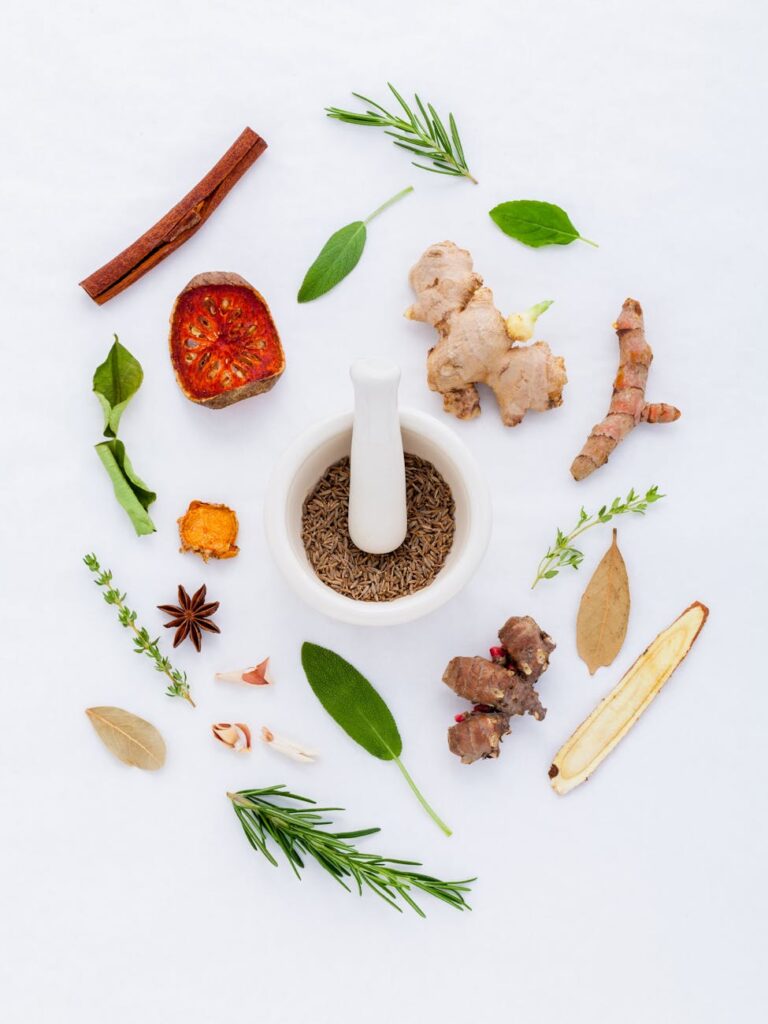
How to Store Basil
Introduction
Basil, a fragrant herb belonging to the mint family, is cherished for its aromatic leaves and versatile applications in culinary practices around the world. Its distinct flavor profile enhances a variety of dishes, making it a favorite among chefs and home cooks alike. However, preserving its freshness and flavor requires careful attention to storage methods. This article delves into the best practices for storing basil, ensuring that you can enjoy its vibrant taste and aroma for as long as possible.
What Are Uses?
The term “uses” refers to the various applications and functions of an ingredient—in this case, basil. Beyond its culinary applications, basil has a rich history tied to cultural traditions and various non-culinary uses. Understanding these uses not only enhances appreciation for the herb but also informs the best methods for its storage.
History and Origins
Basil (Ocimum basilicum) has a rich history that dates back thousands of years. Native to tropical regions of central Africa and Southeast Asia, it has spread throughout the world, becoming a staple in Mediterranean cuisine. Ancient civilizations revered basil, associating it with various myths and spiritual practices. In India, for instance, it is considered sacred and is often used in religious rituals.
The herb was introduced to Europe in the 16th century and quickly became a crucial element in Italian cooking, particularly in sauces, salads, and as a garnish. Today, basil is cultivated globally, with numerous varieties, each offering unique flavors and aromas that cater to diverse culinary traditions.
Production and Processing
Basil is primarily cultivated in warm climates, thriving in well-drained, nutrient-rich soil. Major producers include Italy, the United States, and Thailand, where specific varieties such as Genovese, Thai basil, and lemon basil are grown. The herb is typically harvested just before it flowers, which ensures maximum flavor concentration in the leaves.
Post-harvest processing involves washing, drying, and sometimes freezing the leaves to preserve their quality. Fresh basil is often sold in bunches, while dried basil is packaged for long-term storage. Understanding the production and processing methods can help consumers make informed choices when purchasing basil.
Quality and Grading
When evaluating basil, quality is paramount. Fresh basil should have vibrant green leaves, a strong aroma, and no signs of wilting or browning. The grading of basil typically depends on its appearance, aroma, and texture. High-quality basil will have a glossy sheen on the leaves and a robust scent indicative of its freshness.
Dried basil should be stored in airtight containers and kept away from light to retain its flavor and potency. Variations in quality can often be identified by aroma—fresh basil has a pungent, sweet scent, while dried versions may lose some of their intensity over time.
Buying Considerations
When purchasing basil, whether fresh or dried, several factors should be taken into account:
1. Freshness: Look for vibrant, undamaged leaves with a strong aroma. Avoid wilted or discolored bunches.
2. Variety: Different varieties of basil offer distinct flavors. Genovese basil is commonly used in Italian dishes, while Thai basil has a spicier, anise-like flavor suitable for Asian cuisine.
3. Source: Local farmers’ markets often provide the freshest options, but grocery stores may offer a wider variety of dried basil.
4. Organic vs. Conventional: Organic basil may have fewer pesticide residues and is often preferred for culinary uses.
5. Storage Options: Consider how you plan to store basil at home. Fresh basil needs different handling than dried basil.
Uses and Applications
Basil’s uses extend beyond its role as a culinary herb. In cooking, its aromatic leaves enhance a myriad of dishes, from classic Italian pesto to vibrant Thai curries. Beyond flavoring food, basil’s essential oils are utilized in aromatherapy, and the herb is also employed in traditional culinary practices across various cultures.
In addition to its culinary applications, basil can be used to infuse oils, create vinegars, and even flavor beverages. Its versatility makes it a valuable ingredient in both professional and home kitchens.
Storage and Shelf Life
Proper storage is crucial for maintaining the freshness and flavor of basil. The method chosen for storage will depend on whether the basil is fresh or dried.
Fresh Basil Storage
1. In Water: One of the best ways to store fresh basil is to treat it like a bouquet of flowers. Trim the stems and place the basil in a glass of water, ensuring that the stems are submerged. Cover the leaves loosely with a plastic bag and keep it at room temperature away from direct sunlight. This method can extend the herb’s life for about a week.
2. Refrigeration: If you prefer to refrigerate fresh basil, wrap the leaves in a damp paper towel and place them in a plastic bag. This method helps to maintain humidity while preventing excess moisture that can lead to rot. Fresh basil stored this way can last for about 5–7 days.
3. Freezing: For long-term storage, basil can be frozen. Remove the leaves from the stems, wash and dry them thoroughly, and then chop or leave them whole. Basil can be frozen in ice cube trays filled with water or oil. Once frozen, the cubes can be transferred to airtight containers for use in cooking.
Dried Basil Storage
Dried basil should be stored in a cool, dark place, ideally in an airtight container to protect it from moisture and light. When stored correctly, dried basil can maintain its flavor for up to three years, although it is best used within the first year for optimal taste.
Common Misconceptions
1. Basil Cannot Be Frozen: Many people believe that freezing basil will ruin its flavor. While fresh basil does change in texture when frozen, the flavor remains intact and can be extremely useful in cooking.
2. Dried Basil Is Just as Good as Fresh: While dried basil is convenient and has its uses, fresh basil provides a more potent aroma and flavor, making it preferable for many dishes.
3. Basil Should Always Be Refrigerated: While refrigeration can extend the life of basil, it can also diminish its flavor. The best method is to store it in water at room temperature.
Frequently Asked Questions
1. How long does fresh basil last in the refrigerator?
Fresh basil typically lasts about 5–7 days in the refrigerator when stored properly in a damp paper towel inside a plastic bag.
2. Can I use dried basil instead of fresh basil in recipes?
Yes, dried basil can be used in place of fresh basil, but the flavor will be less intense. A general rule is to use one-third the amount of dried basil as you would fresh.
3. What is the best way to freeze basil?
The best way to freeze basil is to wash and dry the leaves, chop them if desired, and then freeze them in ice cube trays filled with water or oil. Once frozen, transfer the cubes to an airtight container.
4. How do I know if dried basil has gone bad?
Dried basil does not spoil in the traditional sense but can lose potency over time. If the aroma is weak or stale, it is best to replace it.
5. Is it safe to use wilted basil?
While wilted basil may still be safe to consume, it typically loses flavor and texture. It is best to use fresh basil whenever possible for optimal taste.
6. Can I grow basil indoors?
Yes, basil can be successfully grown indoors. It requires plenty of sunlight, ideally around 6 hours per day, and should be watered regularly but not overwatered.
Conclusion
Storing basil properly is essential to maintaining its vibrant flavor and aroma, whether you are using it fresh or dried. By understanding the various storage methods and their respective benefits, you can ensure that this versatile herb remains a staple in your culinary endeavors. With proper care, basil can enhance your dishes and elevate your cooking experience for weeks or even months.