
How to Store Black Pepper
Introduction
Black pepper, often referred to as the “king of spices,” has been a staple in kitchens worldwide for centuries. Its robust flavor and aromatic qualities have made it indispensable in culinary practices across cultures. However, the nuances of storing black pepper are often overlooked, leading to diminished flavor and quality over time. This article will provide a comprehensive guide on how to store black pepper effectively, ensuring that its essential characteristics are preserved for maximum culinary enjoyment.
What Is Uses?
In the context of food ingredients, “uses” refers to the various applications and benefits of a particular ingredient in culinary practices and beyond. For black pepper, its uses extend far beyond mere seasoning; it plays crucial roles in flavor enhancement, food preservation, and even in certain cultural rituals. Understanding how to store black pepper properly is essential for maintaining its versatility in these various applications.
History and Origins
Black pepper (Piper nigrum) has a rich history that dates back over 4,000 years. Native to the Malabar Coast of India, it was once considered more valuable than gold and was a significant driver of trade routes, including the famous Spice Route. Ancient civilizations utilized black pepper not only for its culinary applications but also for its preservative qualities and medicinal properties. Its status as a luxury item made it a pivotal player in the development of global trade, influencing culinary traditions worldwide.
Production and Processing
The production of black pepper involves several stages, including cultivation, harvesting, and processing. Black pepper vines thrive in tropical climates, requiring specific conditions such as well-drained soil and adequate rainfall. The berries are harvested when they are still green and unripe, and then they undergo a fermentation and drying process that transforms them into the familiar black peppercorns.
The processing of black pepper significantly impacts its flavor profile and quality. After harvesting, the berries are boiled briefly to remove the outer skin and then dried in the sun or through mechanical means. This process not only enhances the flavor but also ensures the preservation of the peppercorns.
Quality and Grading
The quality of black pepper can vary significantly, influenced by factors such as the variety of the plant, the geographical region, and the processing methods employed. Black pepper is typically graded based on size, appearance, and aroma. Higher grades usually consist of larger, more aromatic peppercorns, while lower grades may contain smaller or broken pieces.
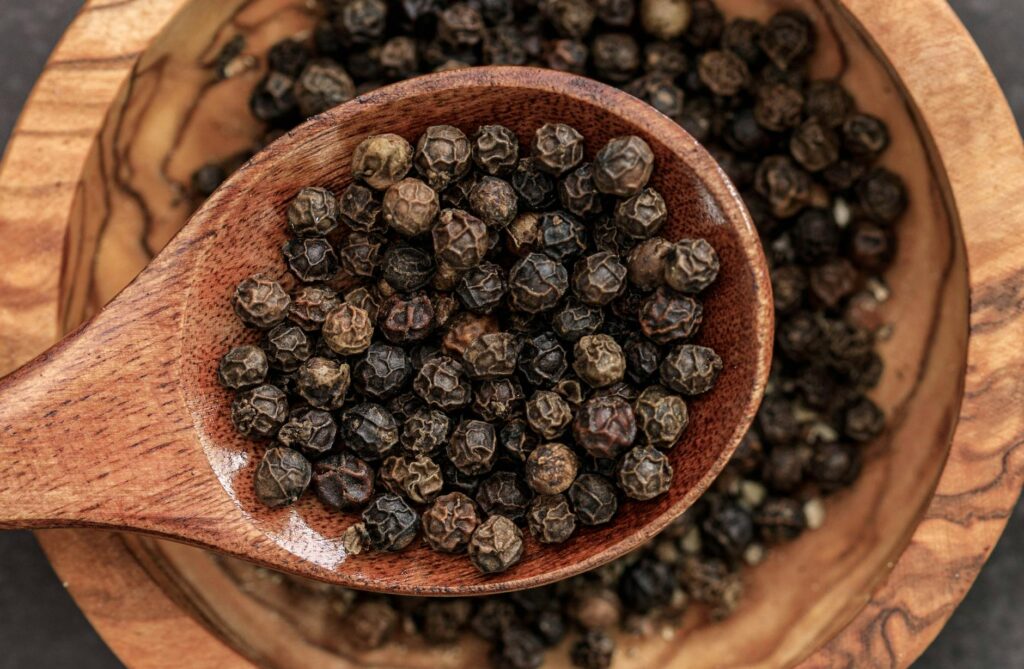
When purchasing black pepper, look for whole peppercorns that are uniform in size and possess a robust aroma. Freshness is a key indicator of quality; therefore, it is advisable to buy whole peppercorns rather than pre-ground pepper, as the latter tends to lose its flavor more rapidly.
Buying Considerations
When selecting black pepper, consider the following factors to ensure you are making an informed purchase:
1. Form: Whole peppercorns retain their flavor longer than ground pepper. If possible, choose whole peppercorns and invest in a good-quality grinder.
2. Origin: Different regions produce different flavor profiles. For example, Tellicherry peppercorns from India are known for their bold flavor, while Sarawak pepper from Malaysia offers a more mild profile.
3. Packaging: Opt for opaque or vacuum-sealed packaging to better protect the pepper from light and air, which can degrade its quality over time.
4. Freshness: Check the packaging date if available. Fresher pepper will provide a more intense flavor.
5. Storage Conditions: Ensure that the retailer stores black pepper in a cool, dry place. This can impact the quality of the product you purchase.
Uses and Applications
Black pepper’s versatility makes it a favored ingredient in culinary practices. Its primary use is as a seasoning agent, capable of enhancing a dish’s flavor profile. It pairs well with a wide range of ingredients, from meats and vegetables to sauces and marinades. Apart from its culinary applications, black pepper is also utilized in pickling and preserving foods due to its antimicrobial properties.
In addition to cooking, black pepper finds its way into spice blends, rubs, and even beverages. Its ability to enhance other flavors makes it an ideal companion to various herbs and spices, enriching the overall sensory experience of a dish.
Storage and Shelf Life
To maintain the quality and flavor of black pepper, proper storage is essential. Here are key guidelines for storing black pepper effectively:
Temperature and Environment
1. Cool, Dry Place: Store black pepper in a cool, dry location away from direct sunlight. Ideal temperatures range between 60°F to 75°F (15°C to 24°C).
2. Humidity Control: Excess moisture can lead to the growth of mold and affect the flavor. Keep black pepper in a dry environment to preserve its quality.
Containers
1. Airtight Containers: Use airtight containers made of glass, ceramic, or high-quality plastic. This prevents exposure to air, which can lead to oxidation and flavor loss.
2. Opaque Containers: Light can degrade the quality of black pepper over time. Use opaque containers to shield the pepper from light exposure.
Whole vs. Ground
1. Whole Peppercorns: Whole peppercorns have a longer shelf life, typically lasting up to three years when stored properly.
2. Ground Pepper: Ground black pepper has a significantly shorter shelf life, usually around six months to a year. For optimal flavor, it is best to grind only what you need while cooking.
Labeling and Rotation
1. Labeling: Clearly label your containers with the purchase date to keep track of freshness.
2. Rotation: Practice the “first in, first out” method; use older pepper before newer stock to ensure the best flavor.
Common Misconceptions
Several misconceptions surround the storage of black pepper, leading to ineffective practices:
1. Myth: Black Pepper Doesn’t Expire: While black pepper does not spoil in the traditional sense, its flavor diminishes over time. Proper storage can extend its usability but cannot prevent the loss of quality indefinitely.
2. Myth: Ground Pepper is Just as Good as Whole: Ground pepper loses its flavor more quickly than whole peppercorns due to increased surface area exposure to air. Whole peppercorns are recommended for optimal flavor retention.
3. Myth: Refrigerating Black Pepper is Beneficial: Refrigeration can introduce moisture into the container, leading to spoilage. It’s best to store black pepper at room temperature in a dry place.
Frequently Asked Questions
1. How long does black pepper last when stored properly?
When stored correctly in a cool, dry place in an airtight container, whole black peppercorns can last up to three years, while ground black pepper typically lasts around six months to a year.
2. Is it better to buy whole peppercorns or ground pepper?
Whole peppercorns are preferable as they retain their flavor longer than ground pepper. Grinding pepper as needed will provide the freshest taste.
3. Can I store black pepper in the refrigerator?
It is not recommended to store black pepper in the refrigerator due to the potential introduction of moisture. A cool, dry cupboard is the best option.
4. Does black pepper lose its flavor over time?
Yes, black pepper can lose its flavor over time, especially if not stored properly. Whole peppercorns retain their flavor longer than ground pepper.
5. What is the best way to grind black pepper?
Using a manual or electric pepper mill allows you to control the coarseness of the grind. Grinding just before use ensures maximum flavor.
6. Can black pepper be used for pickling?
Yes, black pepper is commonly used in pickling recipes due to its flavor and preservative qualities, making it an excellent addition to pickling brines.
In conclusion, proper storage of black pepper is crucial for maintaining its flavor and quality. By following the guidelines outlined in this article, you can enjoy the full spectrum of flavors that this esteemed spice has to offer, enriching your culinary experiences for years to come.