
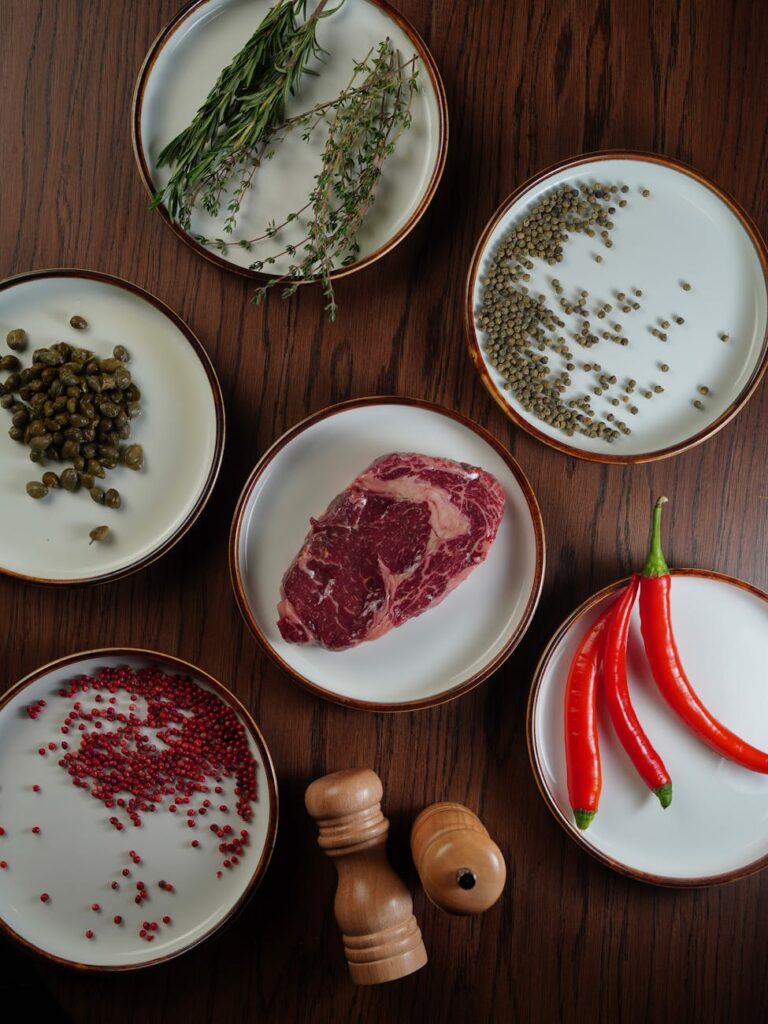
How to Store Capers
Introduction
Capers are small, edible flower buds commonly used in Mediterranean cuisine. Their tangy and briny flavor enhances a variety of dishes, from pasta to salads, providing a unique taste that is both savory and piquant. While capers are often enjoyed fresh, their preservation and storage play a crucial role in maintaining their quality and flavor. This article will delve into the various aspects of capers, focusing on how to store them effectively to ensure longevity and flavor integrity.
What Are Capers?
Capers are the unopened buds of the Capparis spinosa plant, also known as the caper bush. Typically pickled in brine or vinegar, they are harvested before blooming and are valued for their distinctive flavor profile. Capers can vary in size, from tiny nonpareil capers to larger varieties. Their unique taste is derived from the pickling process, which imbues them with a salty, tangy essence.
History and Origins
The use of capers dates back thousands of years, with historical references found in ancient Greek and Roman texts. They were cultivated in the Mediterranean region and were highly prized for their culinary applications and medicinal properties. Capers have long been associated with Mediterranean cuisine, featuring prominently in dishes from Italy, Greece, and North Africa. The popularity of capers has since spread worldwide, becoming a staple ingredient in various global cuisines.
Production and Processing
The production of capers involves a meticulous process. Once harvested, the buds are cleaned and sorted based on size. The most common processing method involves pickling in a saltwater brine or vinegar, which not only preserves the capers but also enhances their flavor. This pickling process can vary, leading to different flavor profiles and textures.
Most commercial capers are sold in jars, often submerged in brine or vinegar, which helps to maintain their flavor and texture. Some gourmet varieties may be preserved in oil, imparting an additional layer of richness. Understanding the production method can influence the choice of capers for specific culinary applications.
Quality and Grading
Capers are graded based on size, color, and flavor intensity. Nonpareil capers, the smallest variety, are considered the highest quality due to their delicate flavor and tender texture. Other grades include capotes (medium-sized) and grusas (larger). The quality can also be influenced by the pickling process, with those preserved in vinegar generally offering a sharper flavor compared to those in brine.
When selecting capers, look for jars that display clear liquid without cloudiness, as this indicates freshness. The color should be vibrant, and the capers should be plump and firm, devoid of any signs of spoilage or discoloration.
Buying Considerations
When purchasing capers, consider the following:
1. Type: Decide whether you want capers in brine, vinegar, or oil. Each type offers a different flavor experience.
2. Size: Choose based on the recipe or personal preference. Smaller capers are typically more flavorful and tender.
3. Brand: Opt for reputable brands known for high-quality production methods.
4. Ingredients: Check for any preservatives or additives; pure products often yield better flavor.
5. Packaging: Ensure the jar is sealed properly and free from dents or damage.
Uses and Applications
Capers are incredibly versatile and can be used in various culinary applications. Their briny flavor complements both rich and light dishes, making them a popular ingredient in:
- Sauces: Capers are often included in sauces like tartar sauce and puttanesca, adding depth and complexity.
- Salads: They serve as a flavorful garnish in salads, enhancing freshness and vibrant taste.
- Meats and Fish: Capers pair exceptionally well with chicken, fish, and meats, elevating the overall flavor profile.
- Pasta Dishes: Their inclusion in pasta dishes infuses a salty, tangy essence, balancing rich sauces.
- Bruschetta and Tapenade: Capers can be blended into spreads and dips, offering an enticing flavor for appetizers.
Storage and Shelf Life
Proper storage is essential to maintain the quality of capers. Follow these guidelines to ensure their longevity:
1. Unopened Jars: Store in a cool, dark place, such as a pantry. Unopened capers can last for years if kept in optimal conditions.
2. Opened Jars: Once opened, capers should be refrigerated to extend their shelf life. Ensure they are submerged in their brine or vinegar, as this preserves their flavor and texture.
3. Container: Always use a clean utensil when removing capers from the jar to avoid contamination. Reseal the jar tightly after each use.
4. Shelf Life: Once opened, capers can last for 1–2 months in the refrigerator. Always check for signs of spoilage, such as off-odors or changes in texture.
5. Freezing: While not common, you can freeze capers. Spread them on a baking sheet and freeze individually before transferring to an airtight container. They can be added directly to dishes from the freezer.
Common Misconceptions
1. Capers Are Always Large:
Many people assume capers are always large, but they come in various sizes, each offering a different taste and texture.
2. Capers Are a Vegetable:
Capers are often mistaken for a vegetable. In reality, they are flower buds and are classified as a condiment.
3. Capers Need Cooking:
Capers can be added to dishes without cooking. They can be used fresh in salads or as a garnish, where their flavor can shine.