
How to Store Celeriac
Introduction
Celeriac, also known as celery root, is a unique and versatile vegetable that belongs to the Apiaceae family. While it may not be as widely recognized as its leafy counterpart, celeriac has gained popularity in various culinary applications due to its distinct flavor and texture. To fully enjoy celeriac’s benefits, understanding how to store it properly is essential. This article provides an in-depth exploration of celeriac, its history, production, quality considerations, and, most importantly, how to store it effectively to maximize its shelf life and culinary potential.
What Is Celeriac?
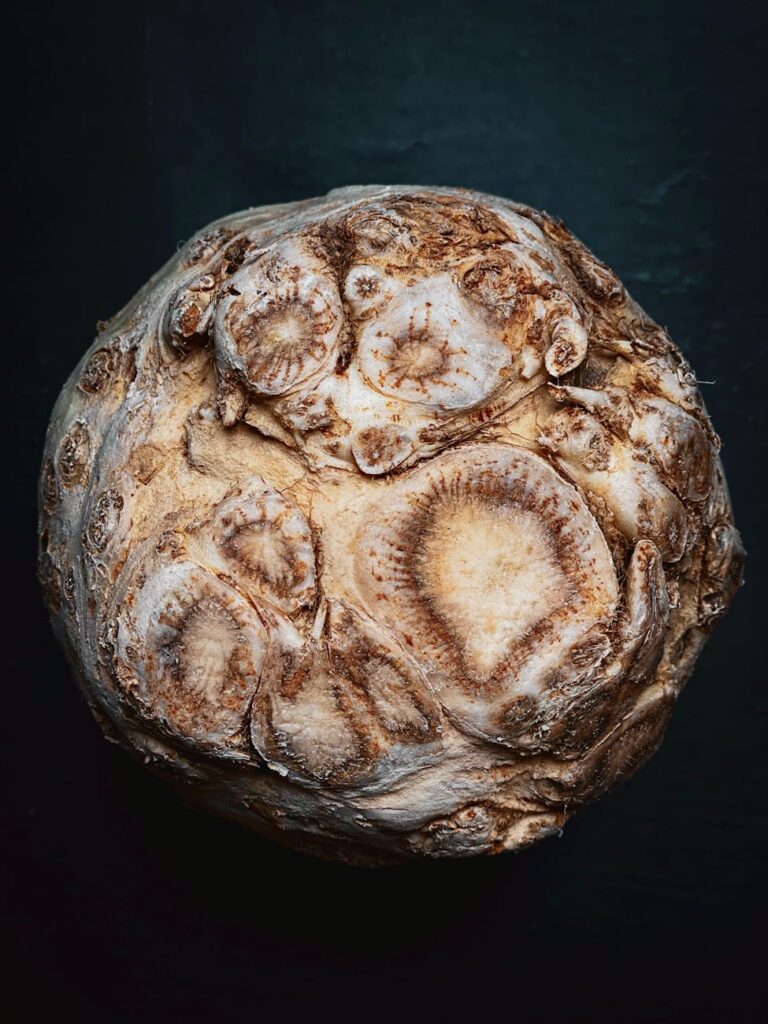
Celeriac (Apium graveolens var. rapaceum) is a root vegetable prized for its nutty flavor and crisp texture. Unlike traditional celery, which is cultivated for its stalks, celeriac is grown specifically for its large, bulbous root. The outer skin is rough and knobby, while the flesh inside is white and firm. Celeriac can be enjoyed raw, cooked, or puréed, making it a versatile choice for various dishes.
History and Origins
Celeriac’s origins can be traced back to the Mediterranean region, where wild celery grew naturally. Its domestication began in the 17th century, primarily in Europe, as people sought to cultivate the root for consumption. Initially, celeriac was used as a medicinal herb, but its culinary potential soon became evident. The vegetable gained prominence in French cuisine, where it was often featured in soups and salads. Today, celeriac is cultivated worldwide, particularly in Europe and North America, where it has become a staple in many kitchens.
Production and Processing
Celeriac thrives in temperate climates and is typically planted in the spring. The growing season lasts around 120 to 150 days, depending on the variety and climate conditions. Farmers usually start celeriac from seeds, which are sown indoors before being transplanted into the field. The roots develop underground, and once they reach a desirable size, they are harvested in the fall.
Following harvest, celeriac undergoes minimal processing. It is typically cleaned, trimmed, and packaged for distribution. The vegetable is sensitive to bruising and spoilage, so careful handling during harvesting and transportation is crucial to maintaining its quality.
Quality and Grading
When evaluating celeriac, several factors determine its quality and grading. The roots should be firm, heavy for their size, and free from blemishes or soft spots. The skin may be rough and knobby, but this is characteristic of the vegetable and should not necessarily indicate poor quality. A vibrant, healthy root will possess a fresh, earthy aroma, which is a sign of its freshness.
Grading systems may vary by region, but generally, celeriac is classified into different grades based on size, appearance, and overall quality. Higher-grade celeriac typically commands a higher price in the market, making it essential for consumers to recognize quality indicators when purchasing.
Buying Considerations
When buying celeriac, several considerations can help ensure you select the best possible product. Look for roots that are heavy for their size, as this indicates a higher water content and better freshness. The skin should appear unblemished, and avoid any roots with soft spots or signs of decay. Fresh celeriac typically has a crisp texture and a pleasant aroma.
Consider purchasing celeriac from reputable suppliers or farmers’ markets, as this can often guarantee better quality. In the grocery store, celeriac is commonly found in the produce section, often near other root vegetables. Seasonal availability is also worth noting; celeriac is typically harvested in the fall and can be found fresh in markets from late summer through early spring.
Uses and Applications
Celeriac is exceptionally versatile and can be used in various culinary applications. Its unique flavor profile lends itself well to soups, stews, and purees. Additionally, it can be shredded raw and added to salads, providing a crunchy texture and a subtle earthiness. Celeriac can also be roasted, mashed, or incorporated into gratins, making it a suitable alternative to potatoes.
Beyond traditional uses, celeriac is increasingly being explored in modern gastronomy. Chefs often use it to create innovative dishes, such as celeriac steaks or as a base for sauces. Its adaptability allows it to shine in both rustic and upscale dining environments.
Storage and Shelf Life
Proper storage of celeriac is essential to maintain its freshness and extend its shelf life. Follow these guidelines to ensure optimal storage:
Ideal Storage Conditions
- Temperature: Celeriac should be stored in a cool, dark place, ideally at temperatures between 32°F and 40°F (0°C to 4°C). Refrigeration is the best option for maintaining freshness.
- Humidity: The vegetable prefers a humid environment. Wrapping it in a damp cloth or paper towel can help maintain moisture levels and prevent it from drying out.
Storage Methods
1. Refrigeration: The most effective way to store celeriac is in the refrigerator. Place the unpeeled root in a perforated plastic bag or wrap it in a damp cloth. This method helps retain moisture while allowing for proper airflow.
2. Root Cellar: If you have a root cellar or a cool, dark place in your home, celeriac can be stored in a box or crate with sand or sawdust to keep it moist. This method is suitable for longer-term storage.
3. Freezing: While celeriac can be frozen, it is typically recommended to blanch it first to preserve flavor and texture. Cut the root into desired shapes, blanch in boiling water for a couple of minutes, then cool in ice water before packing into airtight containers for freezing.
Shelf Life
When stored correctly, celeriac can