
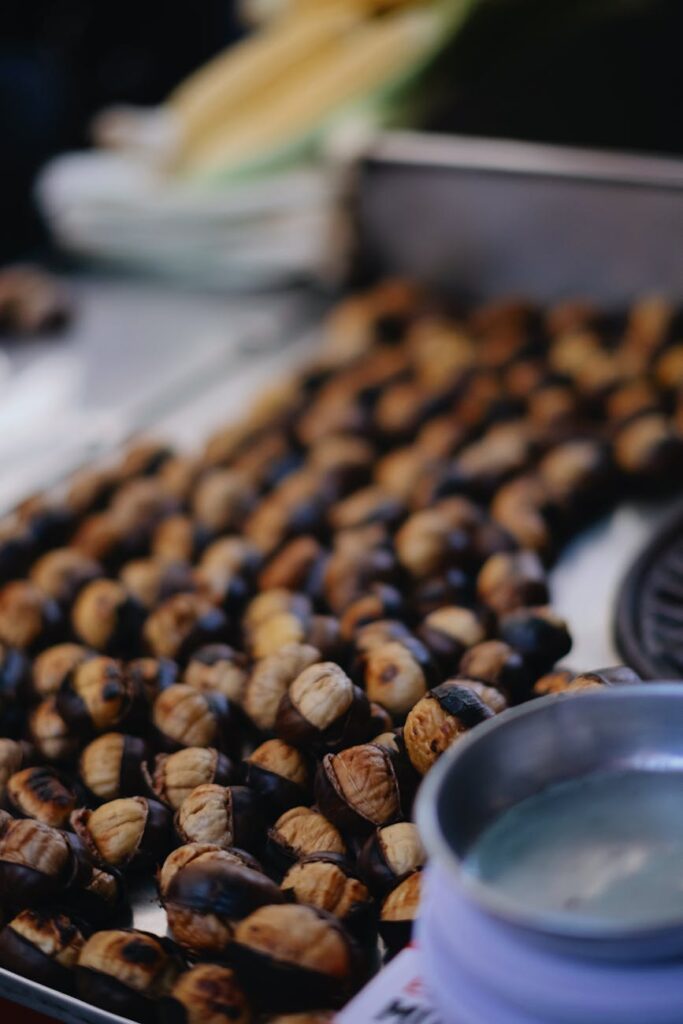
How to Store Chestnut Puree
Introduction
Chestnut puree, a versatile and rich ingredient, is celebrated in various culinary traditions worldwide. Known for its smooth texture and subtly sweet flavor, it offers a unique alternative to other purees like pumpkin or apple. While it is often associated with fall and winter menus, its uses can extend throughout the year. Understanding how to store chestnut puree effectively is crucial to maintaining its quality and flavor, ensuring it can be enjoyed in a variety of dishes.
What Is Chestnut Puree?
Chestnut puree is a smooth, creamy paste made from roasted or boiled chestnuts. It is often sweetened and flavored, but can also be found in its natural form without additives. This ingredient is popular in desserts, sauces, and as a filling for pastries. Its distinct flavor profile allows it to complement both sweet and savory dishes, making it a favorite among chefs and home cooks alike.
History and Origins
The history of chestnuts dates back thousands of years, with evidence of their consumption found in ancient civilizations. Native to the Mediterranean region and parts of Asia, chestnuts were a staple food source before the introduction of more calorie-dense crops like wheat and corn. The tradition of creating chestnut puree particularly flourished in French cuisine, where it became a sought-after ingredient in both confections and savory dishes. Over the years, chestnut puree has gained international recognition and is now used in various culinary traditions, from Italian to Japanese.
Production and Processing
The production of chestnut puree involves several steps. Initially, chestnuts are harvested, then boiled or roasted until tender. After cooking, the outer shells and inner skins are removed, leaving the soft flesh. This flesh is then blended until smooth, often with additional ingredients such as sugar, vanilla, or cream, depending on the intended use. The puree can be packaged for commercial sale or prepared in smaller batches for home use.
Commercially produced chestnut puree often undergoes pasteurization to extend its shelf life. It is crucial to ensure that the puree retains its flavor and nutritional properties throughout the production process.
Quality and Grading
When it comes to chestnut puree, quality can vary significantly based on factors such as the type of chestnuts used, production methods, and any additional ingredients. High-quality chestnut puree should have a smooth consistency with a rich, nutty flavor. It should not contain artificial preservatives or excessive sweeteners, which can mask the natural taste of chestnuts.
Grading can be subjective and often depends on regional standards. Generally, premium purees are made from high-quality, carefully selected chestnuts that are processed with minimal additives. Consumers should look for chestnut puree that lists chestnuts as the primary ingredient, ideally sourced from reputable producers.
Buying Considerations
When purchasing chestnut puree, it is important to consider several factors:
1. Ingredients: Check the label for additives. Pure varieties with minimal ingredients often deliver the best flavor.
2. Packaging: Look for products in vacuum-sealed or glass jars, as these methods help preserve freshness.
3. Source: Buy from reputable brands or local producers who prioritize quality and sustainability.
4. Allergens: Be aware of potential allergens, particularly if the puree is produced in facilities that handle nuts or gluten.
5. Serving Size: Consider the quantity you need for your culinary projects; purchasing in bulk may offer cost savings but ensure you can store it properly.
Uses and Applications
Chestnut puree is an incredibly versatile ingredient that can be used in both sweet and savory dishes. Here are some common applications:
- Desserts: Popular in pastries, cakes, and tarts, chestnut puree can be used as a filling or frosting. Its creamy texture makes it an excellent base for mousses or cream puffs.
- Savory Dishes: It can be incorporated into sauces, soups, or as a base for risottos, adding depth and richness to the dish.
- Spreads: Mixed with sweeteners or spices, chestnut puree can serve as a delicious spread for bread or crackers.
- Baby Food: Its smooth consistency and natural sweetness make it a suitable option for homemade baby food.
- Homemade Puree: Generally lasts about 3 to 5 days in the refrigerator and up to 6 months in the freezer.
- Commercial Puree: Unopened jars can last up to a year or more when stored in a cool, dry place. Once opened, it should be refrigerated and consumed within 5 to 7 days.
Chestnut puree is also used in various cultural dishes, showcasing its adaptability across cuisines.
Storage and Shelf Life
Storage Guidelines
Proper storage of chestnut puree is crucial for maintaining its quality. Here are some guidelines:
1. Refrigeration: Once opened, chestnut puree should be stored in the refrigerator. It is best kept in an airtight container to prevent exposure to air, which can lead to oxidation and spoilage.
2. Freezing: For longer storage, chestnut puree can be frozen. Portioning it into smaller containers or ice cube trays allows for easy thawing. When freezing, ensure that there is some space in the container for expansion.
3. Avoid Contamination: Always use clean utensils when scooping out the puree to prevent introducing bacteria.
4. Check Expiration Dates: If purchasing commercially prepared puree, pay attention to the expiration or best-by dates to ensure optimal freshness.
Shelf Life
The shelf life of chestnut puree varies based on whether it is homemade or commercially produced:
Signs of Spoilage
Always inspect chestnut puree before use. Signs of spoilage include an off smell, discoloration, or visible mold. If any of these signs are present, discard the puree.
Common Misconceptions
1. Chest