
How to Store Chia Seeds
Introduction
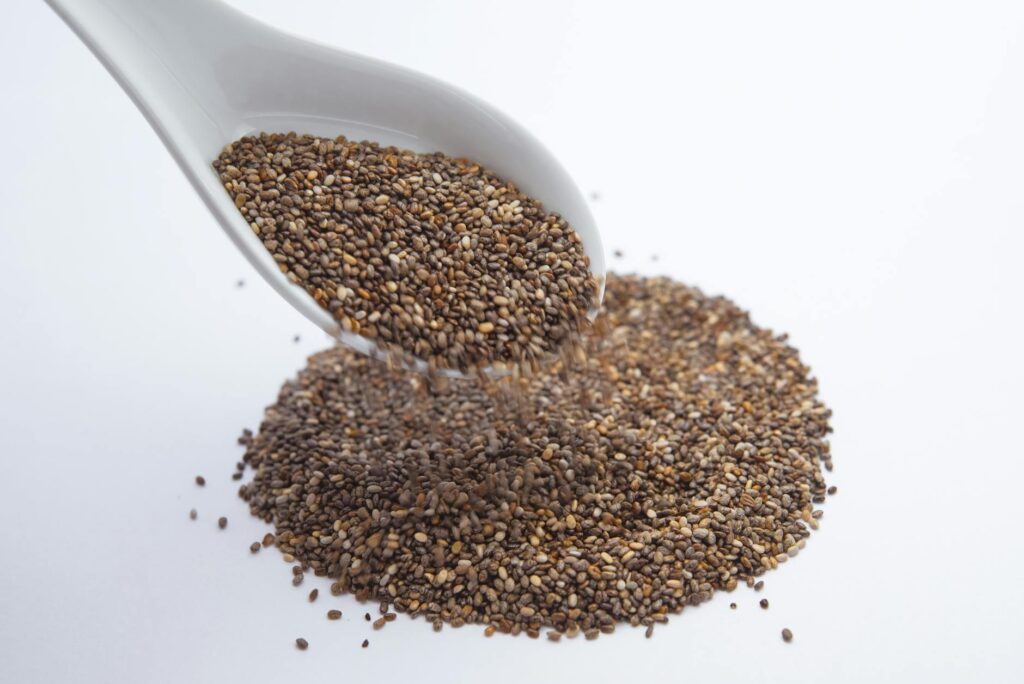
Chia seeds, the tiny black or white seeds from the Salvia hispanica plant, have gained significant popularity in recent years, primarily for their nutritional benefits. Often hailed as a superfood, they are packed with omega-3 fatty acids, fiber, protein, and various micronutrients. However, like many food ingredients, the way chia seeds are stored can greatly affect their quality, freshness, and usability. This article explores the best practices for storing chia seeds, ensuring you can enjoy their benefits for an extended period.
What Are Uses?
In the context of food ingredients, “uses” refers to the various applications and benefits that an ingredient can provide in culinary practices and beyond. For chia seeds, their uses span across diverse cuisines, nutritional applications, and even non-culinary domains such as gardening and cosmetics. Understanding how to store chia seeds properly enhances their usability and longevity, allowing consumers to maximize their diverse applications.
History and Origins
Chia seeds have a rich history that dates back to ancient Mesoamerica, where they were a staple food for the Aztecs and Mayans. They were revered not only for their nutritional properties but also for their energy-boosting capabilities. The word “chia” comes from the Mayan word for “strength.” Chia seeds were often consumed by warriors and travelers, providing them with sustenance during long journeys.
In modern times, chia seeds have made a resurgence due to the growing interest in health and wellness. They are now cultivated primarily in countries like Mexico, Bolivia, and Ecuador, and have become a popular ingredient in various health food products and diets around the world.
Production and Processing
Chia seeds are harvested from the flowering plant Salvia hispanica. The seeds are small, oval, and come in various colors, including black, white, and brown. After harvesting, they undergo a minimal processing procedure, which includes cleaning and drying. This careful handling helps preserve their nutritional integrity and shelf life.
The production process is relatively environmentally friendly, as chia plants require less water than many other crops. They can thrive in a variety of soil conditions, making them an accessible option for farmers in arid regions.
Quality and Grading
The quality of chia seeds can vary significantly based on factors such as origin, processing methods, and storage conditions. When grading chia seeds, several criteria are considered:
1. Color: High-quality chia seeds are typically uniformly colored, whether black or white. Variations may indicate impurities or poor processing.
2. Size: Premium seeds are generally consistent in size, which can affect hydration and cooking times.
3. Odor: Fresh chia seeds have a neutral scent. Any rancid or off-putting odors can indicate spoilage.
4. Moisture Content: Ideally, chia seeds should have low moisture content to prevent mold growth and prolong shelf life.
5. Contaminants: The absence of foreign materials or impurities is critical for quality grading.
Buying Considerations
When purchasing chia seeds, consider the following factors to ensure you are getting a high-quality product:
1. Source: Opt for seeds from reputable suppliers known for their quality control. Organic certifications can also signal better cultivation practices.
2. Packaging: Look for chia seeds that are vacuum-sealed or stored in opaque containers to protect them from light and air, both of which can accelerate spoilage.
3. Bulk vs. Pre-packaged: Bulk chia seeds may offer cost savings but ensure that they are stored in optimal conditions. Pre-packaged seeds often come with clear expiration dates.
4. Storage Recommendations: Pay attention to any storage recommendations provided by the seller, as they can influence the seeds’ longevity.
5. Cost: While price is a consideration, extremely low-cost options may indicate lower quality. Balance cost with quality to make the best choice.
Uses and Applications
Chia seeds are incredibly versatile and can be used in a variety of culinary applications. They can be consumed raw, soaked in liquid, or ground into a powder. Here are some common uses:
- Thickening Agent: When mixed with liquid, chia seeds expand and form a gel-like consistency, making them ideal for smoothies, puddings, and sauces.
- Baking: Chia seeds can be incorporated into bread, muffins, and other baked goods to enhance texture and nutritional value.
- Toppings: They can serve as a nutritious topping for yogurt, oatmeal, and salads.
- Energy Snacks: Blended into energy bars or protein shakes, chia seeds provide a boost of energy.
- Non-Culinary Uses: Their hydrophilic nature allows chia seeds to be utilized in gardening as a natural seed starter, and they are also used in some cosmetic formulations for their moisturizing properties.
- Glass Jars: Airtight glass jars are excellent for long-term storage, as they prevent air and moisture from entering.
- Plastic Containers: High-quality, food-grade plastic containers can also work, but ensure they are airtight.
- Vacuum-Sealed Bags: For short-term storage, vacuum-sealed bags can effectively keep chia seeds fresh.
- Chia Seeds Must Be Ground: While grinding chia seeds can enhance nutrient absorption, they can still provide benefits when consumed whole. Soaking them before consumption is often sufficient.
- Chia Seeds Are High in Calories: While chia seeds do contain calories, they are nutrient-dense and can be a beneficial addition to a balanced diet.
- Chia Seeds Can Replace Whole Grains: Chia seeds can complement a diet rich in whole grains but should not be viewed as a complete substitute for staple grains.
Storage and Shelf Life
Proper storage of chia seeds is crucial to maintaining their quality. Here are some guidelines:
Ideal Storage Conditions
1. Temperature: Store chia seeds in a cool, dry place. Ideal temperatures range from 50°F to 70°F (10°C to 21°C). Avoid exposure to heat sources such as stoves or direct sunlight.
2. Humidity: Chia seeds should be kept in a dry environment to prevent moisture accumulation, which can lead to mold growth.
3. Light: Light exposure can degrade the quality of chia seeds. Use opaque containers or store them in a dark cabinet to minimize light exposure.
Containers
Shelf Life
When stored correctly, chia seeds can last for up to two years. However, always check for freshness before use. Signs of spoilage include an off smell or unusual texture.
Common Misconceptions
Frequently Asked Questions
1. How long do chia seeds last?
When stored in optimal conditions, chia seeds can last for up to two years, but it’s best to check for freshness regularly.
2. Should chia seeds be refrigerated?
Refrigeration is not necessary for chia seeds if they are stored in a cool, dry place. However, refrigeration can extend their shelf life, especially in warm climates.
3. Can I freeze chia seeds?
Yes, chia seeds can be frozen to extend their shelf life. Just ensure they are stored in an airtight container to prevent moisture.
4. How do I know if my chia seeds are bad?
Signs of spoilage include a rancid odor, off-taste, or visible mold. If you notice any of these signs, it’s best to discard the seeds.
5. Can I store chia seeds in a plastic bag?
While a plastic bag can be used for short-term storage, it’s advisable to use an airtight container for long-term storage to prevent exposure to air and moisture.
6. Are chia seeds worth the investment?
Given their nutritional benefits and versatility in cooking, chia seeds are generally considered a worthwhile investment for those looking to enhance their diet.
Conclusion
Storing chia seeds correctly is essential for maximizing their shelf life and ensuring their nutritional benefits remain intact. By understanding the ideal storage conditions, quality indicators, and common misconceptions, consumers can enjoy this versatile ingredient in various applications. With the right practices in place, chia seeds can be a lasting addition to your pantry, ready to enhance your culinary adventures and nutritional intake.