
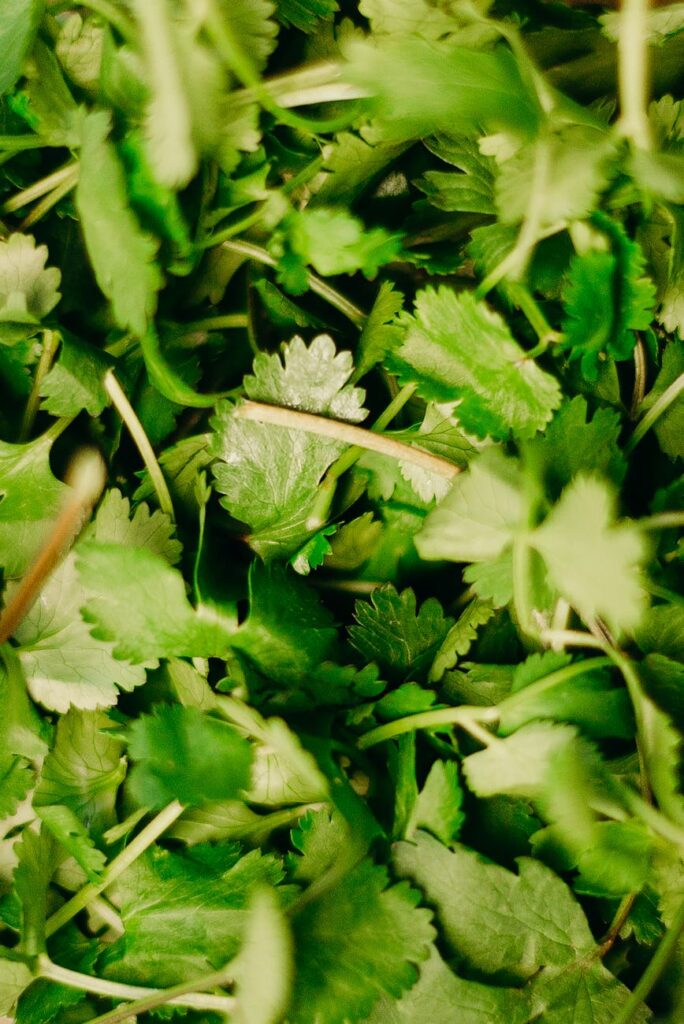
How to Store Cilantro
Introduction
Cilantro, also known as coriander in many regions, is a vibrant herb cherished for its unique flavor and aroma. Widely used in various cuisines around the globe, cilantro adds a refreshing zest to dishes, from salsas to soups. However, to fully appreciate its culinary potential, proper storage techniques are essential. This article delves into the best methods for storing cilantro, ensuring that this aromatic herb retains its freshness and flavor for as long as possible.
What Is Cilantro?
Cilantro, scientifically known as Coriandrum sativum, is an annual herb belonging to the Apiaceae family. The leaves and stems are commonly referred to as cilantro, while the seeds are called coriander. Cilantro is characterized by its delicate, feathery leaves and a pungent aroma that some find polarizing. It is widely utilized in cuisines such as Mexican, Indian, Middle Eastern, and Southeast Asian, often imparting a fresh, herbal note to dishes.
History and Origins
Cilantro has a rich history that dates back thousands of years. It is believed to have originated in the Mediterranean region and has been used since ancient times. Historical records suggest that cilantro was cultivated in Ancient Egypt, where it was used for both culinary and medicinal purposes. The herb spread throughout Europe and Asia, eventually making its way to the Americas with early European explorers. Today, cilantro is cultivated in many parts of the world, reflecting its versatility and enduring popularity.
Production and Processing
The cultivation of cilantro requires a temperate climate and well-drained soil. It thrives in conditions where it receives ample sunlight but can also tolerate partial shade. The herb is generally sown directly into the ground, as it does not transplant well due to its delicate root system. Harvesting typically occurs when the leaves are young and tender, as older leaves can become bitter.
After harvesting, cilantro is often washed to remove any soil or impurities before being packaged for sale. Commercial processing may involve refrigeration to maintain freshness during transport. Proper handling during production is crucial to preserve the herb’s vibrant color and aroma.
Quality and Grading
When purchasing cilantro, quality is paramount. High-quality cilantro should exhibit bright green leaves, a fresh aroma, and no signs of wilting or browning. Grading typically involves assessing the herb’s freshness, size, and overall appearance. Organic cilantro is often sought after for its superior flavor and absence of synthetic pesticides.
It’s advisable to choose cilantro that has been stored in a temperature-controlled environment, as this significantly influences its quality. Farmers’ markets and specialty grocery stores often provide fresher options compared to mass-market retailers.
Buying Considerations
When buying cilantro, consider the following factors to ensure optimal freshness:
1. Appearance: Look for vibrant green leaves without blemishes or discoloration. The stems should be firm and crisp.
2. Aroma: Fresh cilantro should have a strong, pleasant aroma. A faint or off odor may indicate that the herb is past its prime.
3. Packaging: If purchasing pre-packaged cilantro, check for the packaging date. Fresher products have a longer shelf life.
4. Source: Local or organic sources are often more reliable for quality and flavor. Supporting local farmers can also contribute to sustainable practices.
5. Seasonality: Cilantro grows best during the cooler months. Purchasing it in season may enhance flavor and freshness.
Uses and Applications
Cilantro is an incredibly versatile herb used in a multitude of culinary applications:
- Garnishing: Cilantro can be used as a garnish for soups, stews, and salads, providing a pop of color and flavor.
- Salsas and Sauces: It is a key ingredient in fresh salsa, chutneys, and various sauces, enhancing the overall taste profile.
- Marinades: Cilantro adds depth to marinades, especially for meats such as chicken, fish, and pork.
- Soups and Stews: Incorporating cilantro during the cooking process can infuse dishes with its distinctive flavor.
- Salads: Fresh cilantro can elevate salad dishes, often paired with citrus or other fresh ingredients.
- Preparation: Trim the stems slightly, removing any wilted leaves.
- Water Jar: Fill a cup or jar with water and place the cilantro stems in the water, ensuring that the bottoms are submerged.
- Cover: Loosely cover the leaves with a plastic bag or a produce bag to retain moisture without suffocating the herb.
- Refrigeration: Store the jar upright in the refrigerator. This method can keep cilantro fresh for up to two weeks.
- Preparation: Rinse and pat dry the cilantro gently.
- Wrap: Place the cilantro in a damp paper towel, ensuring it is not overly wet.
- Storage: Place the wrapped cilantro in a resealable plastic bag, removing as much air as possible. Store in the refrigerator. This method can last for about a week.
- Preparation: Wash and dry the cilantro thoroughly.
- Chop: Chop the leaves and stems, or leave them whole depending on your preference.
- Freezing: Place the cilantro in an airtight container or a freezer bag, excluding as much air as possible. Alternatively, you can freeze cilantro in ice cube trays with water or oil, which allows for easy portioning later.
- Shelf Life: Frozen cilantro can last for several months, although its texture may change when thawed.
- Preparation: Rinse and dry the leaves completely.
- Drying Method: Use a dehydrator or hang the cilantro upside down in a cool, dark place with good air circulation. Once dried, store in an airtight container.
- Shelf Life: Dried cilantro can last for up to a year but may lose some of its aromatic properties.
Storage and Shelf Life
Proper storage of cilantro is essential to prolong its freshness and flavor. Here are effective methods for storing cilantro:
1. Refrigeration in Water
One of the most effective ways to store fresh cilantro is to treat it like a bouquet:
2. Damp Paper Towel Method
For short-term storage:
3. Freezing
If you want to preserve cilantro for a longer period, freezing is an excellent option:
4. Drying
While drying cilantro is not as common as other herbs, it can still be done:
Common Misconceptions
1. Cilantro and Coriander Are the Same: While cilantro refers to the leaves, coriander refers to the seeds of the same plant. Both parts have different flavors and uses in cooking.
2. Cilantro is Only for Certain Cuisines: While cilantro is prevalent in Mexican and Indian cuisines, it can complement a wide range of dishes, including Mediterranean and Asian flavors.
3. Cilantro Has No Nutritional Value: Cilantro is not only flavorful but also contains vitamins A, C, and K, along with essential minerals and antioxidants.
4. Cilantro is Only Used Fresh: While fresh cilantro is preferred, dried cilantro can also be used, albeit with a different flavor profile.
Frequently Asked Questions
1. How long does fresh cilantro last in the refrigerator?
Fresh cilantro can last about one to two weeks in the refrigerator when stored properly in water or wrapped in a damp paper towel.
2. Can I freeze cilantro without blanching it first?
Yes, you can freeze cilantro without blanching. However, blanching may help retain its color and flavor.
3. Is it safe to eat yellowed cilantro leaves?
Yellowed leaves may indicate that the cilantro is past its prime and may have a bitter taste. It is best to discard any discolored leaves.
4. What’s the best way to wash cilantro?
Rinse cilantro under cool running water to remove any dirt or pesticides. Gently pat dry with a clean towel or use a salad spinner to remove excess moisture.
5. Can I grow cilantro at home?
Yes, cilantro can be grown easily at home in pots or garden beds. It prefers well-drained soil and should be watered regularly.
6. How can I revive wilted cilantro?
To revive wilted cilantro, place the stems in a glass of water and cover the leaves loosely with a plastic bag. Let it sit in the refrigerator for a few hours, and it should perk up.
Conclusion
Proper storage of cilantro is crucial for maximizing its shelf life and flavor. By employing the right techniques, whether it’s refrigeration, freezing, or drying, you can enjoy this aromatic herb in your dishes for longer. With its rich history, diverse applications, and unique flavor, cilantro remains a beloved ingredient in kitchens worldwide. By understanding how to store cilantro effectively, you can ensure that this versatile herb continues to enhance your culinary creations.