
How to Store Coconut Sugar
Introduction
Coconut sugar, derived from the sap of the coconut palm tree, is a popular natural sweetener that has gained traction for its low glycemic index and unique flavor profile. While its health benefits and versatility in culinary applications are often highlighted, the importance of proper storage to maintain its quality and usability is equally crucial. This article will delve into the specifics of coconut sugar, including its origins, production, and the best practices for storage to ensure its longevity and optimal performance in your kitchen.
What Is Coconut Sugar?
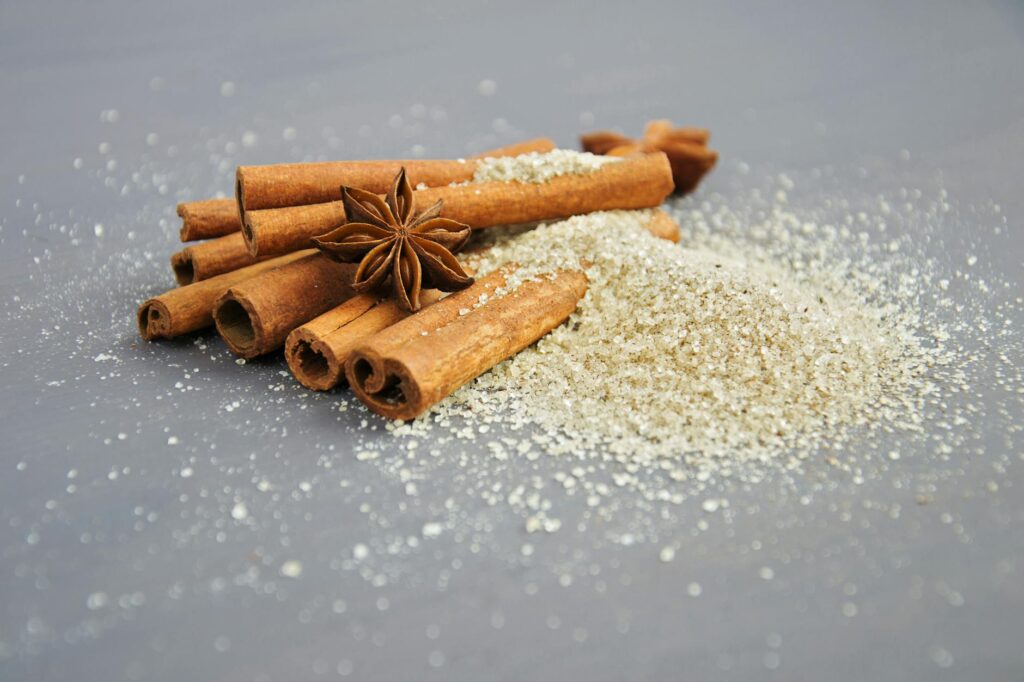
Coconut sugar is a natural sugar made from the sap of the flower buds of the coconut palm. It undergoes minimal processing, retaining a significant amount of nutrients and minerals found in the coconut tree, such as iron, zinc, calcium, and potassium. Characterized by its caramel-like flavor and brown color, coconut sugar serves as a popular alternative to refined sugars and artificial sweeteners.
History and Origins
The use of coconut sugar dates back thousands of years, primarily in Southeast Asia, where it has been a staple sweetener for many local cuisines. Historical records suggest that the practice of tapping coconut palm sap to produce sugar originated in the Philippines and Indonesia. Traditionally, the process involved climbing the palm trees to harvest the sap, which was then heated to evaporate the moisture, resulting in the granulated sugar we know today. As global awareness of health and sustainability increases, coconut sugar has gained popularity in Western countries, often positioned as a healthier alternative to conventional sugars.
Production and Processing
The production of coconut sugar is a labor-intensive process that involves several steps:
1. Tapping the Sap: Skilled harvesters climb coconut palms to collect the sap from the flower buds.
2. Evaporation: The collected sap is heated in large pans to evaporate the moisture content. This step is crucial as it transforms the liquid sap into a thick syrup.
3. Granulation: The syrup is further processed and cooled to form granules, which can vary in size and texture, depending on the desired end product.
The quality of coconut sugar can vary based on the region, the conditions of the coconut palms, and the techniques employed during production. Organic and fair-trade certifications often indicate a higher quality of coconut sugar, ensuring that it is produced sustainably and ethically.
Quality and Grading
Coconut sugar is graded based on its color, texture, and flavor profile. High-quality coconut sugar is often darker in color, indicating a richer flavor and higher mineral content. Various grades may be available, including:
- Light Brown Coconut Sugar: Usually has a milder flavor and finer granules, making it suitable for baking and sweetening beverages.
- Dark Brown Coconut Sugar: Offers a more robust flavor, ideal for recipes that benefit from a richer sweetness, such as sauces and marinades.
- Source and Origin: Coconut sugar from reputable suppliers often ensures better quality and ethical production practices.
- Processing Method: Choose minimally processed coconut sugar to retain its nutrients and natural flavors.
- Packaging: Look for airtight, resealable packaging to preserve freshness and prevent moisture absorption.
- Certification: Opt for organic and fair-trade certifications when available to support sustainable practices.
- Baking: It can replace granulated sugar in most recipes, contributing a distinct caramel flavor to cakes, cookies, and pastries.
- Beverages: Coconut sugar dissolves easily in hot liquids, making it an excellent sweetener for teas, coffees, and smoothies.
- Sauces and Marinades: Its rich flavor enhances sauces, dressings, and marinades, providing a balance of sweetness and depth.
- Cultural Dishes: In Southeast Asian cuisines, coconut sugar is often used in traditional desserts, providing authenticity and a touch of local flavor.
- Coconut Sugar Is a Health Food: While coconut sugar contains some nutrients, it is still a form of sugar and should be consumed in moderation like any other sweetener.
- It Has No Calories: Coconut sugar does contain calories, similar to regular sugar, and excessive consumption can lead to weight gain and other health issues.
- All Coconut Sugar Is the Same: The quality of coconut sugar can vary significantly based on its source, processing, and grading. Always choose high-quality options for the best flavor and nutrient content.
When purchasing coconut sugar, look for labels that indicate its quality and origin. Organic certification can also signal that the coconut sugar is free from harmful pesticides and chemicals.
Buying Considerations
When purchasing coconut sugar, consider the following factors:
Uses and Applications
Coconut sugar can be used in various culinary applications due to its versatility and unique flavor:
Storage and Shelf Life
Proper storage of coconut sugar is essential to maintain its quality and extend its shelf life. Here are some best practices:
Ideal Storage Conditions
1. Airtight Containers: Store coconut sugar in an airtight container to prevent moisture absorption and clumping. Glass jars or resealable plastic bags work well.
2. Cool, Dry Place: Keep the container in a cool, dry area away from direct sunlight, heat, and humidity. High temperatures and moisture can lead to spoilage and affect the sugar’s texture.
3. Avoid Contamination: Always use a clean, dry spoon when scooping coconut sugar to prevent introducing moisture or contaminants.
Shelf Life
When stored correctly, coconut sugar can last for several years. The absence of moisture and the sugar’s low water activity contribute to its longevity. However, it’s essential to check for any signs of clumping, discoloration, or off-odors, which may indicate spoilage. If the sugar becomes hard, it can often be softened by placing it in a bowl with a slice of bread or apple for a few hours, as these items release moisture.
Common Misconceptions
Despite its rising popularity, several misconceptions about coconut sugar persist:
Frequently Asked Questions
1. Can coconut sugar be used as a 1:1 substitute for regular sugar?
Yes, coconut sugar can generally be substituted for regular sugar in a 1:1 ratio, although it may impart a slightly different flavor.
2. Is coconut sugar vegan?
Yes, coconut sugar is derived from plant sources and is considered vegan-friendly.
3. Does coconut sugar have a lower glycemic index than regular sugar?
Coconut sugar has a lower glycemic index than refined sugar, making it a preferred choice for those looking to manage blood sugar levels.
4. Can coconut sugar go bad?
When stored properly, coconut sugar can last for years. However, it can spoil if exposed to moisture or contaminants.
5. Is there a difference between coconut sugar and palm sugar?
While both are made from the sap of palm trees, coconut sugar specifically comes from coconut palms, whereas palm sugar can come from various palm species.
6. How can I soften hard coconut sugar?
Hard coconut sugar can be softened by placing it in an airtight container with a slice of bread or an apple for a few hours. The moisture released will help rehydrate the sugar.
Conclusion
Coconut sugar is not only a flavorful alternative to refined sugars but also a product that requires careful storage to maintain its quality and usability. By understanding its origins, production processes, and best practices for storage, you can ensure that this versatile ingredient remains a staple in your kitchen for all your culinary endeavors. Whether you’re baking, cooking, or sweetening your beverages, knowing how to store coconut sugar effectively will help you make the most of this natural sweetener.