
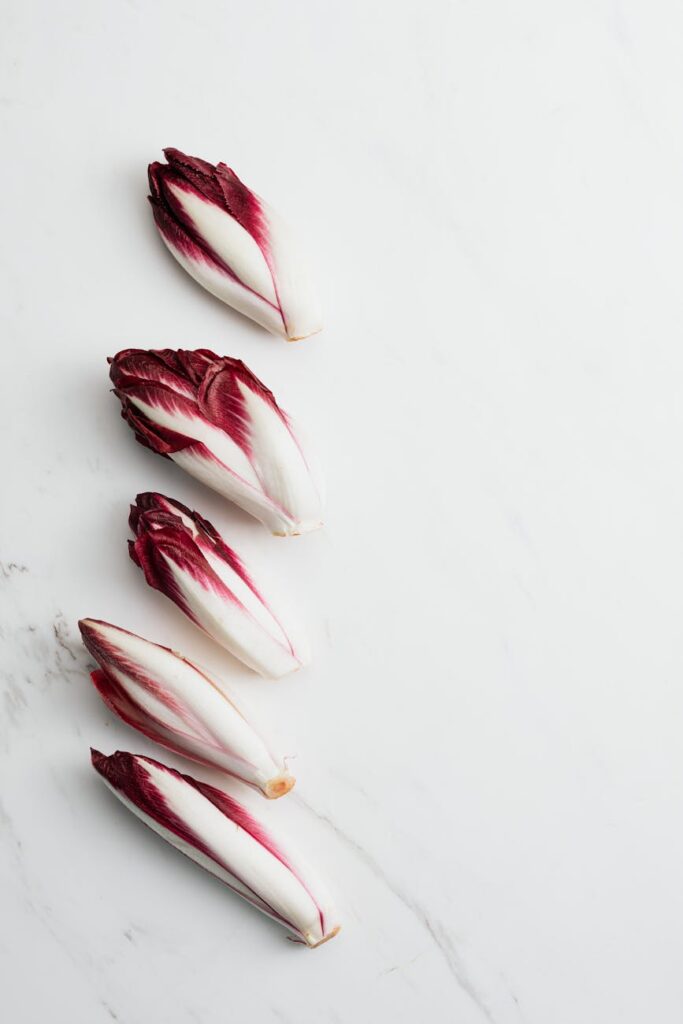
How to Store Endive
Introduction
Endive is a leafy green vegetable that belongs to the chicory family. Renowned for its slightly bitter flavor and crisp texture, endive is often used in salads, appetizers, and as a garnish. However, its unique characteristics also necessitate careful handling and storage to maintain its quality and freshness. This article will delve into the best practices for storing endive, ensuring that you can enjoy this versatile ingredient at its best.
What Is Endive?
Endive is a leafy vegetable characterized by its elongated, curly leaves and crunchy texture. It is divided into two main types: Belgian endive, which has a pale, tightly-packed head, and curly endive (or frisée), known for its frizzy, green leaves. Both types share similar flavor profiles but differ in appearance and texture. Endive is a rich source of vitamins and minerals, making it a nutritious addition to various dishes.
History and Origins
Endive has a storied history that traces back to ancient civilizations. It is believed to have originated in the Mediterranean region, where it was cultivated for its medicinal properties as well as its culinary uses. The plant gained popularity in Europe during the Middle Ages and was later introduced to America in the 18th century. Over the years, endive has evolved into a favorite among chefs and home cooks alike, celebrated for its versatility and unique flavor.
Production and Processing
Endive is primarily grown in temperate regions, with Belgium and the United States being key producers. The cultivation process involves sowing seeds in well-drained soil and ensuring adequate moisture. After several weeks, the plants are harvested and subjected to a blanching process to produce the characteristic pale color of Belgian endive. This process involves covering the plants to block sunlight, which prevents chlorophyll production and results in the tender, mildly bitter leaves cherished by many.
Once harvested, endive is typically washed and packaged for distribution. Proper handling during this stage is crucial to minimize damage and preserve quality. Endive should ideally be harvested in cooler weather, as excessive heat can hasten wilting and spoilage.
Quality and Grading
When purchasing endive, quality is paramount. The best endive should have vibrant, crisp leaves free from browning, wilting, or signs of decay. Grading systems may vary by region, but generally, endive is classified into different grades based on appearance, texture, and freshness. Higher-grade endive is more desirable, both for culinary uses and for consumer satisfaction.
Buying Considerations
When selecting endive, consider the following factors:
1. Appearance: Look for fresh, crisp leaves that are free from browning or wilting. The color should be vibrant, especially for curly endive.
2. Texture: Fresh endive should feel firm and not limp. Gently squeeze the head of the endive; it should spring back.
3. Packaging: If purchasing pre-packaged endive, check for any signs of moisture or damage inside the packaging, as these can indicate spoilage.
4. Source: Whenever possible, buy local or organic endive to ensure freshness and reduce the environmental impact associated with long-distance transportation.
Uses and Applications
Endive is a versatile ingredient that can be utilized in a variety of culinary applications. Its slightly bitter flavor pairs well with rich dressings, cheeses, and meats. While this article focuses on storage, understanding its uses can enhance your appreciation of why proper storage is essential.
1. Salads: Endive is commonly used in salads for its crunch and flavor. It can be the star ingredient or serve as a base for other components.
2. Garnishes: The unique shape and texture of endive make it an excellent garnish, adding visual appeal and a subtle flavor to dishes.
3. Appetizers: Endive leaves can be used as edible cups for appetizers, such as dips or spreads, offering a refreshing crunch.
4. Cooking: While typically enjoyed raw, endive can also be sautéed or grilled, which mellows its bitterness and enhances its sweetness.
Storage and Shelf Life
To keep endive fresh, proper storage is crucial. Here are some guidelines:
Refrigeration
1. Temperature: Store endive in the refrigerator at a temperature between 34°F and 40°F (1°C to 4°C). This range helps slow down the deterioration process.
2. Moisture Control: Endive should be kept in a slightly humid environment to prevent wilting. Placing it in a perforated plastic bag can help maintain moisture without trapping excess water, which can lead to rot.
3. Separation from Ethylene Producers: Endive is sensitive to ethylene gas, which is produced by fruits such as apples and bananas. Keep endive away from these fruits to prevent premature spoilage.
Storage Duration
Endive can typically last in the refrigerator for about 5 to 7 days when stored properly. However, the exact duration may vary based on the initial freshness of the vegetable and storage conditions.
Freezing
While freezing is not recommended for endive due to its high water content, if necessary, you can blanch the leaves for a brief period before freezing. This process involves quickly boiling the leaves and then plunging them into ice water to halt cooking. However, freezing may alter the texture and flavor, making it less desirable for raw applications.
Common Misconceptions
1. Endive is the Same as Escarole
While both endive and escarole belong to the chicory family, they are not the same. Escarole has broader, flatter leaves and a milder flavor compared to the bitter, curled leaves of endive.
2. Endive Should Only Be Served Raw
While endive is often enjoyed raw, it can also be cooked. Cooking can reduce its bitterness and enhance its sweetness, making it a versatile ingredient for various dishes.
3. Endive is Not Nutritious
Some may perceive endive as merely a decorative element in dishes, but it is rich in vitamins A, K, and folate, as well as minerals like calcium and potassium.
Frequently Asked Questions
1. Can I store endive in water like other greens?
No, storing endive in water is not recommended as it can lead to sogginess and spoilage. Instead, wrap the endive in a damp paper towel and store it in a perforated plastic bag.
2. How can I tell if endive has gone bad?
Signs that endive has spoiled include wilting, browning leaves, or a slimy texture. If you notice any of these, it’s best to discard the vegetable.
3. Is it safe to eat endive with slight browning?
While slight browning may not be harmful, it can affect the flavor and texture. It’s advisable to trim away any discolored parts before use.
4. How can I rejuvenate wilted endive?
To rejuvenate wilted endive, place it in a bowl of ice water for about 30 minutes. The cold water can help restore some of its crispness.
5. Can I use endive after its expiration date?
While some vegetables can be used past their expiration date if they appear fresh, it’s better to err on the side of caution. Always check for signs of spoilage before consuming any product.
6. What’s the best way to wash endive before using it?
Rinse endive under cold running water, gently separating the leaves to remove any dirt or debris. Pat dry with a clean kitchen towel or use a salad spinner to remove excess moisture.
Conclusion
Storing endive properly is essential to maintaining its freshness and flavor. By following the guidelines outlined in this article, you can ensure that this versatile ingredient remains a delightful addition to your culinary repertoire. Understanding the significance of quality storage will allow you to enjoy endive at its best, whether in salads, appetizers, or cooked dishes. With its rich history and diverse applications, endive continues to be a cherished ingredient in kitchens around the world.