
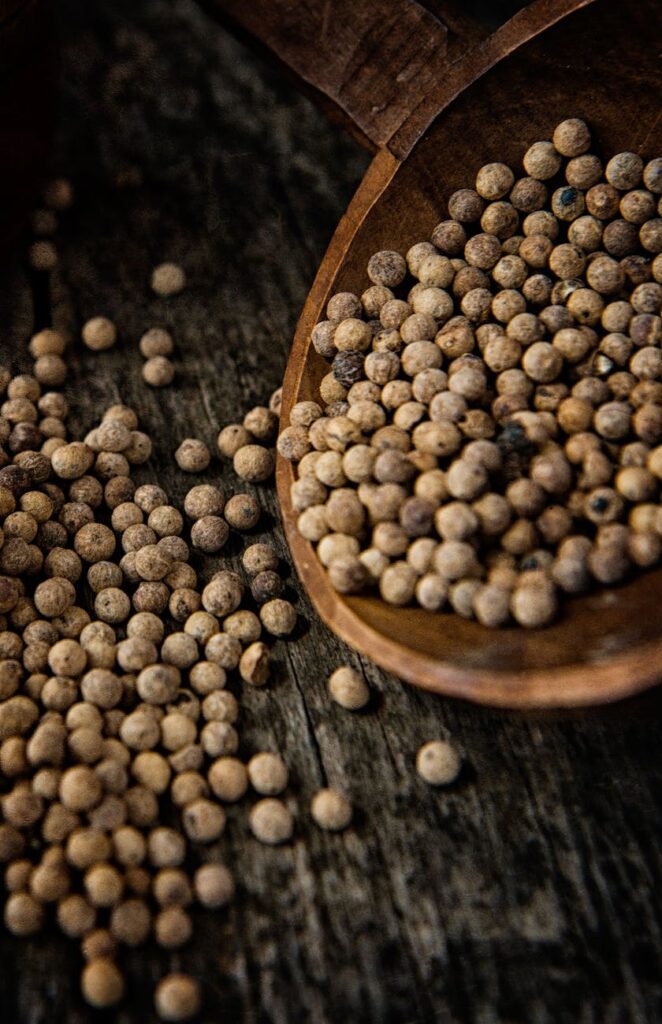
How to Store Faro
Introduction
Faro, a nutritious ancient grain, is gaining popularity in modern diets for its versatility and rich flavor. Often associated with Mediterranean cuisine, this grain is not only delicious but also packed with nutrients. However, understanding how to effectively store Faro is crucial for preserving its quality and maximizing its shelf life. In this article, we will explore the various aspects related to Faro, including its uses, history, production, and, most importantly, the best practices for storing this remarkable ingredient.
What Is Faro?
Faro, sometimes referred to as emmer wheat, is one of the oldest cultivated grains, known for its nutty flavor and chewy texture. It is a hulled wheat that has been a staple in various cultures for thousands of years. Faro is often considered a superfood due to its high protein content, fiber, and essential vitamins and minerals. It is commonly used in salads, soups, and side dishes, offering a wholesome alternative to more refined grains.
History and Origins
The history of Faro dates back to ancient civilizations, particularly in the Fertile Crescent region, where it was first domesticated. Archaeological evidence suggests that Faro was cultivated as early as 8000 BCE. Its significance in agricultural practices is underscored by its resilience and adaptability to various climates. Historically, it played a crucial role in the diets of ancient Egyptians and Romans, who valued it for its nutritional benefits and culinary applications. Today, Faro is experiencing a resurgence in popularity, particularly among health-conscious consumers and those interested in ancient grains.
Production and Processing
Faro is typically grown in temperate regions, where the climate is conducive to its development. The production process begins with selecting high-quality seeds, followed by planting in well-drained soil. After harvest, the grains undergo a milling process that removes the outer husk, making it suitable for consumption. The milling process can vary, with some producers opting for whole grain milling, which retains the bran and germ, enhancing the nutritional profile of the grain.
To ensure premium quality, Faro is often subjected to quality control measures during processing. These measures include visual inspection, moisture content analysis, and grading based on size and color. The milling industry has evolved significantly, with modern techniques allowing for efficient processing while maintaining the grain’s inherent qualities.
Quality and Grading
Quality and grading are vital components in the Faro supply chain. Factors such as the grain’s appearance, size, and moisture content determine its grade. Higher-quality Faro is characterized by a uniform size, minimal broken grains, and a consistent, earthy color. The presence of impurities, such as foreign seeds or debris, can significantly reduce the quality grade.
Consumers should look for reputable brands that provide clear information about the grain’s origin and processing methods. Certifications related to organic farming practices or sustainability can also indicate higher quality and ethical production standards.
Buying Considerations
When purchasing Faro, consider several factors to ensure you select the best product. First, opt for whole grain Faro to maximize nutritional benefits. Check the packaging for information on the source and processing methods, as these can significantly impact quality. Look for grains that are vacuum-sealed or packaged in opaque containers to limit exposure to light and air, which can lead to spoilage.
Additionally, consider the grain’s shelf life. Faro can often be found in bulk bins or packaged in various quantities. If you plan to use Faro regularly, buying in larger quantities may be more economical. However, ensure that you have adequate storage solutions in place to maintain its quality.
Uses and Applications
Faro is a versatile ingredient that can be incorporated into numerous culinary applications. Its nutty flavor pairs well with a variety of ingredients, making it a favored choice in salads, grain bowls, and side dishes. Additionally, it can be used as a base for soups and stews, providing texture and nutritional value.
Faro can also be ground into flour for baking, contributing a unique flavor profile to bread and pastries. It serves as an excellent substitute for rice or pasta, offering a wholesome alternative that is rich in fiber and protein.
Storage and Shelf Life
Proper storage is essential to preserve the flavor and nutritional integrity of Faro. Here are some guidelines to ensure its longevity:
1. Cool, Dry Environment
Store Faro in a cool, dry place, away from direct sunlight and humidity. A pantry or a cupboard is usually suitable, provided the temperature remains stable. High temperatures can lead to rancidity, while moisture can promote mold growth.
2. Airtight Containers
Transfer Faro to an airtight container if it is not already packaged in one. Glass jars, plastic containers, or vacuum-sealed bags are excellent options that can prevent exposure to air and moisture. This is particularly important if you buy Faro in bulk.
3. Refrigeration for Extended Storage
For long-term storage, consider refrigerating or freezing Faro. This method can extend its shelf life significantly. When stored in the freezer, ensure that it is in a moisture-proof, airtight container to prevent freezer burn.
4. Check Expiration Dates
Always check the expiration or best-by dates on the packaging if available. While Faro can last for several months, its quality diminishes over time. Consuming it before the expiration date ensures optimal flavor and texture.
5. Regular Inspection
Periodically inspect your stored Faro for any signs of spoilage, such as off odors, discoloration, or the presence of insects. If you notice any of these signs, it is best to discard the grain.
Shelf Life Summary
When stored correctly, uncooked Faro can last for up to 1 year in a cool, dry place, and up to 2 years when refrigerated or frozen. Cooked Faro should be consumed within 3 to 5 days if stored in the refrigerator.
Common Misconceptions
1. Faro is the Same as Spelt: While Faro and spelt are both ancient grains, they are not the same. Faro is a type of emmer wheat, while spelt is a distinct grain with different nutritional properties.
2. Faro Requires Extensive Cooking Time: Many believe that Faro takes an excessive amount of time to cook. However, with proper soaking or using a pressure cooker, cooking time can be significantly reduced.
3. Faro is Gluten-Free: Faro contains gluten, making it unsuitable for those with celiac disease or gluten intolerance. It is essential to differentiate between gluten-free grains and those that contain gluten.
4. Faro is Nutritionally Inferior to Quinoa: Both Faro and quinoa offer unique nutritional benefits. While quinoa is a complete protein, Faro provides a different range of vitamins and minerals, making both valuable additions to a balanced diet.
Frequently Asked Questions
1. How do you cook Faro?
Cooking Faro involves rinsing the grains and then simmering them in water or broth. The general ratio is 1 cup of Faro to 2.5 cups of liquid, cooked for about 30-40 minutes until tender.
2. Can you freeze cooked Faro?
Yes, cooked Faro can be frozen. Allow it to cool completely, then store it in an airtight container in the freezer. It can last for several months in the freezer.
3. Is Faro suitable for people with gluten sensitivities?
Faro contains gluten and is not suitable for individuals with gluten sensitivities or celiac disease. Always consult with a healthcare professional for dietary concerns.
4. How can I tell if my Faro has gone bad?
Signs of spoilage include an off smell, discoloration, or the presence of pests. If you notice any of these, it is best to discard the Faro.
5. What is the difference between Faro and bulgur?
Faro is whole emmer wheat, while bulgur is a processed form of cracked wheat. Bulgur cooks faster but has a different texture and flavor compared to Faro.
6. Can I use Faro in baked goods?
Yes, Faro flour can be used in baking, providing a unique flavor to bread, muffins, and other baked goods. However, it may require adjustments in liquid ratios due to its absorbent nature.
Conclusion
Storing Faro properly is critical to enjoying its rich flavor and nutritional benefits. By following the guidelines outlined in this article, you can ensure that your Faro remains fresh and delicious for an extended period. As this ancient grain continues to gain traction in modern diets, understanding its storage and handling will allow you to incorporate it seamlessly into your culinary repertoire. Whether you’re a seasoned chef or a home cook, Faro offers a world of possibilities waiting to be explored.