
How to Store Fava Beans
Introduction
Fava beans, also known as broad beans, are a versatile and nutritious legume that has been cultivated and enjoyed in various cultures for centuries. Whether fresh, dried, or frozen, proper storage of fava beans is essential to maintain their quality, flavor, and nutritional value. This article delves into the intricacies of storing fava beans, ensuring that you can maximize their potential in your culinary endeavors.
What Is Uses?
The term “uses” refers to the various applications of an ingredient in cooking and food preparation. In the case of fava beans, they can be utilized in a multitude of ways, ranging from salads and purees to soups and stews. Understanding how to store fava beans effectively will ensure that they remain fresh and flavorful for all these applications.
History and Origins
Fava beans are one of the oldest cultivated plants, with evidence of their use dating back to ancient Egyptian times. They were a staple food in the Mediterranean region and have been utilized in cuisines across Europe, Asia, and Africa. Historically, fava beans were favored not only for their flavor but also for their ability to enrich soil with nitrogen, making them a valuable crop for farmers. This rich history adds to their cultural significance and culinary versatility.
Production and Processing
Fava beans thrive in temperate climates and are typically harvested in late spring to early summer. They are grown extensively in countries such as Egypt, China, Turkey, and Italy. Once harvested, the beans can be processed in several ways: they may be sold fresh, dried, frozen, or canned.
Fresh fava beans are often shelled and blanched to enhance their flavor and color. Dried fava beans, on the other hand, require soaking and cooking before consumption. Understanding these processing methods can influence how you store fava beans, as different forms require different storage techniques.
Quality and Grading
When purchasing fava beans, quality and grading are paramount considerations. Fresh fava beans should be vibrant green, firm, and free from blemishes. Dried beans should be uniform in color and size, with no signs of mold or insect damage. Proper grading ensures that you select high-quality beans that will store well and maintain their flavor and texture.
Buying Considerations
When buying fava beans, consider the following factors:
1. Fresh vs. Dried: Determine whether you will be using fresh or dried fava beans, as each has distinct storage requirements.
2. Source: Purchase from reputable suppliers to ensure the quality and freshness of the beans.
3. Seasonality: Fresh fava beans are typically in season from late spring to early summer, while dried beans are available year-round.
Uses and Applications
Fava beans are incredibly versatile in the kitchen. They can be incorporated into a variety of dishes, such as stews, soups, and salads. Their creamy texture and nutty flavor make them ideal for purées and dips. Understanding their uses will guide you in deciding how to store them best based on anticipated applications.
Storage and Shelf Life
Fresh Fava Beans
Fresh fava beans should be stored in the refrigerator to maintain their freshness. Here are some detailed guidelines:
- Temperature: Store fresh fava beans at a temperature between 32°F and 40°F (0°C to 4°C).
- Packaging: Keep them in a perforated plastic bag or a breathable container to prevent moisture buildup, which can lead to spoilage.
- Shelf Life: Fresh fava beans typically last about 3 to 5 days in the refrigerator. It’s advisable to use them as soon as possible for optimal flavor and texture.
- Temperature: Store them in a cool, dark place, ideally at room temperature.
- Packaging: Use airtight containers made of glass, plastic, or metal to protect them from moisture and pests.
- Shelf Life: When stored properly, dried fava beans can last for up to two years. However, for the best flavor and texture, it’s recommended to use them within a year.
- Preparation: Before freezing, blanch fresh fava beans in boiling water for about 2-3 minutes, then immediately plunge them into ice water to halt the cooking process.
- Packaging: Drain and dry the beans, then place them in airtight freezer bags, removing as much air as possible.
- Shelf Life: Frozen fava beans can last for up to 12 months in the freezer while maintaining their quality.
- Temperature: Store unopened cans in a cool, dry place, away from direct sunlight.
- Once Opened: After opening, transfer any unused beans to an airtight container and refrigerate.
- Shelf Life: Unopened canned fava beans can last for several years, while opened beans should be consumed within a few days.
Dried Fava Beans
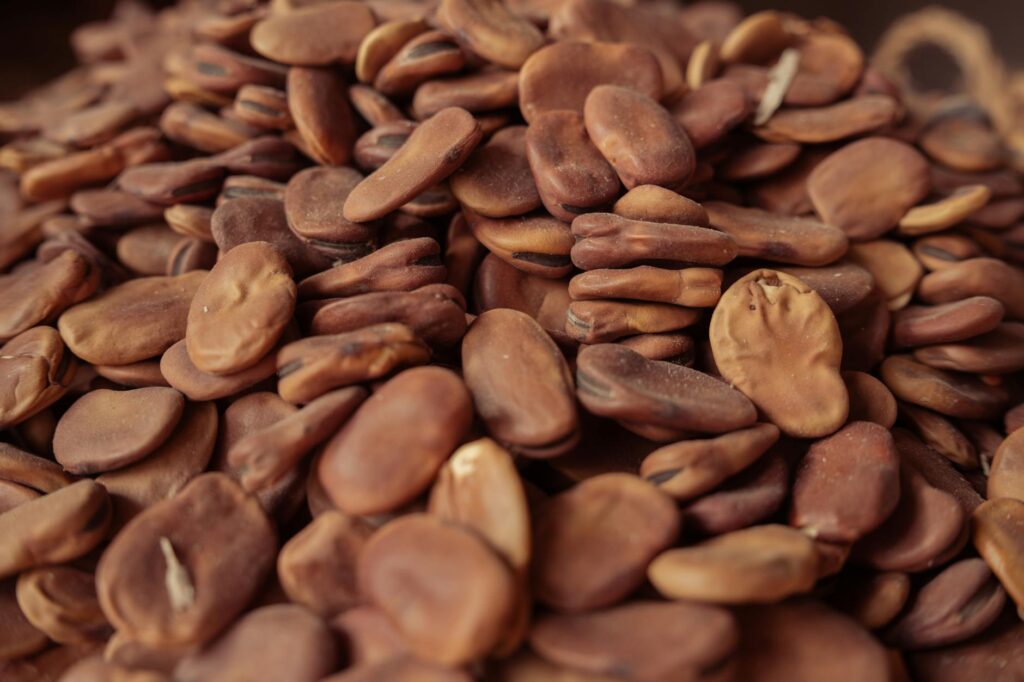
Dried fava beans require a different storage approach:
Frozen Fava Beans
For those who wish to preserve fava beans for a longer period, freezing is an excellent option:
Canned Fava Beans
Canned fava beans are convenient and ready to use, but proper storage is still important:
Common Misconceptions
Many people hold misconceptions about fava beans and their storage:
1. All Beans Are Stored the Same: Different forms of fava beans (fresh, dried, frozen, canned) require unique storage methods.
2. Longer Storage Equals Better Quality: While dried beans can last for years, their quality diminishes over time. It’s essential to use them within a reasonable timeframe for the best flavor.
3. Freezing Destroys Nutritional Value: Freezing can actually preserve the nutritional content of fava beans, making it a viable option for long-term storage.