
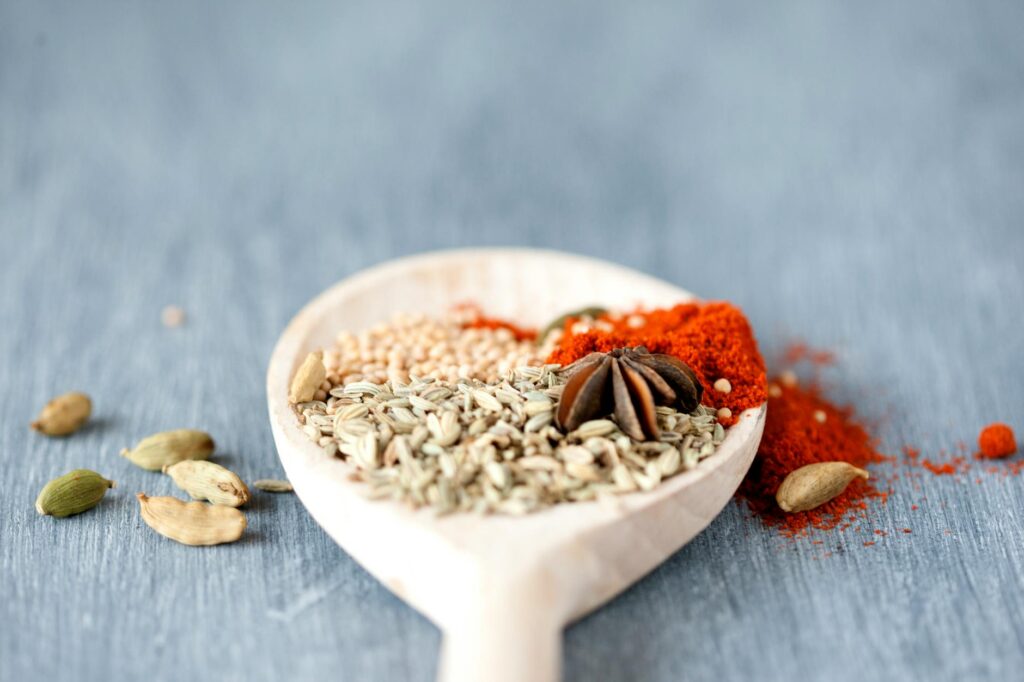
How to Store Fennel Seeds
Introduction
Fennel seeds, known for their aromatic flavor and culinary versatility, hold a significant place in kitchens worldwide. Their distinct licorice-like taste enhances a variety of dishes, from savory to sweet. However, to fully enjoy the benefits of fennel seeds, proper storage is essential. This article delves into the characteristics, history, production, quality grading, buying considerations, uses, and most importantly, effective storage methods for fennel seeds.
What Are Fennel Seeds?
Fennel seeds are the dried fruit of the fennel plant (Foeniculum vulgare), a member of the carrot family. These seeds are small, elongated, and greenish-brown in color, with a slightly sweet and aromatic flavor profile. They are widely used in culinary practices around the globe, particularly in Mediterranean, Indian, and Middle Eastern cuisine. Their unique flavor makes them ideal for seasoning, infusions, and even as a digestive aid.
History and Origins
Fennel has a rich history, tracing back to ancient civilizations. Native to the Mediterranean region, it was cultivated by the Egyptians and the Greeks, who valued its culinary and medicinal properties. Fennel seeds were used not only in cooking but also in rituals and traditional practices. Over time, the plant spread across Europe and Asia, becoming integrated into diverse culinary traditions. Today, fennel seeds are cultivated globally, with significant production in India, Egypt, Turkey, and Iran.
Production and Processing
Fennel seeds are harvested from the mature fruits of the fennel plant, which takes about 90 to 100 days from planting to harvest. The seeds are collected when they turn a golden brown color. After harvesting, they undergo drying and cleaning processes to remove impurities and ensure quality. The seeds can then be packaged for sale or further processed into powders or extracts.
Quality and Grading
The quality of fennel seeds varies based on factors such as the region of cultivation, harvesting methods, and processing techniques. Generally, high-quality fennel seeds are whole, free from any contaminants, and possess a strong aroma. Grading standards may differ by region, but common classifications include:
1. Grade A: Premium quality, whole seeds with a robust flavor.
2. Grade B: Good quality, may contain some broken seeds.
3. Grade C: Lower quality, often includes dust or fragments.
To ensure the best quality, it is advisable to purchase fennel seeds from reputable suppliers who adhere to rigorous grading standards.
Buying Considerations
When purchasing fennel seeds, consider the following factors:
1. Form: Fennel seeds are available whole, crushed, or ground. Whole seeds retain their flavor longer and are generally recommended for storage.
2. Freshness: Check the harvest date, if available, to ensure you are buying fresh seeds. Older seeds may have diminished flavor.
3. Organic vs. Conventional: Organic fennel seeds are cultivated without synthetic pesticides and fertilizers, making them a healthier choice for many consumers.
4. Packaging: Opt for vacuum-sealed or airtight packaging to preserve freshness.
5. Supplier Reputation: Choose suppliers with positive reviews and a history of quality assurance.
Uses and Applications
Fennel seeds have a wide range of culinary applications. They are commonly used in spice blends, pickling, and as a seasoning for various dishes. Their flavor pairs well with meats, vegetables, and even desserts. Fennel seeds are also a popular ingredient in herbal teas due to their soothing properties. Beyond culinary uses, they are often incorporated into natural remedies and fragrances.
Storage and Shelf Life
Proper storage is vital to maintaining the quality and flavor of fennel seeds. Here are recommended practices:
Ideal Storage Conditions
1. Temperature: Store fennel seeds in a cool, dry place, ideally between 60°F and 75°F (15°C to 24°C). Avoid areas near heat sources, such as stoves or ovens.
2. Humidity: High humidity can lead to mold and spoilage. Keep seeds in a low-humidity environment.
3. Light Exposure: Fennel seeds should be stored in a dark place, as exposure to light can degrade their flavor and aroma.
Storage Containers
1. Airtight Containers: Use glass jars or tightly sealed plastic containers to prevent moisture and air from entering.
2. Opaque Containers: Dark-colored containers can help shield seeds from light.
3. Labeling: Always label the container with the purchase date and type of seed to keep track of freshness.
Shelf Life
When stored properly, whole fennel seeds can last for up to three years, while ground fennel seeds typically have a shorter shelf life of about six months to one year. To ensure optimal freshness, it’s advisable to buy in smaller quantities and only grind as needed.
Common Misconceptions
1. Fennel Seeds and Anise: Many people confuse fennel seeds with anise seeds due to their similar flavor profiles. While they share some characteristics, they come from different plants and have distinct flavors.
2. Storage in the Refrigerator: Some believe that refrigerating fennel seeds extends their shelf life. However, the moisture in fridges can be detrimental. A cool, dark cupboard is generally better.
3. Buying Ground Fennel Seeds: Ground fennel may seem convenient, but it loses flavor more quickly than whole seeds. It’s often best to purchase whole seeds and grind them as needed.
Frequently Asked Questions
1. How can I tell if fennel seeds have gone bad?
Signs of spoilage include a loss of aroma, a bitter taste, or the presence of mold. If in doubt, it’s best to discard them.
2. Can I freeze fennel seeds for long-term storage?
While freezing is possible, it is not generally recommended due to potential moisture issues. If you choose to freeze them, ensure they are in airtight packaging.
3. What’s the best way to grind fennel seeds?
Using a spice grinder or mortar and pestle can yield the best results. Grind only what you need to maintain freshness.
4. Are there any special considerations for storing fennel seeds in humid climates?
In humid environments, it is crucial to ensure that seeds are kept in airtight containers and stored in the coolest, driest part of your home.
5. How can I enhance the flavor of fennel seeds before using them?
To release their essential oils and enhance flavor, lightly toasting fennel seeds in a dry skillet for a few minutes before use can be beneficial.
6. Can I use fennel seeds past their shelf life?
While they may still be safe to consume, the flavor and aroma will likely be significantly diminished. It’s advisable to replace old seeds for optimal culinary performance.
Conclusion
Fennel seeds are a cherished ingredient that can elevate a wide array of dishes. By understanding their characteristics, history, production, and most importantly, proper storage methods, you can ensure that these seeds remain flavorful and aromatic for an extended period. With the right practices in place, fennel seeds can be a long-lasting staple in your culinary repertoire, enriching your dishes with their unique flavor profile.