
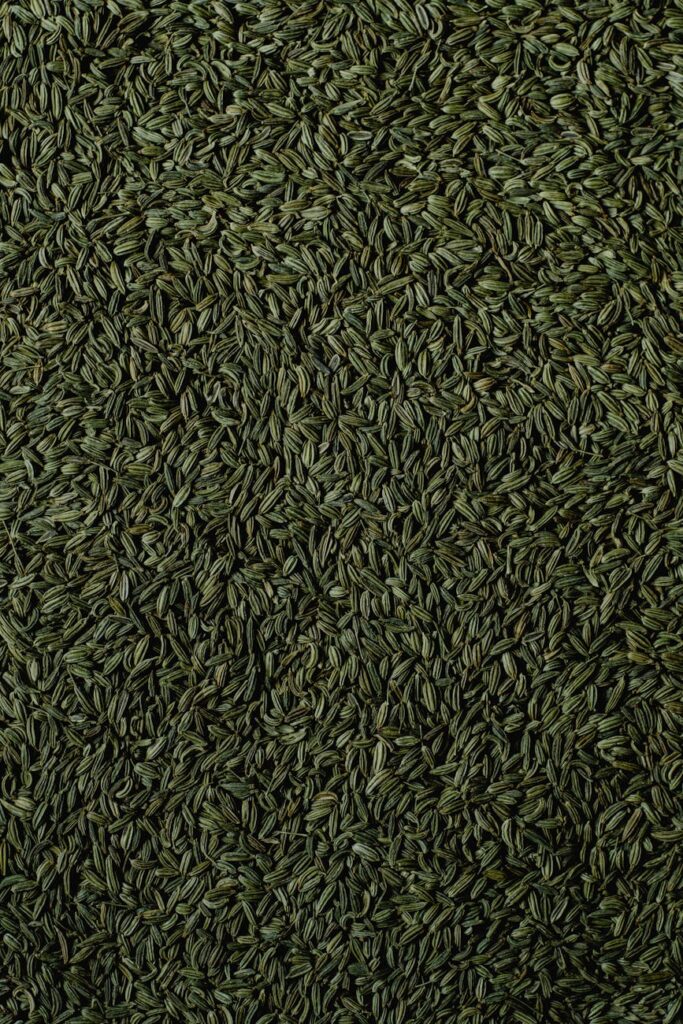
How to Store Fennel
Introduction
Fennel, an aromatic herb belonging to the Apiaceae family, is cherished for its unique flavor profile and versatile applications in culinary practices. Alongside its culinary uses, proper storage of fennel is essential to maintain its freshness, taste, and nutritional value. This article delves into the various aspects of fennel, with a particular focus on how to store it effectively for optimal usage.
What Is Fennel?
Fennel (Foeniculum vulgare) is a flowering plant that produces a bulbous base, feathery fronds, and yellow flowers. Known for its licorice-like flavor, fennel is used in diverse culinary applications, ranging from salads and soups to roasted dishes and pickles. Both the bulb and the fronds are edible, making fennel a versatile ingredient.
History and Origins
Fennel has a rich history, dating back to ancient civilizations. It was cultivated in the Mediterranean region and has been used for thousands of years for both culinary and medicinal purposes. Ancient Greeks and Romans valued fennel not only for its flavor but also for its supposed health benefits. Over the centuries, fennel spread across Europe and later to the Americas, where it has become a staple in various cuisines.
Production and Processing
Fennel thrives in well-drained soil and requires a temperate climate for optimal growth. The plant is typically harvested in late summer to early autumn when the bulbs reach their peak size. After harvesting, fennel is usually cleaned and packaged for distribution. Depending on the intended market, fennel may be sold fresh, dried, or processed into essential oils.
Quality and Grading
The quality of fennel can vary significantly based on factors such as cultivation methods, harvest time, and handling practices. Fresh fennel should exhibit a firm bulb with vibrant green fronds. It should be free from blemishes, soft spots, or signs of decay. Grading may also depend on the size of the bulb, with larger ones generally being preferred for culinary uses.
Buying Considerations
When purchasing fennel, consider the following:
1. Freshness: Look for bulbs that feel firm and heavy for their size. The fronds should be vibrant green and fragrant.
2. Size: Depending on your culinary needs, you may prefer smaller bulbs for salads or larger ones for roasting.
3. Organic vs. Conventional: Organic fennel may be free from pesticides and other chemicals, making it a healthier option.
4. Seasonality: Fennel is typically in season from late fall to early spring, so buying in season can ensure better quality and flavor.
Uses and Applications
Fennel is celebrated for its versatility in the kitchen. It can be consumed raw, cooked, or pickled. The bulb is often sliced thinly for salads, while the fronds can be used as an herb to garnish dishes or enhance flavors. Roasting fennel brings out its natural sweetness, making it an excellent addition to vegetable medleys. Additionally, fennel seeds are used as a spice, adding depth to dishes such as curries and baked goods.
Storage and Shelf Life
Proper storage of fennel is crucial to preserving its quality and extending its shelf life. Here are some essential tips:
Fresh Fennel Storage
1. Refrigeration: Store fresh fennel in the refrigerator to maintain its freshness. Wrap the bulb in a damp paper towel and place it in a perforated plastic bag. This method helps retain moisture while allowing for air circulation, which prevents spoilage.
2. Avoid Ethylene Gas: Keep fennel away from ethylene-producing fruits such as apples and bananas, as this gas can cause fennel to spoil faster.
3. Fridge Crisper Drawer: Place the fennel in the crisper drawer of your refrigerator, where humidity levels are optimal for freshness.
Cut Fennel Storage
If you have cut fennel, use it as soon as possible for the best flavor. However, if you need to store it, follow these guidelines:
1. Wrap: Wrap cut fennel in plastic wrap or place it in an airtight container to minimize exposure to air and moisture.
2. Refrigeration: Store cut fennel in the refrigerator, ideally in the crisper drawer, where the environment is slightly more humid.
Cooked Fennel Storage
Cooked fennel can be stored for several days when handled properly:
1. Cooling: Allow cooked fennel to cool to room temperature before storing.
2. Airtight Containers: Place it in airtight containers to prevent moisture loss and contamination from other foods.
3. Refrigeration: Consume refrigerated cooked fennel within three to five days for optimal quality.
Freezing Fennel
For long-term storage, freezing fennel is a viable option:
1. Preparation: Clean and cut the fennel into desired sizes. Blanching the fennel in boiling water for a few minutes before freezing helps preserve its flavor and texture.
2. Freezing: Place the blanched fennel in airtight freezer bags or containers. Remove as much air as possible to prevent freezer burn.
3. Labeling: Label the bags with the date of freezing to keep track of storage time.
Shelf Life
- Fresh Fennel: When stored correctly in the refrigerator, fresh fennel can last up to two weeks.
- Cut Fennel: Cut fennel typically lasts about 3 to 5 days in the refrigerator.
- Cooked Fennel: Cooked fennel can be stored for 3 to 5 days and should be consumed within this timeframe.
- Frozen Fennel: Frozen fennel can last for up to six months, although its quality may decline over time.
Common Misconceptions
Fennel is often misunderstood, leading to several misconceptions:
1. Only for Flavoring: While fennel seeds are commonly used as a spice, the bulb and fronds are equally valuable culinary components, often overlooked.
2. Licorice Flavor: The distinct licorice flavor of fennel can be polarizing. However, when cooked, fennel’s flavor becomes milder and sweeter, appealing to a broader palate.
3. Single Use: Fennel is often considered a one-dimensional ingredient, but its versatility allows for a wide range of applications—from salads to soups to main dishes.
Frequently Asked Questions
1. How can I tell if fennel is fresh?
Fresh fennel should have a firm bulb, vibrant green fronds, and a strong aroma. Avoid fennel with soft spots, discoloration, or wilting fronds.
2. Can I store fennel in water?
While some people store fresh herbs in water, fennel is best stored wrapped in a damp paper towel and kept in a perforated bag in the refrigerator.
3. What is the best way to freeze fennel?
To freeze fennel, clean and chop it, then blanch it in boiling water for a few minutes. After cooling, place it in airtight bags or containers and remove excess air before freezing.
4. How long does fennel last at room temperature?
Fennel is best stored in the refrigerator, but if left at room temperature, it generally lasts only a couple of days before wilting and deteriorating in quality.
5. Can I eat fennel stalks?
Yes, fennel stalks are edible and can be used in stocks, soups, or as a flavorful addition to salads.
6. Is it necessary to peel fennel before cooking?
Peeling fennel is not necessary; however, if the outer layer is tough or damaged, it may be beneficial to remove it before cooking.
Conclusion
Understanding how to store fennel correctly can significantly enhance your culinary experience with this versatile ingredient. By employing proper storage techniques, you can preserve its unique flavor and nutritional benefits, allowing you to enjoy fennel in various dishes while minimizing waste. Whether you choose to use it fresh, cooked, or frozen, fennel remains a valuable addition to any kitchen.