
How to Store Ginger
Introduction
Ginger is a versatile and aromatic rhizome that has been utilized in culinary traditions worldwide for centuries. Known for its unique flavor and numerous culinary applications, ginger is an essential ingredient in many kitchens. However, to fully appreciate its vibrant taste and health benefits, understanding how to properly store ginger is crucial. This article will provide you with comprehensive insights into the storage of ginger, ensuring that you maintain its quality and flavor for as long as possible.
What Is Ginger?
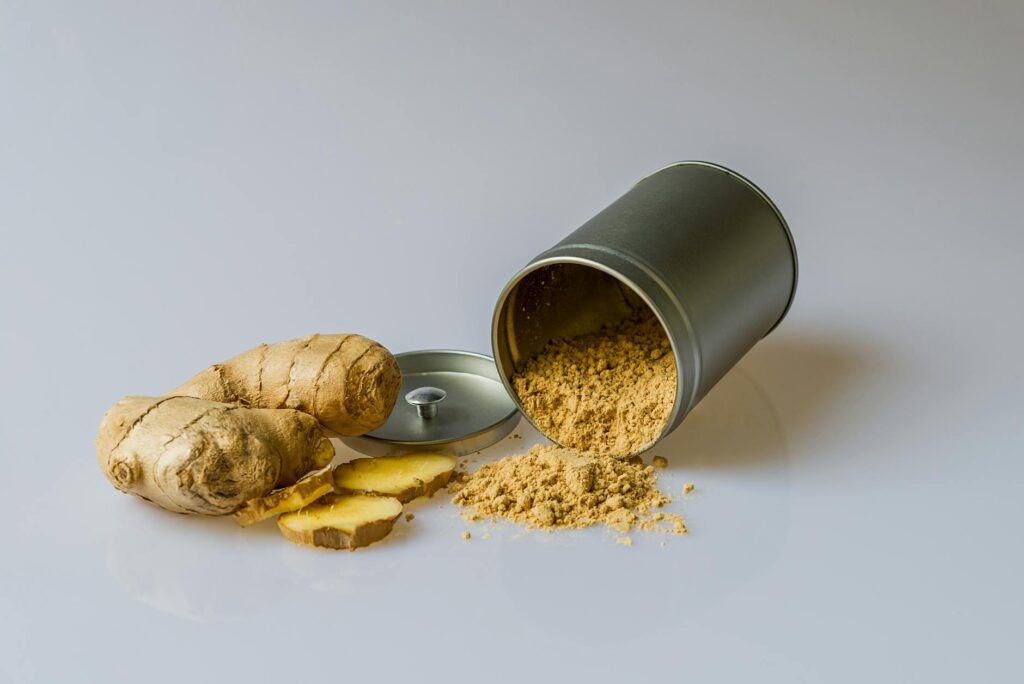
Ginger (Zingiber officinale) is a flowering plant belonging to the family Zingiberaceae. The rhizome, or underground stem, is the part most commonly used in cooking and medicinal applications. Ginger is characterized by its pungent flavor and spicy aroma, making it a popular component in many cuisines, from Asian to Caribbean. The fresh rhizome can be used in various forms, including whole, grated, powdered, or pickled.
History and Origins
Ginger has a rich history that dates back thousands of years. It is believed to have originated in Southeast Asia, particularly in the region now known as India. Ancient texts indicate that ginger was used both as a spice and for medicinal purposes in ancient China and India. Over time, it spread to the Mediterranean and gained popularity throughout Europe during the Middle Ages. Today, ginger is cultivated in tropical and subtropical regions around the world, with major producers including India, China, and Indonesia.
Production and Processing
The production of ginger involves several stages, from planting to harvesting. Ginger is typically grown in well-drained, loamy soil with adequate moisture. The process begins with planting pieces of rhizome, which sprout and develop into mature ginger plants. After several months, the rhizomes are harvested, usually when the leaves start to yellow, indicating maturity.
Once harvested, ginger undergoes processing, which may include washing, peeling, and slicing. While some ginger is sold fresh, others are processed into dried or powdered forms. The quality of ginger can vary based on factors such as the cultivation method, region, and post-harvest handling.
Quality and Grading
When selecting ginger, quality grading is essential for ensuring optimal flavor and freshness. Fresh ginger should be firm and smooth, with minimal wrinkles or blemishes. The aroma should be strong and spicy, indicating its freshness. Grading systems may vary by region, but generally, higher-quality ginger will be more aromatic and have a more intense flavor profile.
Buying Considerations
When purchasing ginger, consider the following factors:
1. Type: Fresh, dried, or powdered ginger is available. Each form has different culinary applications and storage needs.
2. Origin: Knowing the source can give insights into the quality and flavor profile of the ginger.
3. Appearance: Look for ginger that is firm, plump, and free from mold or soft spots.
4. Organic vs. Conventional: Organic ginger may be preferred for those looking to avoid pesticides, but it can be more expensive.
Uses and Applications
Ginger is celebrated not only for its culinary uses but also for its aromatic properties. It is commonly used in:
- Cooking: Ginger adds depth to both savory and sweet dishes, from stir-fries to desserts.
- Beverages: It is a key ingredient in teas, juices, and cocktails.
- Spices and Seasonings: Ground ginger is often used in spice blends, baked goods, and marinades.
- Preservation: Pickled ginger is used as a condiment, particularly in Asian cuisines.
- Store fresh ginger in a paper bag or wrap it in a paper towel to absorb excess moisture. Place it in the vegetable crisper drawer of your fridge. This method can keep ginger fresh for up to three weeks.
- Another effective method is to place fresh ginger upright in a jar with a small amount of water, covering the top loosely with a plastic bag. Change the water every few days. This can keep ginger fresh for up to a month.
- For long-term storage, ginger can be frozen. Peel and cut it into manageable pieces, then place it in an airtight freezer bag. Frozen ginger can last for several months and can be grated directly from the freezer when needed.
- Dried ginger should be stored in an airtight container in a cool, dark place, away from light and moisture. Properly stored, it can retain its potency for up to two years.
- If you live in a particularly humid climate, consider refrigerating dried ginger to further extend its shelf life.
- Pickled ginger should be stored in the refrigerator and consumed within a few months. It may lose its crispness over time but will still be safe to eat.
Understanding how to store ginger effectively enhances its usability and extends its shelf life.
Storage and Shelf Life
Proper storage is fundamental to prolonging the freshness and shelf life of ginger. Here are several methods for storing ginger, depending on its form:
Fresh Ginger
1. In the Refrigerator:
2. In Water:
3. Freezing:
Dried or Ground Ginger
1. In a Cool, Dark Place:
2. Refrigeration:
Pickled Ginger
Common Misconceptions
One prevalent misconception about ginger is that it must always be stored in the freezer to maintain freshness. While freezing is an excellent method for long-term storage, fresh ginger can remain viable for weeks in the refrigerator if stored correctly. Additionally, some believe that peeling ginger before storing it is necessary; however, leaving the skin on can help maintain its freshness.
Frequently Asked Questions
1. Can I store ginger in a plastic bag?
Storing ginger in a plastic bag is not recommended, as it can trap moisture and promote mold growth. Instead, opt for a paper bag or wrap it in a paper towel.
2. How long does fresh ginger last in the refrigerator?
When stored properly in the refrigerator, fresh ginger can last for up to three weeks.
3. Is it necessary to peel ginger before using it?
No, peeling ginger is not necessary. The skin is edible and can enhance flavor. However, it’s essential to wash it thoroughly to remove any dirt.
4. Can I use sprouted ginger?
Yes, sprouted ginger is safe to eat. The sprouting does not affect its flavor or culinary applications, but it may have a slightly different texture.
5. Can I refreeze ginger after thawing?
Refreezing ginger after thawing is generally not recommended, as it can affect the texture and flavor. It is best to use thawed ginger within a reasonable timeframe.
6. What is the best way to store ground ginger?
Ground ginger should be stored in an airtight container in a cool, dark place. This will help maintain its flavor and potency for up to two years.
Conclusion
Storing ginger properly is crucial for preserving its flavor, aroma, and overall quality. By following the guidelines outlined in this article, you can enhance your culinary experience and make the most of this remarkable ingredient. Whether you prefer fresh, dried, or pickled ginger, understanding the best storage methods will ensure that you have access to this beloved spice whenever you need it.