
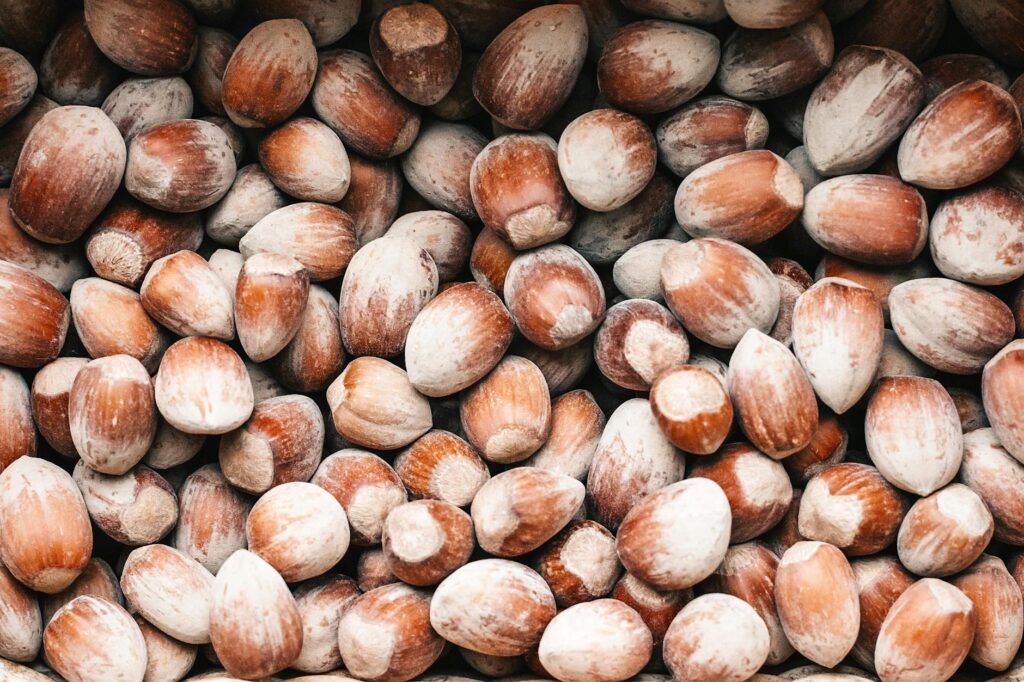
How to Store Hazelnuts
Introduction
Hazelnuts, known scientifically as Corylus avellana, are not only a delicious addition to various culinary creations but also a highly nutritious nut. With a rich flavor profile and a versatile nature, they are used in sweet and savory dishes alike. However, understanding how to store hazelnuts properly is crucial to maintaining their quality, flavor, and nutritional value. This article delves into the best practices for storing hazelnuts, ensuring you can enjoy their delightful taste and health benefits for as long as possible.
What Are Hazelnuts?
Hazelnuts are small, round nuts encased in a hard shell, belonging to the birch family. They are rich in healthy fats, vitamins, and minerals, making them a popular choice among health-conscious consumers. Often referred to as filberts, hazelnuts can be consumed raw, roasted, or ground into flour and paste. Their flavor is characterized by a sweet, buttery essence, making them a favorite in confections, desserts, and even savory dishes.
History and Origins
The history of hazelnuts dates back thousands of years. Archaeological evidence suggests that they were consumed as far back as the Stone Age, with the earliest findings in parts of Europe and Asia. The ancient Greeks and Romans also valued hazelnuts, often associating them with fertility and prosperity.
The cultivation of hazelnuts spread throughout Europe and into North America, where they became particularly popular in the Pacific Northwest. Today, Turkey is the largest producer of hazelnuts, followed by Italy, the United States, and Spain. Their rich history and enduring popularity underscore their significance in global culinary traditions.
Production and Processing
Hazelnut production involves several stages, from cultivation to processing. They thrive in temperate climates with well-drained soil and adequate moisture. The trees typically bear fruit in late summer to early autumn. Harvesting is often done by shaking the branches to release the nuts, which then fall to the ground.
Post-harvest, hazelnuts undergo a series of processing steps, including drying, shelling, and sometimes roasting. Proper processing is essential to enhance their flavor and prolong their shelf life. For example, roasting can intensify their nutty aroma, making them even more desirable for culinary uses.
Quality and Grading
The quality of hazelnuts can significantly affect their flavor and overall usability. Factors such as size, moisture content, and absence of defects determine their grading. Higher-grade hazelnuts are typically larger and more uniform in size, with a lower moisture content, which is crucial for storage.
Quality control measures are implemented during production to ensure that only the best nuts reach consumers. This includes visual inspections and testing for mold or rancidity. When purchasing hazelnuts, look for those that are firm, free of blemishes, and have a pleasant, nutty aroma.
Buying Considerations
When selecting hazelnuts, consider several factors to ensure you are getting the best product.
1. Form: Hazelnuts can be found in various forms—whole, chopped, sliced, or ground. The form you choose should align with your intended use.
2. Raw vs. Roasted: Decide whether you prefer raw hazelnuts, which have a milder flavor, or roasted ones, which are more aromatic and intense.
3. Packaging: Opt for vacuum-sealed or airtight packaging to minimize exposure to air, which can lead to rancidity.
4. Origin: The region of production can impact flavor. For example, Turkish hazelnuts are often regarded as some of the best in terms of taste and quality.
5. Organic vs. Conventional: If pesticide exposure is a concern, look for organic hazelnuts, which are grown without synthetic chemicals.
Uses and Applications
Hazelnuts are incredibly versatile and can be used in a wide array of culinary applications. Common uses include:
- Baking: Hazelnuts are often incorporated into baked goods like cakes, cookies, and pastries, adding flavor and texture.
- Confectionery: Their rich taste makes them a popular choice for chocolates and pralines.
- Nut Butters: Hazelnuts can be ground into a creamy paste, often seen as a key ingredient in spreads like Nutella.
- Savory Dishes: They can also enhance salads, grain dishes, and sauces, offering a delightful crunch and flavor.
- Dairy Alternatives: Hazelnuts are increasingly used to create plant-based milks and cheeses, catering to growing vegan and lactose-free markets.
Storage and Shelf Life
Proper storage is essential for maintaining the quality and freshness of hazelnuts. Here are some guidelines to ensure optimal storage:
Room Temperature
If you plan to consume hazelnuts within a few weeks, storing them at room temperature is acceptable. Place them in an airtight container in a cool, dark, and dry location, away from direct sunlight and heat sources. Under these conditions, hazelnuts can last for about two to three weeks.
Refrigeration
For longer-term storage, refrigeration is recommended. Place hazelnuts in an airtight container or a resealable plastic bag to prevent moisture absorption. When properly stored in the refrigerator, hazelnuts can maintain their quality for up to six months.
Freezing
Freezing is the best option for extending the shelf life of hazelnuts. Ensure they are clean and completely dry before placing them in a freezer-safe container or bag. When stored in the freezer, hazelnuts can last for up to a year while retaining their flavor and nutritional value. To use frozen hazelnuts, simply remove them from the freezer and let them thaw at room temperature.
Common Misconceptions
1. Hazelnuts Must Always Be Roasted
While roasting enhances flavor, raw hazelnuts are just as nutritious and can be used in various recipes. The choice between raw and roasted depends on personal preference.
2. Hazelnuts Are Only for Desserts
While they are commonly associated with desserts, hazelnuts can add depth and flavor to savory dishes as well, such as salads and sauces.
3. All Hazelnuts Taste the Same
The flavor of hazelnuts can vary depending on their origin and processing methods. Different regions produce nuts with distinct flavor profiles.
Frequently Asked Questions
1. How can I tell if hazelnuts are bad?
Signs of spoilage include a rancid smell, off-flavors, or visible mold. If you notice any of these signs, discard the nuts.
2. Can I store hazelnuts in their shells?
Yes, storing hazelnuts in their shells can extend their shelf life as the shell provides a protective barrier against air and moisture.
3. Are there any specific storage containers recommended?
Airtight containers made of glass or BPA-free plastic are ideal for storing hazelnuts. Avoid using containers that are not airtight, as they will allow air to degrade the nuts.
4. Can I freeze hazelnuts with their shells on?
While you can freeze hazelnuts with their shells on, it is recommended to shell them first for better storage and easier use later.
5. Do hazelnuts need to be washed before storage?
It is not necessary to wash hazelnuts before storage, as moisture can lead to spoilage. If they are dusty, you may wipe them gently with a dry cloth.
6. How can I revive stale hazelnuts?
If hazelnuts have lost their crunch, you can revive them by roasting them lightly in the oven at a low temperature for a few minutes. However, this will not restore their original flavor if they have gone rancid.
Conclusion
Storing hazelnuts correctly is essential to maintaining their exceptional flavor and nutritional benefits. By following proper storage techniques—whether at room temperature, in the refrigerator, or freezer—you can extend the shelf life of this delightful nut. Understanding the intricacies of hazelnut selection, processing, and storage will enrich your culinary experience, allowing you to enjoy this versatile ingredient in various forms and applications.