
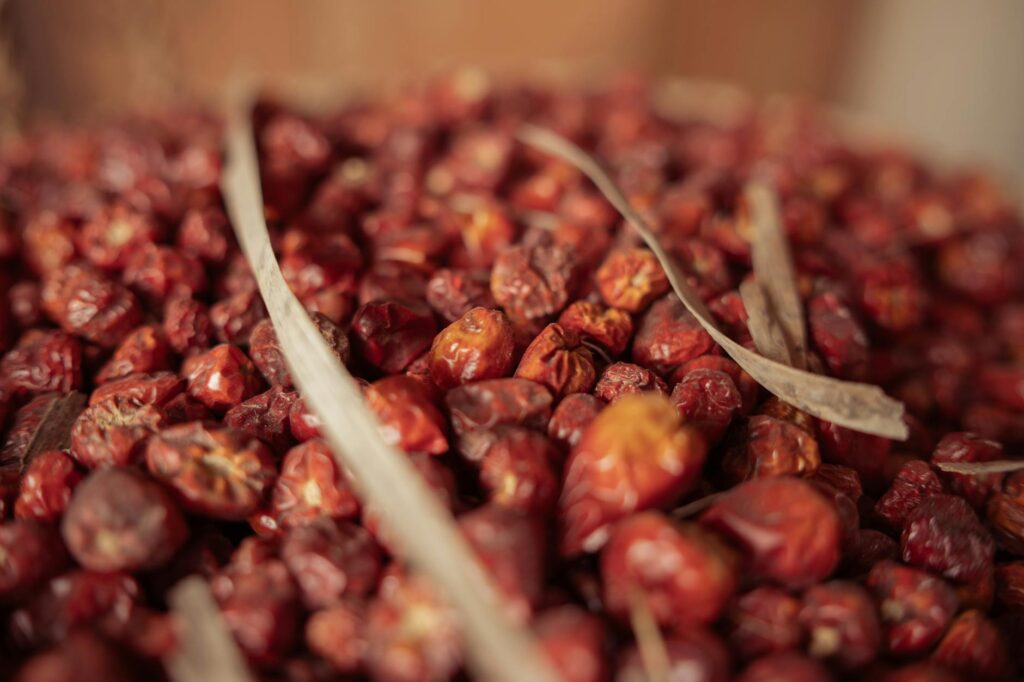
How to Store Jujube
Introduction
Jujube, often referred to as the Chinese date, is a fruit-bearing tree known for its sweet, chewy fruits and extensive cultural significance. With roots tracing back to ancient civilizations, jujube has become a popular ingredient in various cuisines and medicinal practices across the globe. Understanding how to properly store jujube is essential to preserving its unique flavors and nutritional benefits. This article provides a comprehensive overview of jujube, including its historical significance, production, quality considerations, and effective storage methods to ensure optimal freshness.
What Is Jujube?
Jujube (Ziziphus jujuba) is a deciduous shrub or small tree that produces small, oval-shaped fruits. The fruit varies in color from green to deep brown, and its flavor transitions from tart to sweet as it ripens. Jujube can be consumed fresh, dried, or as an ingredient in various culinary applications. The fruit’s high nutritional content, including vitamins, minerals, and antioxidants, has made it a sought-after ingredient in both traditional and modern diets.
History and Origins
Jujube has a rich history that dates back over 4,000 years, originating in the regions of southern Asia, particularly in China. The fruit has been cultivated for millennia and is deeply integrated into cultural practices, folklore, and traditional medicine in various societies. The ancient Chinese valued jujube for its nourishing properties and often included it in traditional celebratory dishes.
Over time, jujube spread to other parts of the world, including the Middle East, Europe, and eventually the Americas, where it has adapted to various climates and growing conditions. Despite its global presence, jujube remains particularly popular in Asian cuisines, where it is used in desserts, teas, and savory dishes.
Production and Processing
Jujube trees thrive in arid and semi-arid climates, preferring well-drained soils. They are relatively hardy and can tolerate drought conditions, making them suitable for cultivation in diverse environments. Harvesting typically occurs in late summer to early autumn when the fruits are fully ripe.
Once harvested, jujube can be processed in several ways. Fresh jujubes can be dried to enhance their shelf life and flavor, transforming them into a chewy, nutrient-dense snack. Dried jujubes are often used in traditional dishes and herbal teas. During processing, careful handling is essential to prevent bruising and ensure quality.
Quality and Grading
The quality of jujube is determined by several factors, including size, color, firmness, and absence of blemishes. When assessing jujube, consider the following grading criteria:
- Size: Larger fruits are typically more desirable due to their higher sugar content and better texture.
- Color: A rich, dark brown color indicates ripeness and sweetness, while green or yellow fruits may be less flavorful.
- Firmness: Fresh jujube should be firm to the touch. Overripe fruits may feel soft and mushy.
- Blemishes: Fruits should be free from any signs of decay, mold, or insect damage.
- Snacks: Dried jujube is often enjoyed as a healthy snack, providing a sweet alternative to candy.
- Beverages: Jujube is commonly used in herbal teas and infusions, appreciated for its soothing properties.
- Savory Dishes: In several Asian cuisines, jujube is incorporated into soups, stews, and stir-fries, adding sweetness and depth to savory flavors.
- Confections: Jujube can be used in desserts, such as jujube cakes or pastries, offering a natural sweetness.
- Traditional Medicine: While this article does not delve into medical advice, it is worth noting that jujube is often used in traditional remedies for its purported health benefits.
Proper grading is essential to ensure that consumers receive high-quality jujube that meets their expectations.
Buying Considerations
When purchasing jujube, whether fresh or dried, there are several factors to keep in mind:
1. Source: Aim to buy jujube from reputable suppliers or farmers’ markets to ensure quality and freshness.
2. Seasonality: Fresh jujube is typically available in late summer to autumn. Dried jujube can be found year-round but check for quality indicators.
3. Packaging: For dried jujube, choose products that are well-packaged to prevent exposure to moisture and air, which can lead to spoilage.
4. Organic Certification: If possible, select organic jujube to avoid pesticide residues and support sustainable farming practices.
By considering these factors, you can enhance your chances of selecting high-quality jujube that meets your culinary needs.
Uses and Applications
Jujube is a versatile ingredient with a wide range of culinary applications. Its unique flavor and texture make it suitable for various dishes, including:
The adaptability of jujube in various culinary contexts enhances its appeal, making it a valuable ingredient for chefs and home cooks alike.
Storage and Shelf Life
Proper storage is crucial to maintaining the freshness and quality of jujube. Here are detailed guidelines for storing both fresh and dried jujube:
Fresh Jujube Storage
1. Refrigeration: For fresh jujube, store the fruits in the refrigerator. Place them in a breathable container, such as a paper bag or a perforated plastic bag, to allow for air circulation. Fresh jujube can typically last for about 1 to 2 weeks in the refrigerator.
2. Avoid Moisture: Excess moisture can lead to mold growth. Ensure the fruits are dry before storing and inspect them regularly for any signs of spoilage.
3. Freezing: If you have an abundance of fresh jujube,