
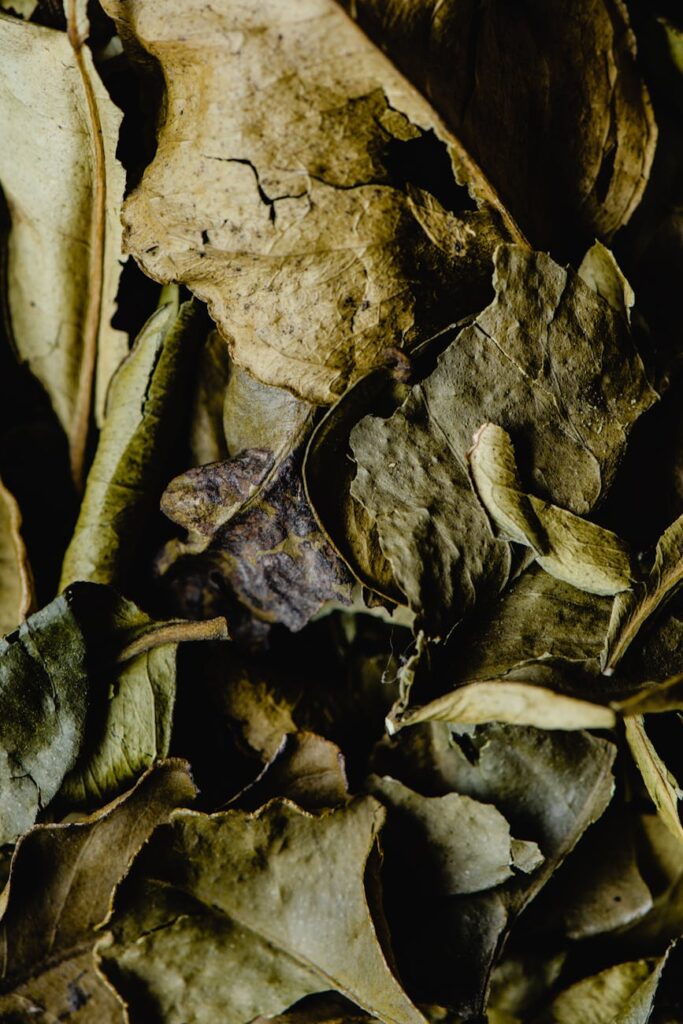
How to Store Kefir Lime Leaves
Introduction
Kefir lime leaves, known as Citrus hystrix, are aromatic leaves commonly used in Southeast Asian cuisine, particularly in Thai and Indonesian dishes. Their unique flavor profile, characterized by a bright and zesty aroma, adds depth to a variety of culinary creations. While their culinary applications are widely recognized, understanding how to properly store kefir lime leaves is essential for maximizing their flavor and ensuring longevity. This article will delve into the multifaceted aspects of kefir lime leaves, including their uses, history, and the best practices for storage.
What Are Kefir Lime Leaves?
Kefir lime leaves are glossy, dark green leaves from the kaffir lime tree. They are distinctively shaped, with a unique double leaf structure that resembles a butterfly. The leaves are highly aromatic, contributing a fragrant citrus note that enhances both savory and sweet dishes. Their flavor is often described as a combination of lime and kaffir, making them a versatile ingredient in various culinary applications.
History and Origins
The kaffir lime tree is indigenous to Southeast Asia, particularly in regions such as Thailand, Indonesia, Malaysia, and the Philippines. Historically, these leaves have been used not only for their culinary properties but also for their aromatic qualities in traditional rituals and natural remedies. Over the years, the popularity of kefir lime leaves has spread globally, especially as Thai cuisine gained prominence in Western culinary circles. Their distinct flavor has become a staple in many kitchens, making them a sought-after ingredient beyond their native regions.
Production and Processing
Kefir lime leaves are harvested from the kaffir lime tree, which can grow up to 10 meters in height. The leaves are typically picked when they are young and tender, as these will have the most potent flavor and aroma. After harvesting, they are often washed and sorted to remove any damaged or discolored leaves. While some producers may dry the leaves for longer shelf life, fresh leaves are preferred in culinary settings due to their superior flavor. Proper handling and storage post-harvest are crucial to maintaining the integrity of the leaves.
Quality and Grading
When it comes to kefir lime leaves, quality is paramount. Fresh leaves should be vibrant green, with a smooth surface and a strong, fragrant aroma. Any signs of wilting, browning, or discoloration indicate that the leaves have begun to deteriorate. For dried leaves, the aroma should still be potent, and they should not have a musty smell. Grading typically focuses on freshness, aroma, and appearance, ensuring that consumers receive the highest quality product.
Buying Considerations
When purchasing kefir lime leaves, consider the following factors:
1. Freshness: Opt for fresh leaves when possible, as they offer the best flavor. Check for a vibrant color and avoid leaves that appear wilted or damaged.
2. Source: Look for reputable sellers, whether local markets or grocery stores. Specialty Asian markets often have a wider selection of fresh kefir lime leaves.
3. Organic Certification: If possible, choose organic leaves. This ensures that they are free from pesticides and other harmful chemicals.
4. Storage Conditions: Understand how the leaves have been stored. Fresh leaves should be refrigerated, while dried leaves should be kept in a cool, dark place.
5. Quantity: Consider purchasing in small quantities to ensure that you can use them while they are still fresh.
Uses and Applications
Kefir lime leaves are predominantly used in cooking to impart a vibrant citrus flavor. They are commonly found in dishes such as:
- Soups and Curries: Often added to Thai soups like Tom Yum and various curry dishes, where they infuse the broth with their aromatic properties.
- Marinades and Dressings: Their zestiness complements marinades for meats and seafood, providing a refreshing lift.
- Rice and Grain Dishes: Used to flavor rice dishes, enhancing the overall taste profile.
- Herbal Teas and Infusions: Some cultures use kefir lime leaves in herbal teas, appreciating their aromatic qualities.
- Always check for signs of spoilage before use.
- Label storage containers with the date to keep track of freshness.
- Avoid washing fresh leaves until you are ready to use them, as moisture can lead to mold growth.
While these are some common uses, the versatility of kefir lime leaves allows for creative applications in a wide range of cuisines.
Storage and Shelf Life
Proper storage of kefir lime leaves is vital to maintaining their freshness and taste. The following methods are recommended:
Fresh Kefir Lime Leaves
1. Refrigeration: Store fresh kefir lime leaves in a breathable plastic bag or wrapped in a damp paper towel. Place them in the vegetable crisper drawer of your refrigerator. This method helps maintain moisture while preventing excess moisture from causing spoilage. Fresh leaves can last up to two weeks when stored correctly.
2. Freezing: For long-term storage, freezing is an excellent option. Place the leaves in a single layer on a baking sheet and freeze until solid. Once frozen, transfer them to an airtight container or freezer bag. Frozen kefir lime leaves can retain their flavor for up to six months.
Dried Kefir Lime Leaves
1. Cool, Dark Storage: Dried leaves should be stored in a cool, dark place, away from direct sunlight and moisture. A sealed glass jar or airtight container is ideal for maintaining their quality.
2. Shelf Life: Dried kefir lime leaves typically have a shelf life of up to one year when stored correctly. However, for optimal flavor, it is recommended to use them within six months.
Tips for Best Results
Common Misconceptions
Despite their popularity, several misconceptions about kefir lime leaves persist:
1. They Are the Same as Regular Lime Leaves