
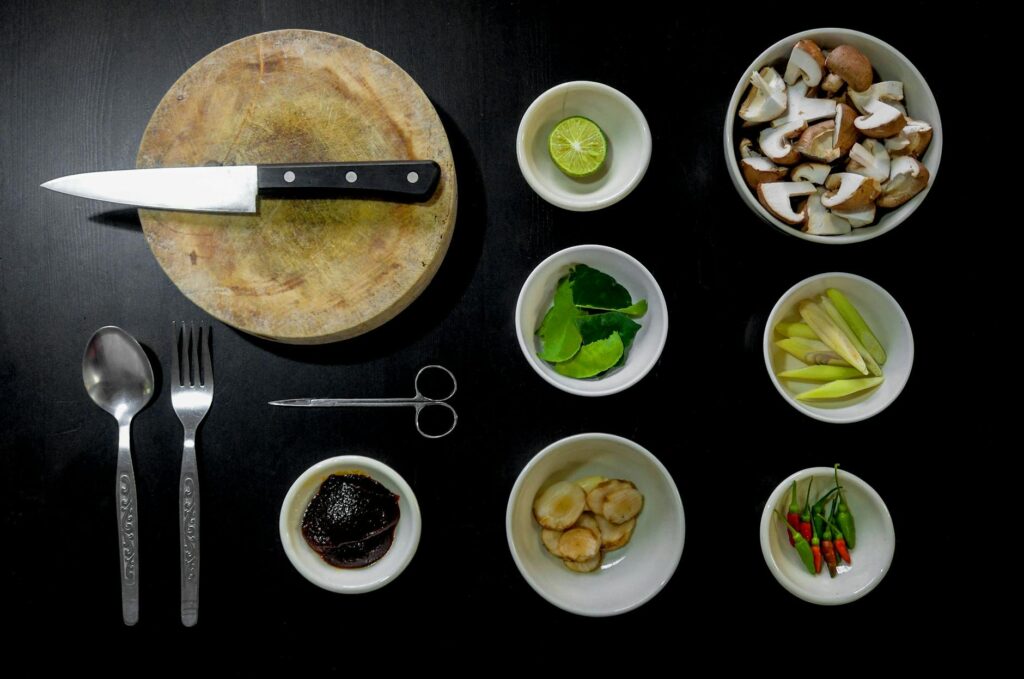
How to Store Kefir Lime
Introduction
Kefir lime, also known as Makrut lime, is a unique citrus fruit celebrated for its aromatic leaves and zesty fruit. Widely used in Southeast Asian cuisine, it imparts a distinct flavor to various dishes. Understanding how to properly store kefir lime is crucial to maintaining its freshness, flavor, and overall quality. This article delves into the storage methods, shelf life, and common misconceptions about kefir lime, ensuring that culinary enthusiasts can maximize the potential of this versatile ingredient.
What Is Kefir Lime?
Kefir lime refers to both the fruit and the leaves of the Citrus hystrix tree. The fruit is small and round, typically green, with a bumpy texture and a strong, fragrant aroma. The leaves, which are often used in cooking, are glossy and have a double leaf structure. The zest and juice of the fruit are highly aromatic, making them popular in many dishes, especially in Thai and Indonesian cuisines.
History and Origins
Kefir lime has deep roots in Southeast Asia, where it has been cultivated for centuries. It is believed to have originated in Indonesia and spread throughout the region. Traditionally, both the leaves and fruit have been used not only for culinary purposes but also in traditional medicine and as a natural remedy. The plant thrives in tropical climates, and its distinct flavor profile has made it a staple ingredient in various dishes, from curries to soups.
Production and Processing
Kefir lime is typically cultivated in tropical regions where the climate is warm and humid. The fruit is harvested when it is still green, as this is when it is most aromatic and flavorful. After harvesting, the fruit can be used fresh, dried, or processed into various culinary products.
The leaves are often stripped from the branches and can be used fresh or dried. When dried, the leaves retain much of their aromatic properties, making them useful for flavoring dishes even when the fruit is not available.
Quality and Grading
Quality kefir lime is characterized by its vibrant green color, firm texture, and strong aroma. When purchasing kefir lime, look for fruits that are unblemished and free from soft spots. The leaves should be dark green and glossy, indicating freshness.
Grading can vary based on the size and quality of the fruit and leaves. Higher-grade kefir lime is typically more aromatic and flavorful, making it more desirable for culinary applications.
Buying Considerations
When buying kefir lime, consider the following factors:
1. Freshness: Look for fruits that are firm with a strong citrus aroma. Avoid any that show signs of decay or have a dull appearance.
2. Source: Purchase from reputable suppliers or local markets that specialize in Asian ingredients to ensure quality.
3. Form: Decide whether you need fresh fruit, leaves, or dried products based on your culinary needs.
4. Seasonality: Kefir lime is typically in season during the warmer months, so availability may vary.
Uses and Applications
Kefir lime is celebrated for its versatility in the kitchen. The fruit’s zest and juice can be used in marinades, dressings, and beverages, while the leaves are often added to soups, curries, and stir-fries for an aromatic lift.
The leaves can also be infused in oils or used to flavor rice dishes, providing an exotic twist to traditional recipes. In addition to culinary applications, kefir lime is sometimes used in cosmetic products for its refreshing scent and natural properties.
Storage and Shelf Life
Proper storage of kefir lime is essential for maintaining its quality. Here are some effective storage methods:
Fresh Kefir Lime
1. Refrigeration: Fresh kefir limes should be stored in the refrigerator to prolong their shelf life. Place them in a breathable bag or container to prevent moisture accumulation. When stored correctly, they can last for about one to two weeks.
2. Freezing: For long-term storage, kefir lime can be frozen. Wash the fruit, then slice it in half and remove the seeds. Place the halves in an airtight container or freezer bag. They can be stored for up to six months. The zest can also be frozen separately, which is ideal for future culinary uses.
Fresh Leaves
1. Refrigeration: Fresh kefir lime leaves should be stored in a slightly damp paper towel, wrapped loosely in a plastic bag, and kept in the refrigerator. This method can keep the leaves fresh for about one to two weeks.
2. Freezing: Alternatively, fresh leaves can be frozen. Simply wash and dry them, then place them in an airtight container or freezer bag. Frozen leaves can retain their flavor for up to six months and are convenient for later use.
Dried Kefir Lime
Dried kefir lime, whether in leaf or powdered form, should be stored in a cool, dark place away from direct sunlight. Keep them in an airtight container to prevent moisture absorption. When stored properly, dried kefir lime can last for several months to a year, although its flavor may diminish over time.
Common Misconceptions
1. Kefir Lime vs. Regular Lime: Many people confuse kefir lime with regular lime. While both are citrus fruits, kefir lime has a unique flavor profile that is more aromatic and less acidic than conventional limes.
2. Storage Similarities: Some believe that kefir lime can be stored like ordinary limes. However, due to its delicate nature, kefir lime requires specific storage methods to maintain its quality.
3. Usage of Leaves and Fruit: Another misconception is that the fruit is the only useful part of the kefir lime. Both the leaves and the fruit are valuable in cooking, and each brings its own distinct flavor to dishes.
4. Availability: It is often thought that kefir lime is hard to find outside of Southeast Asia. However, with the increasing popularity of global cuisine, many specialty stores and Asian markets now carry this ingredient.
Frequently Asked Questions
1. How can I tell if kefir lime is fresh?
Look for firm, unblemished fruits with a vibrant green color and a strong citrus aroma.
2. Can I use dried kefir lime leaves in place of fresh ones?
Yes, dried kefir lime leaves can be used, but they will have a different intensity of flavor. It’s advisable to use a lower amount compared to fresh leaves.
3. How long can I keep kefir lime in the refrigerator?
Fresh kefir limes can last about one to two weeks in the refrigerator if stored correctly.
4. Is it necessary to wash kefir lime before storing it?
Yes, washing the fruit before storage is recommended to remove any dirt or pesticides, but ensure it is completely dry before placing it in the refrigerator.
5. Can I use kefir lime zest in baking?
Absolutely! The zest can add a unique flavor to baked goods, imparting the signature aroma of kefir lime.
6. What should I do if my kefir lime has become soft?
If the fruit has become soft but is not moldy, it may still be used; however, it is best to discard any fruit that shows signs of decay or has an off smell.
Conclusion
Storing kefir lime properly is essential for maintaining its distinctive flavor and aromatic qualities. Whether you are using the fruit or the leaves, understanding the best practices for storage can enhance your culinary experiences. With this knowledge, you can enjoy the vibrant taste of kefir lime in your dishes, whether fresh or preserved, for weeks and months to come.