
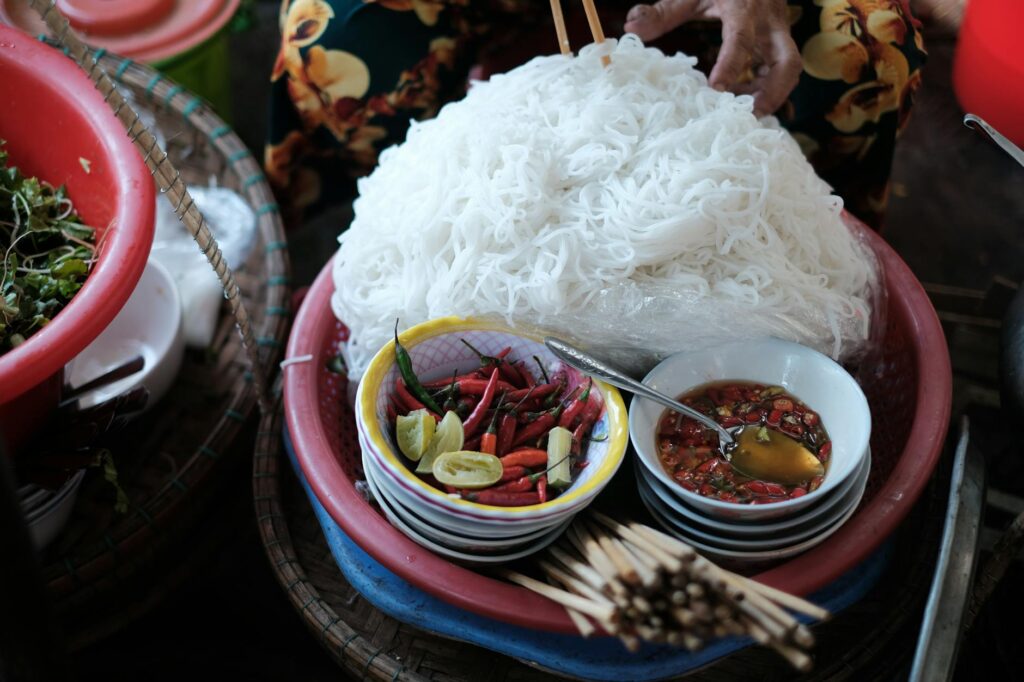
How to Store Kelp Noodles
Introduction
Kelp noodles have emerged as a popular alternative to traditional pasta and grain-based noodles, particularly among those seeking gluten-free or low-calorie options. Made from the edible seaweed known as kelp, these translucent noodles offer a unique texture and a subtle umami flavor, making them a versatile ingredient in various cuisines. However, to fully enjoy their benefits and ensure their longevity, proper storage is essential. This article delves into the intricacies of kelp noodles—covering their uses, history, production, quality assessment, and, most importantly, how to store them effectively.
What Are Kelp Noodles?
Kelp noodles are thin, translucent noodles made from the edible kelp species, primarily from the brown algae family. Known for their low caloric content and high mineral content, these noodles are often hailed as a health-conscious alternative to traditional pasta. Kelp noodles are typically gluten-free, making them suitable for individuals with gluten intolerances. Moreover, they are rich in iodine, calcium, and magnesium, which contribute to their growing popularity among health enthusiasts.
History and Origins
Kelp has been consumed for centuries in various cultures, particularly in East Asia, where it has long been regarded as a nutritious food source. The idea of producing noodles from kelp likely originated in Japan or Korea, where seaweed has been a dietary staple. As global cuisines began to converge, kelp noodles gained traction in Western countries, especially in the context of health-conscious eating and vegan diets. Today, they are widely available in health food stores and online, appealing to a broad audience looking to incorporate more sea vegetables into their meals.
Production and Processing
The production of kelp noodles involves several steps, beginning with harvesting the kelp. The most common species used is Laminaria japonica, which is harvested from clean ocean waters. After collection, the kelp is washed to remove impurities and then processed into noodles. The manufacturing process typically involves:
1. Dehydration: The fresh kelp is dehydrated to eliminate moisture, which can lead to spoilage.
2. Cutting and Shaping: The dehydrated kelp is cut into noodle shapes, either straight or spiral, depending on the desired end product.
3. Rehydration: The noodles are then soaked in water, restoring their original texture and making them ready for consumption.
4. Packaging: Finally, the noodles are packaged in airtight containers or vacuum-sealed bags to maintain freshness.
This method ensures that kelp noodles retain their nutritional value while providing a convenient food option for consumers.
Quality and Grading
When purchasing kelp noodles, it is essential to consider their quality and grading. High-quality kelp noodles should be:
- Fresh: Look for noodles that have been recently processed, as freshness can significantly impact flavor and texture.
- Translucent: A clear, translucent appearance indicates proper processing and freshness.
- Minimal Additives: Opt for products with few added ingredients; the best kelp noodles are often made with just kelp, water, and salt.
- Cool, Dry Place: Store unopened packages in a cool, dry environment, away from direct sunlight. A pantry or cupboard is ideal.
- Expiration Date: Always check the expiration date on the package. While kelp noodles have a relatively long shelf life, it is best to consume them before this date to ensure optimal quality.
- Refrigeration: Once opened, kelp noodles should be refrigerated, ideally in an airtight container to prevent moisture absorption and contamination.
- Use Within a Few Days: It is recommended to consume opened kelp noodles within 3–5 days for the best taste and texture.
- Off Smell: A sour or rancid odor indicates that the noodles have gone bad.
- Discoloration: Any significant darkening or unusual colors can be a sign of deterioration.
- Sliminess: A slimy texture is a clear indication that the noodles are no longer fresh and should be discarded.
Some brands may incorporate preservatives or artificial flavors, which can detract from the quality of the noodles. Always check the ingredient list to ensure you are getting a product that meets your standards.
Buying Considerations
When purchasing kelp noodles, consider the following factors:
1. Source: Choose brands that source their kelp from sustainable fisheries to support environmental health.
2. Packaging: Look for vacuum-sealed or airtight packaging, which helps extend the noodles’ shelf life.
3. Brand Reputation: Consider purchasing from reputable brands known for their quality and commitment to sustainability.
4. Nutritional Information: Check the nutritional labels to ensure the product aligns with your dietary preferences, especially if you are monitoring sodium or carbohydrate intake.
5. Price: Prices can vary widely; while it’s tempting to opt for cheaper options, quality often correlates with price, so invest in reputable brands.
Uses and Applications
Kelp noodles are incredibly versatile and can be used in a variety of dishes. They can be incorporated into salads, stir-fries, soups, and even served as a base for various sauces. Their neutral flavor makes them an excellent canvas for absorbing the tastes of accompanying ingredients. Additionally, they can be enjoyed raw or cooked, adding to their versatility in meal preparation.
Storage and Shelf Life
Proper storage is crucial for maintaining the quality and extending the shelf life of kelp noodles. Here are key guidelines to consider:
Unopened Packages
Opened Packages
Freezing Kelp Noodles
If you find yourself with extra kelp noodles, freezing is an option:
1. Blanching: Briefly blanch the noodles in boiling water for a minute to preserve their texture.
2. Cool Quickly: Immediately place them in an ice bath to halt the cooking process, then drain and pat dry.
3. Airtight Packaging: Store the cooled noodles in a freezer-safe bag or container, removing as much air as possible before sealing.
4. Thawing: When ready to use, thaw the noodles in the refrigerator overnight or by placing them in warm water.
Signs of Spoilage
Always inspect kelp noodles before consumption. Common signs of spoilage include:
Common Misconceptions
Despite their popularity, several misconceptions about kelp noodles persist:
1. Kelp Noodles Are Always Raw: While they can be eaten raw, kelp noodles can also be cooked. Their texture changes slightly when heated, making them suitable for warm dishes.
2. Kelp Noodles Taste Like Seaweed: While they are made from seaweed, kelp noodles have a mild flavor that does not overpower dishes. They absorb the flavors of the ingredients they are paired with.
3. Kelp Noodles Are Only for Vegan Diets: Although popular in vegan cooking, kelp noodles can complement a variety of dietary preferences and can be used in meat-based dishes as well.
4. All Kelp Noodles Are the Same: Quality and processing methods vary significantly between brands. Not all kelp noodles provide the same nutritional benefits or flavor profiles.
Frequently Asked Questions
1. Can I eat kelp noodles raw?
Yes, kelp noodles can be consumed raw. Their neutral flavor makes them an excellent addition to salads or cold dishes.
2. How do I prepare kelp noodles?
Kelp noodles require minimal preparation. Rinse them under cold water before adding them to your dish. They can be served raw or briefly heated.
3. Are kelp noodles gluten-free?
Yes, kelp noodles are gluten-free, making them a suitable option for individuals with gluten sensitivities.
4. How long do kelp noodles last once opened?
Opened kelp noodles should be consumed within 3–5 days if stored in the refrigerator in an airtight container.
5. Can I freeze kelp noodles?
Yes, you can freeze kelp noodles, but it is recommended to blanch them first. They can be stored in airtight containers or freezer bags.
6. Where can I buy kelp noodles?
Kelp noodles can be found in health food stores, Asian grocery stores, and online retailers. Always check the packaging for quality indicators before purchasing.
Conclusion
Kelp noodles are a remarkable ingredient that offers versatility and nutritional benefits. Proper storage is essential to maintaining their quality and extending their shelf life, allowing you to enjoy them in a variety of dishes. By understanding the nuances of kelp noodles—from production to storage—you can make informed choices that enhance your culinary experiences. Whether you are a seasoned chef or a home cook exploring new ingredients, kelp noodles are undoubtedly a valuable addition to your pantry.