
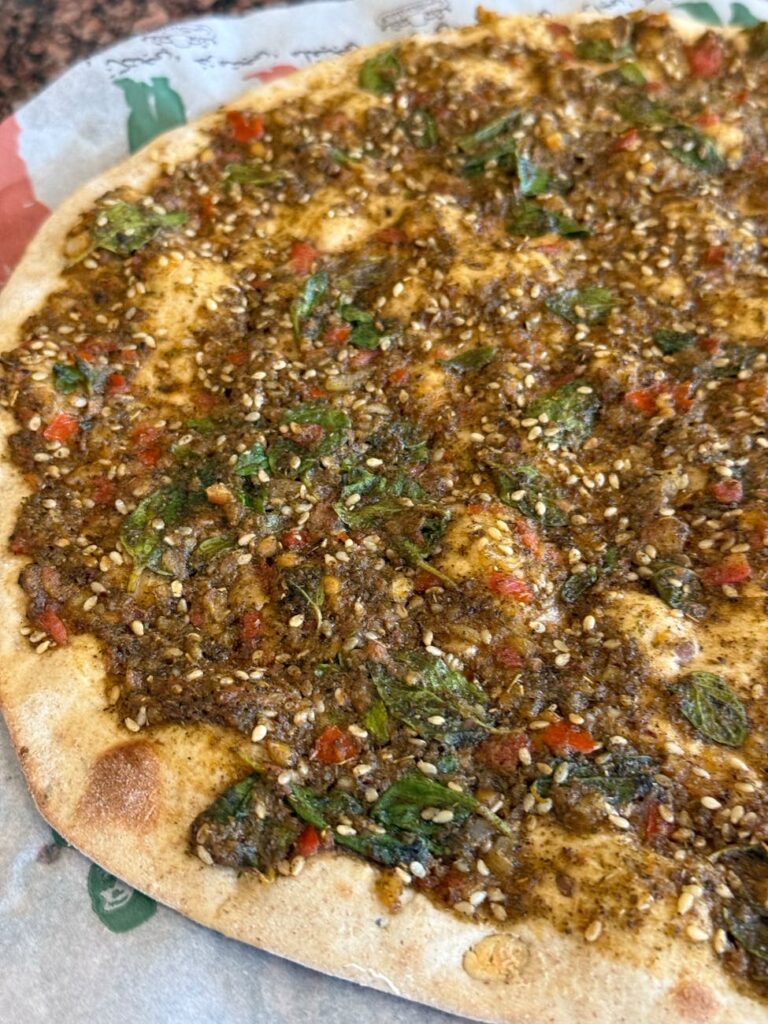
How to Store Lebanese Bread
Introduction
Lebanese bread, also known as pita or khubz, is an essential component of Middle Eastern cuisine. Its unique texture and flavor make it a versatile ingredient, suitable for an array of dishes. Proper storage is crucial to maintain its freshness and quality, ensuring that it remains a delightful accompaniment to meals. This article delves into the intricacies of storing Lebanese bread, covering everything from its history and production to practical storage tips.
What Is Uses?
In the context of Lebanese bread, “uses” refers to the various ways this ingredient can be incorporated into meals, serving as both a staple and an accompaniment. It can be used for wrapping fillings, serving as a dip for sauces, or even as a base for various toppings. Understanding the versatility of Lebanese bread enriches the culinary experience and underscores the importance of proper storage to maintain its quality.
History and Origins
The origins of Lebanese bread can be traced back thousands of years to ancient civilizations in the Middle East. This flatbread is thought to have evolved from earlier forms of bread made by nomadic tribes. The name “pita” derives from the Greek word for “bread,” but the concept of flatbreads is nearly universal. Lebanese bread holds a significant place in Middle Eastern culture, often being associated with hospitality and communal meals. Its unique texture and flavor are attributed to the traditional methods of production, which have remained largely unchanged over the centuries.
Production and Processing
Lebanese bread is typically made from a simple mixture of flour, water, yeast, and salt. The dough is allowed to rise before being flattened and baked at high temperatures. This process creates the characteristic pocket within the bread, which allows it to be stuffed with a variety of fillings. Modern production may involve industrial techniques, but many artisanal bakers continue to employ traditional methods, emphasizing quality ingredients and time-honored practices.
Quality and Grading
The quality of Lebanese bread can be assessed by its texture, flavor, and appearance. High-quality bread should be soft yet slightly chewy, with a pleasant aroma. It should have a uniform coloration, typically a light golden brown, and a well-formed pocket. Grading can vary depending on the producer, with artisanal breads often commanding higher prices due to their superior quality and craftsmanship. When purchasing Lebanese bread, look for signs of freshness, such as a soft texture and an absence of visible mold.
Buying Considerations
When buying Lebanese bread, consider the following factors to ensure a high-quality product:
1. Freshness: Always check the expiration date or ask the vendor about the bread’s production date.
2. Ingredients: Opt for breads made with minimal ingredients without preservatives for a more authentic taste.
3. Artisanal vs. Commercial: While commercial varieties are convenient, artisanal breads often provide superior flavor and texture.
4. Local Bakeries: Supporting local bakers not only ensures freshness but also promotes traditional baking methods.
Uses and Applications
Lebanese bread is incredibly versatile, serving numerous culinary purposes. Here are some common applications:
- Wraps and Sandwiches: The bread’s pocket makes it ideal for stuffing with meats, vegetables, or spreads, creating delicious wraps or sandwiches.
- Dips: Lebanese bread pairs excellently with dips like hummus, baba ghanoush, or tzatziki, allowing for easy scooping.
- Side Dish: It can serve as a side to main courses, soaking up sauces and gravies.
- Croutons: Stale Lebanese bread can be cut into cubes, toasted, and used as croutons for salads or soups.
- Duration: If you plan to consume the bread within a few days, storing it at room temperature is acceptable.
- Method: Place the bread in a paper bag or wrap it in a clean kitchen towel to allow for some air circulation. Avoid using plastic bags, as they trap moisture, leading to mold growth.
- Duration: While refrigeration can extend the shelf life of Lebanese bread, it may also alter its texture.
- Method: If you need to store the bread for more than a few days, wrap it tightly in plastic wrap or aluminum foil before placing it in the refrigerator. Be aware that refrigeration can cause the bread to become stale more quickly.
- Duration: Freezing is the best option for long-term storage, allowing you to enjoy Lebanese bread for several months.
- Method: To freeze, wrap the bread tightly in plastic wrap, followed by aluminum foil. This double wrapping helps prevent freezer burn. When ready to use, thaw the bread at room temperature or warm it in a preheated oven for a few minutes to restore its texture.
- Thawing: For best results, thaw frozen Lebanese bread in the refrigerator overnight or leave it at room temperature for a few hours.
- Reheating: To reheat, preheat your oven to 350°F (175°C). Place the bread directly on the oven rack for about 5-10 minutes until warm and soft. Alternatively, you can use a skillet over medium heat for a few minutes on each side.
Understanding these uses emphasizes the importance of proper storage to keep the bread at its best.
Storage and Shelf Life
Proper storage is vital for maintaining the freshness of Lebanese bread. Here are some guidelines to follow:
Room Temperature Storage
Refrigeration
Freezing
Thawing and Reheating
Common Misconceptions
1. Lebanese Bread Must Always Be Refrigerated
Many people believe that refrigerating bread is necessary for freshness. While refrigeration can extend shelf life, it can also lead to a stale texture. Room temperature storage is often sufficient for short-term use.
2. All Flatbreads Are the Same
Not all flatbreads are created equal. Lebanese bread has specific qualities—such as its pocket