
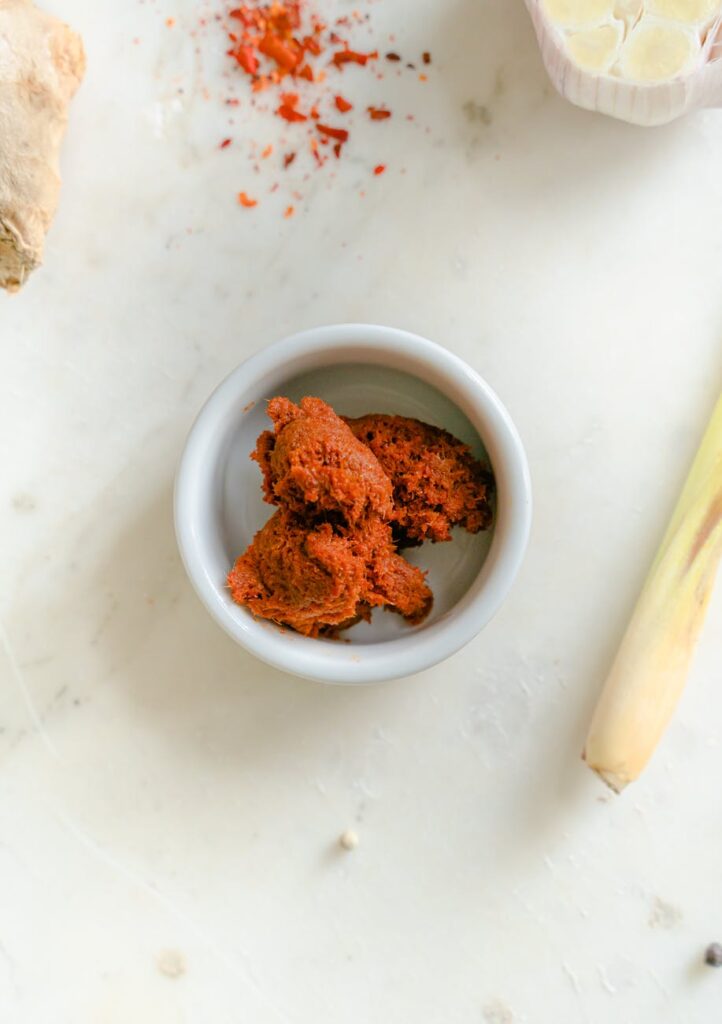
How to Store Miso
Introduction
Miso, a fermented soybean paste, has transcended its Japanese origins to become a beloved ingredient in culinary practices around the globe. Renowned for its rich umami flavor, miso serves as not just a seasoning but also a versatile component in various dishes, ranging from soups and marinades to salad dressings and glazes. However, to enjoy the full spectrum of its flavors and nutritional benefits, proper storage is essential. This article delves into the nuances of storing miso, ensuring it retains its quality and extends its shelf life.
What Is Miso?
Miso is a traditional Japanese condiment made from fermented soybeans, salt, and koji (a type of fungus used in fermentation). The fermentation process can vary in duration and conditions, resulting in different types of miso, including white (shiro), yellow (shinshu), and red (aka) miso. Each type possesses distinct flavors and can be utilized in various culinary applications.
History and Origins
Miso has a rich history that dates back over a thousand years in Japan. It is believed to have originated from China, where the fermentation of grains and legumes was first practiced. The introduction of miso to Japan is attributed to Buddhist monks who brought the technique with them. Over centuries, miso evolved into a staple in Japanese cuisine, reflecting regional variations and local ingredients. Today, it has gained international recognition, inspiring chefs and home cooks alike to incorporate its umami-rich flavor into diverse culinary traditions.
Production and Processing
The production of miso involves a meticulous fermentation process. Soybeans are soaked, steamed, and then mixed with koji—a culture of Aspergillus oryzae mold. This mixture is combined with salt and sometimes additional grains like rice or barley, depending on the desired type of miso. The mixture is then left to ferment for weeks to years, allowing the enzymes and microorganisms to develop complex flavors.
After fermentation, the miso is pasteurized and packaged. The quality of the ingredients, fermentation time, and environmental conditions significantly influence the final product’s flavor and texture.
Quality and Grading
Miso quality can vary significantly based on its production method and ingredients. High-quality miso is typically made from organic soybeans and natural ingredients without artificial additives or preservatives. Grading systems may differ by region, but generally, miso is assessed based on flavor, aroma, color, and texture. A well-crafted miso will have a balanced taste, pleasant aroma, and smooth consistency.
Buying Considerations
When purchasing miso, consider the following factors:
1. Type: Different varieties serve different culinary purposes. White miso is milder and sweeter, while red miso is richer and more robust.
2. Ingredients: Look for miso made from organic soybeans and free from artificial additives.
3. Packaging: Opt for miso sold in airtight containers to maintain freshness.
4. Local vs. Imported: While traditional Japanese miso is highly regarded, local producers may offer unique varieties that reflect regional tastes.
5. Expiration Date: Always check the expiration date to ensure freshness, as miso can lose its flavor over time, even if it remains safe to eat.
Uses and Applications
Miso is incredibly versatile, lending itself to a variety of culinary applications. It can be used in:
- Soups: Miso soup is a classic dish, often made with dashi broth, tofu, seaweed, and vegetables.
- Marinades: Miso can enhance the flavor of meats, fish, and vegetables when used as a marinade.
- Dressings: Whisking miso into salad dressings adds depth and complexity.
- Glazes: Miso glazes can enhance roasted or grilled dishes, imparting a savory richness.
- Dips and Spreads: Mixed with ingredients like tahini or yogurt, miso can create flavorful dips.
- Airtight Container: Once opened, transfer miso to an airtight container if it’s not already packaged this way. This limits exposure to air, preventing oxidation and spoilage.
- Temperature: Store miso in the refrigerator at a consistent temperature, ideally below 40°F (4°C), to slow down fermentation.
- Long-Term Storage: For extended storage, miso can be frozen. Portion it into small containers or ice cube trays, ensuring to leave some space for expansion. Once frozen, transfer to a freezer-safe bag or container.
- Thawing: When ready to use, thaw miso in the refrigerator or at room temperature. Note that freezing may slightly alter the texture, but the flavor remains intact.
- Unopened Miso: Unopened miso can last for a year or more in the refrigerator.
- Opened Miso: Once opened, miso typically retains its best quality for about 6 months to a year, although it may still be safe to eat beyond this period. Always check for changes in color, aroma, and taste.
- Signs of Spoilage: If you notice an off smell, discoloration, or a change in texture, it’s best to discard the miso.
Storage and Shelf Life
Proper storage is crucial to maintaining the quality of miso. Here are guidelines for effective storage:
Refrigeration
Freezing
Shelf Life
Common Misconceptions
Miso Must Be Cooked
While miso is often used in cooked dishes, it can also be enjoyed raw. Adding miso to dressings or dips allows you to appreciate its flavor without heating.
Miso Is Always High in Sodium
While miso does contain salt, not all miso varieties are excessively high in sodium. Some brands offer low-sodium options, allowing for more versatile usage in