
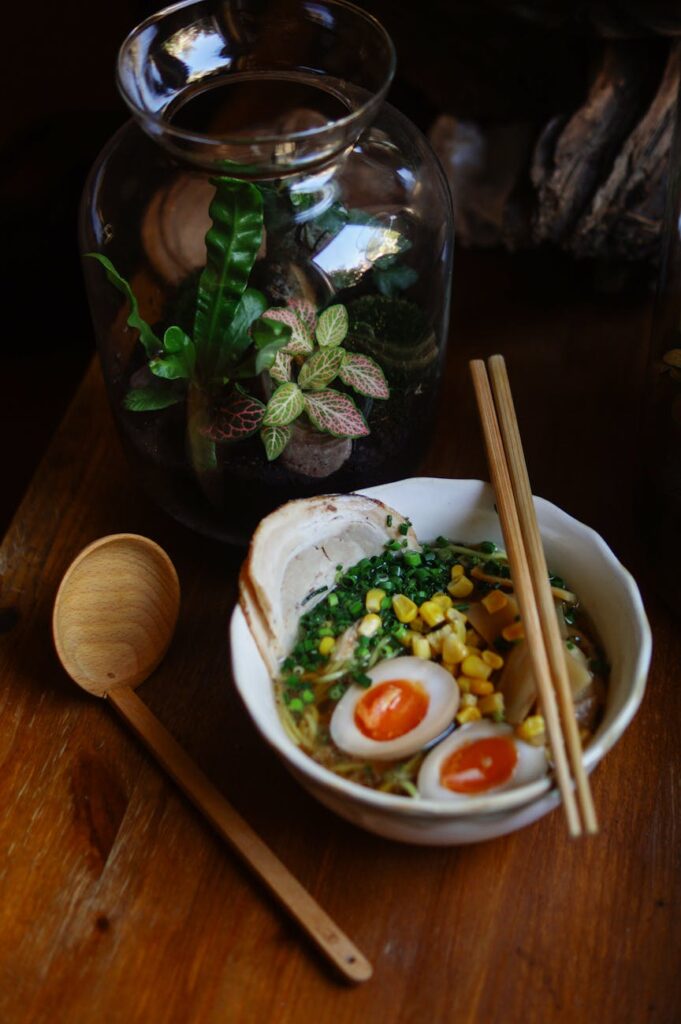
How to Store Miso Ramen Broth
Introduction
Miso ramen broth, a foundation for one of Japan’s most beloved noodle dishes, is celebrated for its rich umami flavor and versatility. As a fermented soybean product, miso serves not only as a flavor enhancer but also as a nutritional powerhouse. Understanding how to properly store miso ramen broth is essential for both maintaining its flavor profile and ensuring food safety. This article will provide a comprehensive guide on the various aspects of miso ramen broth, focusing on its uses, history, production, and proper storage techniques.
What Is Miso Ramen Broth?
Miso ramen broth is a savory liquid base made primarily from miso paste, which is a traditional Japanese seasoning produced by fermenting soybeans with salt and koji (a type of mold). This broth often includes additional ingredients such as dashi (a Japanese soup stock), vegetables, and various seasonings to enhance its complexity. The combination of miso and dashi creates a hearty and comforting broth, making it the backbone of miso ramen dishes.
History and Origins
The origins of miso can be traced back over a thousand years to ancient China, where fermented soybean products were first developed. The Japanese adopted and adapted these techniques, leading to the creation of miso as we know it today. The popularity of miso ramen began in the post-World War II era, particularly in Hokkaido, where the cold climate called for hearty and warming meals. Over time, miso ramen spread across Japan and internationally, becoming a staple in many ramen shops and households.
Production and Processing
The production of miso ramen broth typically involves several steps. First, high-quality miso paste is created by fermenting soybeans with koji and salt. This paste can vary in flavor and color, ranging from light and sweet to dark and robust. Once the miso is prepared, the broth can be made by dissolving it in hot water or dashi, followed by the addition of other ingredients such as garlic, ginger, and vegetables.
The process may also involve simmering the broth to allow the flavors to meld, ensuring a rich and complex taste. The final product may be strained to achieve a smooth consistency or left chunky, depending on personal preference and regional styles.
Quality and Grading
The quality of miso ramen broth is influenced by the quality of the miso paste used. Miso is graded based on its color, flavor profile, and fermentation duration. Light miso, or shiro miso, is milder and sweeter, while dark miso, or akamiso, offers a deeper, more robust flavor. When selecting miso for your broth, consider the intended flavor profile of your dish. High-quality miso will have a complex aroma and a balanced taste, free from additives or preservatives.
Buying Considerations
When purchasing miso ramen broth or its components, consider the following factors:
1. Type of Miso: Choose between white, red, or mixed miso based on your flavor preference.
2. Freshness: Look for miso products with a recent manufacturing date to ensure optimal flavor and quality.
3. Ingredients: Read the label to avoid products with excessive additives or preservatives.
4. Packaging: Miso is often sold in tubs or vacuum-sealed packages. Ensure the packaging is intact to maintain freshness.
Uses and Applications
Miso ramen broth is not limited to ramen alone; its applications extend to various culinary creations. Some popular uses include:
- Soup Base: Miso ramen broth can serve as a base for soups, adding depth and richness to vegetable or protein-based dishes.
- Sauces and Marinades: The broth can be utilized to create flavorful sauces or marinades for meats, tofu, and vegetables.
- Stir-fries: Incorporate miso ramen broth into stir-fried dishes to enhance flavor and add moisture.
- Grains: Use the broth to cook grains such as rice or quinoa for an enriched taste.
Storage and Shelf Life
Proper storage of miso ramen broth is crucial for preserving its flavor and preventing spoilage. Here are some guidelines for storing both homemade and commercially prepared miso ramen broth:
Refrigeration
1. Homemade Broth: After cooking, allow the broth to cool to room temperature before transferring it to an airtight container. Store it in the refrigerator, where it can last for up to one week.
2. Commercially Prepared Broth: Always check the manufacturer’s instructions for storage. Generally, once opened, it should also be kept in the refrigerator and consumed within a week.
Freezing
Freezing is an excellent option for extending the shelf life of miso ramen broth:
1. Portioning: Divide the broth into smaller portions using ice cube trays or freezer-safe containers. This allows for easy thawing and prevents waste.
2. Storage Duration: Properly frozen miso ramen broth can last for up to three months. However, for optimal flavor, it’s best consumed within one month.
3. Thawing: When ready to use, thaw the broth in the refrigerator overnight or place it in a pot over low heat until it melts. Avoid microwaving, as this can alter the texture and flavor.
Signs of Spoilage
No matter how well you store miso ramen broth, it’s important to check for signs of spoilage. Look for changes in color, off odors, or a sour taste. If any of these signs are present, discard the broth.
Common Misconceptions
Miso Broth Does Not Require Refrigeration
Some may believe that miso broth can be stored at room temperature, particularly due to the preservation properties of miso. However, once the broth is prepared, it must be refrigerated to prevent bacterial growth