
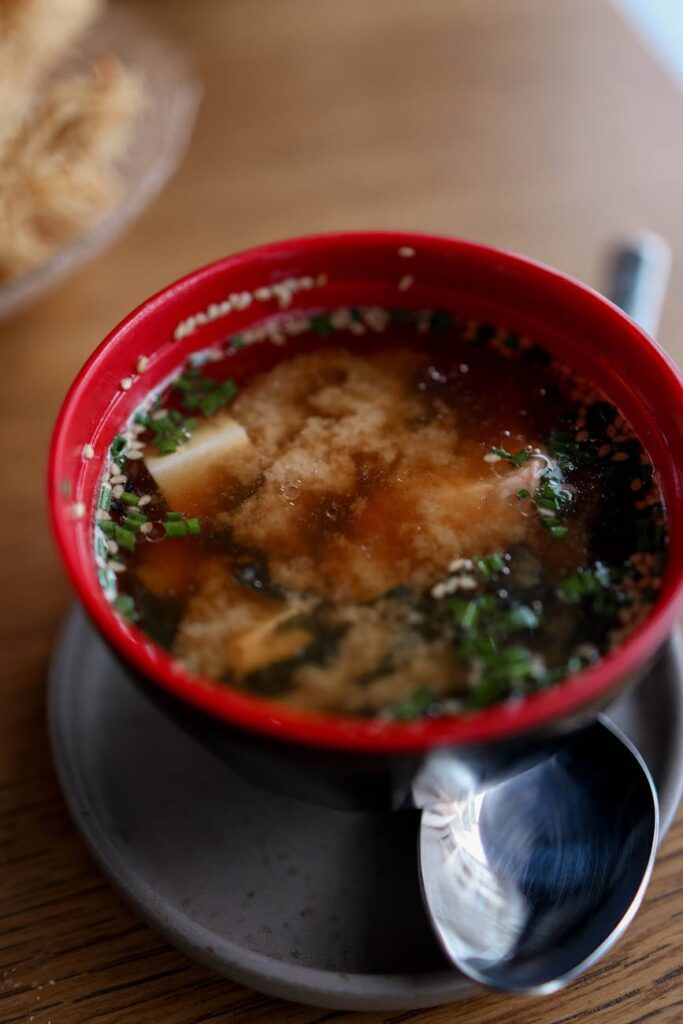
How to Store Miso Soup
Introduction
Miso soup, a staple in Japanese cuisine, is renowned for its umami flavor and versatility. While often enjoyed fresh, understanding the best methods to store this delightful dish can extend its shelf life and maintain its quality. This article delves into the intricacies of storing miso soup, ensuring that you can enjoy this comforting dish whenever the craving strikes.
What Is Miso Soup?
Miso soup is a traditional Japanese soup made from dashi (a type of broth) and miso paste, which is fermented soybean paste. It often includes ingredients such as tofu, seaweed, vegetables, and sometimes fish or meat. The result is a savory, nutrient-rich soup that is both comforting and nourishing. Miso itself comes in various types, including white, red, and mixed, each imparting unique flavors to the soup.
History and Origins
The origins of miso soup date back over a thousand years to ancient China, where fermented soy paste was first developed. The concept was introduced to Japan in the 7th century, and over the centuries, it evolved into the iconic dish we recognize today. Traditionally consumed as a part of the Japanese breakfast, miso soup has become popular worldwide, celebrated for its health benefits and adaptability.
Production and Processing
Miso is made through a fermentation process that involves soybeans, salt, and a mold called koji. The soybeans are soaked, steamed, and mashed before being mixed with koji and salt. This mixture is then left to ferment for a duration ranging from a few months to several years, depending on the desired flavor profile and texture. Once the miso is ready, it can be combined with dashi to create miso soup.
Dashi can be made from various ingredients, including dried bonito flakes, kelp, or shiitake mushrooms, contributing to the soup’s rich umami flavor. The combination of miso and dashi not only creates a delicious soup but also highlights the importance of fermentation and umami in Japanese cuisine.
Quality and Grading
The quality of miso soup is largely dependent on the ingredients used, particularly the miso paste and dashi. High-quality miso will have a vibrant color, a rich aroma, and a balanced flavor profile. When assessing the quality of miso paste, look for the following indicators:
- Color: Miso can range from light beige to deep brown. Lighter misos are generally sweeter, while darker varieties are more robust.
- Texture: The paste should be smooth and creamy, without excessive graininess or dryness.
- Aroma: Fresh miso has a pleasant, slightly sweet scent. An off or rancid smell indicates spoilage.
- Type of Miso: Choose the type of miso that suits your taste preferences; white miso for sweetness, red miso for a robust flavor, or a blend for complexity.
- Ingredients: Opt for products with minimal additives. Authentic miso should primarily contain soybeans, koji, and salt.
- Packaging: Miso paste is often sold in airtight containers or vacuum-sealed packages. Ensure the packaging is intact to maintain freshness.
- Storage Instructions: Pay attention to any specific storage guidelines provided on the packaging, as they can vary based on the product.
- Base for Stews: Miso soup can act as a flavorful base for various stews and soups, enhancing the overall taste.
- Marinades and Sauces: The rich umami flavor of miso makes it an excellent ingredient for marinades and dressings, adding depth to meats and vegetables.
- Cooking Liquid: Miso can be mixed with water or broth to create a cooking liquid for grains, imparting flavor to rice, quinoa, or noodles.
- Dipping Sauce: By thinning miso with additional liquid, it can be transformed into a savory dipping sauce for vegetables or dumplings.
- Stovetop: Reheat on low heat, stirring occasionally to ensure even warming. Avoid boiling, as high temperatures can alter the soup’s flavor and texture.
- Microwave: For convenience, use a microwave in short intervals, stirring in between to ensure even heating.
- Miso Soup Cannot Be Frozen: While the texture may change slightly upon thawing, miso soup can indeed be frozen without significant loss of flavor.
- Stored Miso Soup Loses All Nutrients: While some nutrients may diminish over time, miso soup still retains many of its beneficial properties even after a few days in the fridge.
- All Types of Miso Paste Have the Same Shelf Life: Different types of miso have varying shelf lives. Generally, darker miso can last longer due to its higher salt content.
When evaluating dashi, consider its clarity and depth of flavor, which will significantly enhance the miso soup.
Buying Considerations
When purchasing miso paste or pre-made miso soup, consider the following:
Uses and Applications
Miso soup is not only delightful on its own, but it also serves multiple culinary purposes. Its uses include:
Storage and Shelf Life
Storing miso soup properly ensures its quality and extends its shelf life. Here are some essential guidelines for effective storage:
Refrigeration
1. Immediate Cooling: After preparing miso soup, allow it to cool to room temperature. Avoid leaving it out for extended periods to prevent bacterial growth.
2. Airtight Containers: Transfer the cooled soup into airtight containers. Glass or BPA-free plastic containers are ideal choices as they minimize the risk of contamination.
3. Refrigerator Storage: Store the miso soup in the refrigerator, where it can typically last for 3 to 5 days. However, the flavor may change over time, becoming more potent as the ingredients continue to meld.
Freezing
If you want to extend the shelf life of miso soup even further, consider freezing it:
1. Portioning: Divide the soup into individual portions to make reheating easier. Use freezer-safe containers or heavy-duty freezer bags to prevent freezer burn.
2. Labeling: Clearly label each container or bag with the date and contents to keep track of storage time.
3. Freezing Time: Miso soup can be frozen for up to 3 months. Beyond this period, while it may still be safe to eat, the quality may decline.
Reheating
When reheating miso soup, it’s crucial to do so gently to preserve the flavors:
Common Misconceptions
There are several myths surrounding the storage of miso soup:
Frequently Asked Questions
1. Can I store miso soup in the fridge for a week?
Yes, miso soup can typically be stored in the refrigerator for 3 to 5 days. For optimal taste, consume it within this time frame.
2. What is the best way to reheat miso soup?
The best way to reheat miso soup is on the stovetop over low heat. This method preserves the flavors and prevents boiling, which can alter the taste.
3. Can I freeze miso soup with tofu in it?
Yes, you can freeze miso soup with tofu. However, be aware that the texture of the tofu may change after thawing, becoming slightly spongy.
4. How can I tell if miso soup has gone bad?
Signs that miso soup has spoiled include an off smell, altered color, or the presence of mold. If you notice any of these signs, it is best to discard the soup.
5. Is it safe to store miso soup in a metal container?
While it is safe to store miso soup in metal containers, it is advisable to use glass or BPA-free plastic to avoid any potential reaction with the miso.
6. Can I make miso soup in bulk and store it?
Absolutely! Making miso soup in bulk is efficient. Just ensure to follow proper cooling and storage guidelines to maintain its quality.
Conclusion
Understanding how to store miso soup effectively ensures that you can enjoy this beloved dish at its best. Whether you choose to refrigerate or freeze, adhering to proper storage practices will help maintain the quality, flavor, and nutritional benefits of this versatile soup. Armed with this knowledge, you can savor miso soup whenever the craving strikes, whether it’s a quick meal or a comforting bowl on a chilly day.