
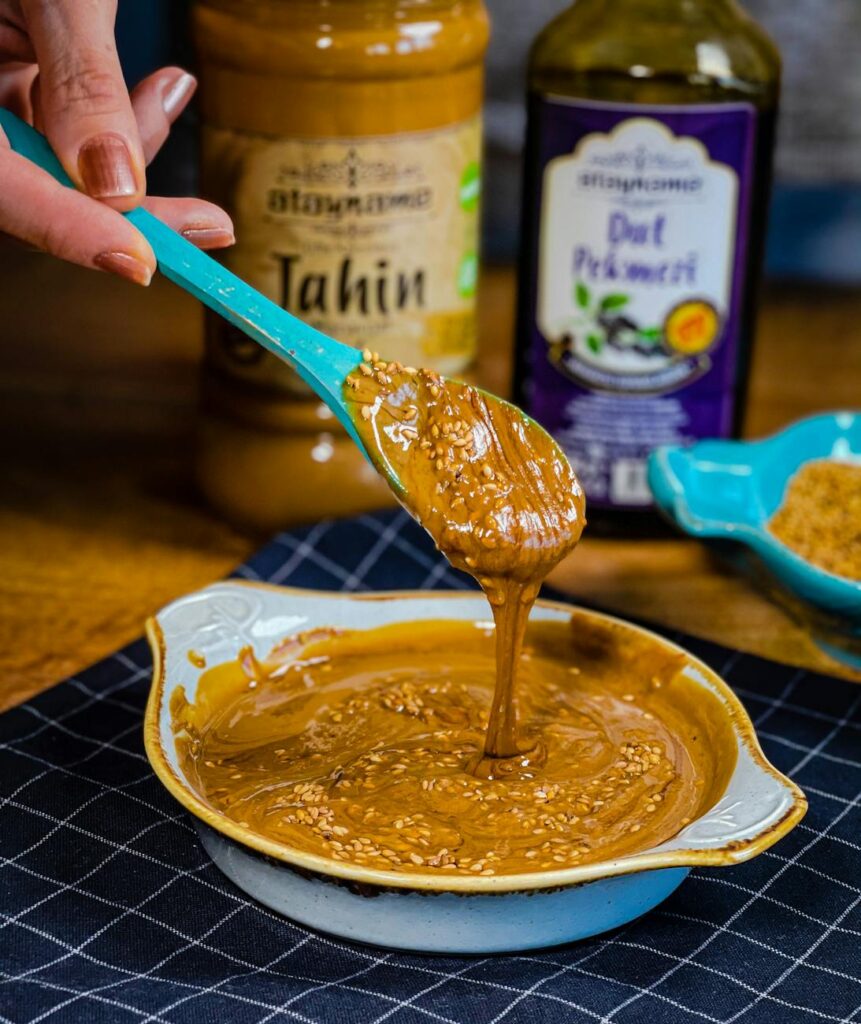
How to Store Miso Tahini
Introduction
Miso tahini, a harmonious blend of two celebrated ingredients, combines the umami richness of miso with the creamy texture of tahini. This versatile paste is increasingly popular in various culinary applications, from dips to dressings, due to its unique flavor profile and nutritional benefits. To fully enjoy the delights of miso tahini, understanding how to store it properly is essential. This article delves into the intricacies of miso tahini, including its uses, history, production, and most importantly, the best practices for storage.
What Is Miso Tahini?
Miso tahini is a paste made from two primary ingredients: miso, a fermented soybean paste that originates from Japan, and tahini, a paste made from ground sesame seeds. The combination results in a rich, savory product that is packed with flavor and nutrients. Miso tahini is often used in various cuisines, particularly in fusion dishes that blend Eastern and Western culinary traditions. Its flavor can vary based on the types of miso and tahini used, ranging from sweet and nutty to salty and tangy.
History and Origins
The origins of miso can be traced back over a thousand years to ancient China, where it was known as “jiang.” It found its way to Japan around the 7th century, evolving into the various types of miso we know today. Tahini has a similarly rich history, believed to have originated in the Middle East. The combination of these two ingredients is relatively modern, reflecting global culinary trends and the growing appreciation for fusion cuisine.
The blending of miso and tahini not only creates a unique flavor but also highlights the cultural significance of fermented foods, which have been staples in many diets around the world for centuries.
Production and Processing
The production of miso involves fermenting soybeans with specific strains of mold, yeast, and bacteria. This fermentation process can take anywhere from a few weeks to several years, resulting in various types of miso, including white, yellow, and red miso, each with distinct flavors and characteristics.
Tahini, on the other hand, is produced by grinding hulled sesame seeds into a smooth paste. The quality of tahini can vary based on the type of sesame seeds used and the processing methods involved.
When combining these two ingredients, the resulting miso tahini can vary in flavor and texture based on the specific types of miso and tahini used, as well as any additional ingredients that may be added during production.
Quality and Grading
Quality and grading of miso tahini are crucial for culinary applications. The grading often depends on the types of miso and tahini used, with factors such as color, aroma, and flavor playing significant roles.
1. Miso Quality: Look for miso that has a rich color and a pleasant aroma. Higher-quality miso typically has a more complex flavor profile, influenced by the fermentation process.
2. Tahini Quality: Good tahini should be made from freshly ground sesame seeds, with a smooth texture and a nutty aroma.
When selecting miso tahini, consider the overall balance of flavor between the two components, which will significantly affect your culinary outcomes.
Buying Considerations
When purchasing miso tahini, several factors should be considered:
- Ingredients: Check the ingredient list to ensure there are no unnecessary additives or preservatives.
- Type of Miso: Different miso varieties (white, yellow, red) will impart different flavors.
- Type of Tahini: Opt for tahini made from organic, non-GMO sesame seeds for better flavor and quality.
- Packaging: Choose products that are well-packaged to maintain freshness and prevent contamination.
- Origin: Consider sourcing miso tahini from reputable brands known for quality ingredients and traditional production methods.
- Dressings: Combine with vinegar or oil for a flavorful salad dressing.
- Dips: Serve as a dip for vegetables or crackers.
- Spread: Use as a spread on sandwiches or toast.
- Marinades: Mix with other ingredients to create a savory marinade for proteins.
- Soups and Stews: Stir into soups or stews for added depth of flavor.
- Cool, Dark Place: Store unopened jars in a cool, dark cupboard away from direct sunlight.
- Expiration Date: Always check the expiration date on the packaging. Unopened miso tahini can last for several months to a year depending on the brand and ingredients.
- Refrigeration: Once opened, miso tahini should be refrigerated to prolong its shelf life. The cool temperature helps slow down the oxidation process, which can affect flavor and texture.
- Airtight Container: Store in an airtight container to prevent moisture absorption and contamination. This is especially important for preventing the growth of mold, which can occur in damp environments.
- Shelf Life: Generally, opened miso tahini can last for 4 to 6 months in the refrigerator. Always check for changes in smell, color, or texture before use.
- Portioning: Consider portioning miso tahini into small containers or ice
Uses and Applications
Miso tahini is incredibly versatile and can be used in various culinary applications:
The unique flavor profile of miso tahini allows it to be utilized in both traditional and modern dishes, making it an essential ingredient for adventurous cooks.
Storage and Shelf Life
Proper storage is crucial for maintaining the quality and flavor of miso tahini. Here are some key guidelines:
Unopened Miso Tahini
Opened Miso Tahini
Freezing Miso Tahini
For those who wish to store miso tahini for an extended period, freezing is an option: