
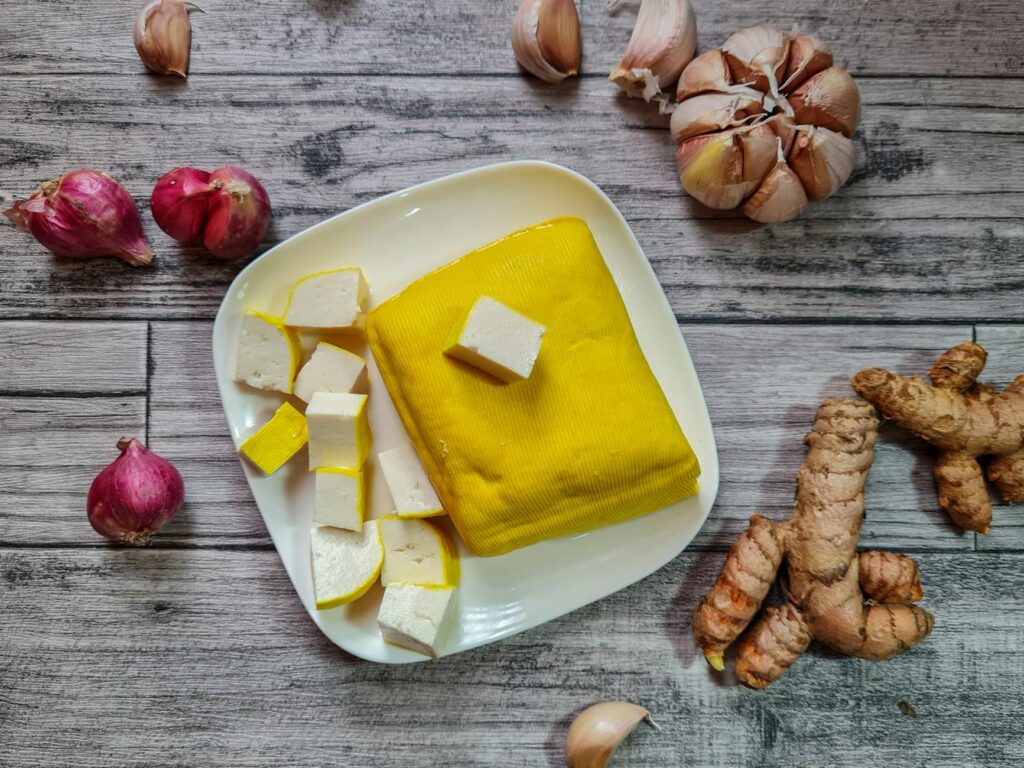
How to Store Miso Tofu Skin
Introduction
Miso tofu skin, often referred to as “yuba” or “tofu skin,” is a remarkable ingredient in Asian cuisine, particularly in Japanese and Chinese culinary traditions. Known for its delicate texture and protein-rich composition, it serves as a versatile component in various dishes. However, to fully appreciate its gastronomic potential, proper storage practices are essential. This article delves into the nuances of storing miso tofu skin, ensuring that it retains its flavor and texture for culinary applications.
What Is Miso Tofu Skin?
Miso tofu skin is derived from soy milk, created during the tofu-making process. When soy milk is heated, a thin film forms on the top, which is then carefully lifted off and dried. This unique product is rich in protein and contains various essential amino acids, making it a valuable addition to both vegetarian and non-vegetarian diets. It can be used in various preparations, from soups and salads to stir-fries and sushi.
History and Origins
The origins of miso tofu skin can be traced back to ancient China, where tofu was first developed over 2,000 years ago. The technique of creating yuba as a byproduct of tofu production later spread to Japan, where it gained popularity. In Japan, yuba is often associated with Buddhist vegetarian cuisine, reflecting the cultural emphasis on plant-based meals. The ingredient has since evolved into a staple in many Asian cuisines, celebrated not only for its flavor but also for its nutritional benefits.
Production and Processing
The production of miso tofu skin involves a meticulous process that begins with high-quality soybeans. These beans are soaked, ground, and boiled to extract soy milk. As the milk simmers, a layer of protein coagulates on the surface, forming the tofu skin. Once removed, it can be further processed: either dried into sheets or left fresh. The drying process enhances its shelf life and intensifies its flavor. Quality control during this stage is crucial, as the texture and taste of the final product depend significantly on the production methods employed.
Quality and Grading
When it comes to miso tofu skin, quality can vary significantly based on several factors, including the type of soybeans used, the production method, and the drying process. Premium yuba is often characterized by a delicate texture and a pale golden color. Grading systems may vary by region, but generally, higher grades are associated with a better flavor profile and texture. When purchasing, look for products that are free from additives and preservatives, as these can affect the natural taste and quality of the tofu skin.
Buying Considerations
When selecting miso tofu skin, consider the following:
1. Fresh vs. Dried: Fresh yuba has a soft, pliable texture and must be refrigerated. Dried yuba, on the other hand, has a longer shelf life and requires rehydration before use.
2. Quality Indicators: Look for products that specify the type of soybeans used. Organic and non-GMO options are generally preferable.
3. Packaging: Ensure that the packaging is intact and free from any moisture or damage. Vacuum-sealed packages can extend the shelf life of dried yuba.
4. Expiration Dates: Always check the expiration date to ensure freshness, especially for refrigerated products.
5. Local vs. Imported: Depending on your location, local producers may offer fresher options compared to imported products.
Uses and Applications
Miso tofu skin is celebrated for its versatility in culinary applications. It can be used in various forms, including:
- Soups and Stews: Its ability to absorb flavors makes it an excellent addition to broths, imparting a rich, umami taste.
- Stir-Fries: When sliced into strips, yuba can provide a chewy texture that complements vegetables and proteins.
- Salads: Fresh yuba can be used as a base for salads, offering a unique texture and flavor that enhances other ingredients.
- Sushi Rolls: In vegan sushi, yuba serves as a flavorful wrap, contributing protein and texture.
- Desserts: In some cultures, yuba is used in sweet dishes, often paired with fruits or sweet sauces.
Understanding how to properly store miso tofu skin is critical to maintaining its quality for these diverse applications.
Storage and Shelf Life
Fresh Miso Tofu Skin
Fresh miso tofu skin should be stored in the refrigerator, ideally in an airtight container to prevent it from absorbing any odors from other foods. It typically lasts around 3 to 5 days when stored correctly. If you find yourself unable to use it within this time frame, consider freezing it. To freeze, wrap it tightly in plastic wrap or place it in a freezer-safe bag, ensuring that as much air as possible is removed. Frozen yuba can last for up to 6 months.
Dried Miso Tofu Skin
Dried miso tofu skin has a significantly longer shelf life, often lasting up to a year when stored in a cool, dry place away from direct sunlight. Once opened, it is advisable to keep the dried yuba in an airtight container to maintain its quality. If humidity is a concern, consider adding a silica gel pack to the container to absorb moisture.
Rehydrating Dried Miso Tofu Skin
Before using dried miso tofu skin, it must be rehydrated. Soak it in warm water for about 15 to 30 minutes until it softens, then drain and squeeze out excess water. Proper rehydration is critical for achieving the desired texture in your dishes.
Common Misconceptions
One common misconception about miso tofu skin is that it is the same as tofu. While both originate from soybeans, their production processes and textures differ significantly. Tofu is made by coagulating soy milk, while yuba is a byproduct