
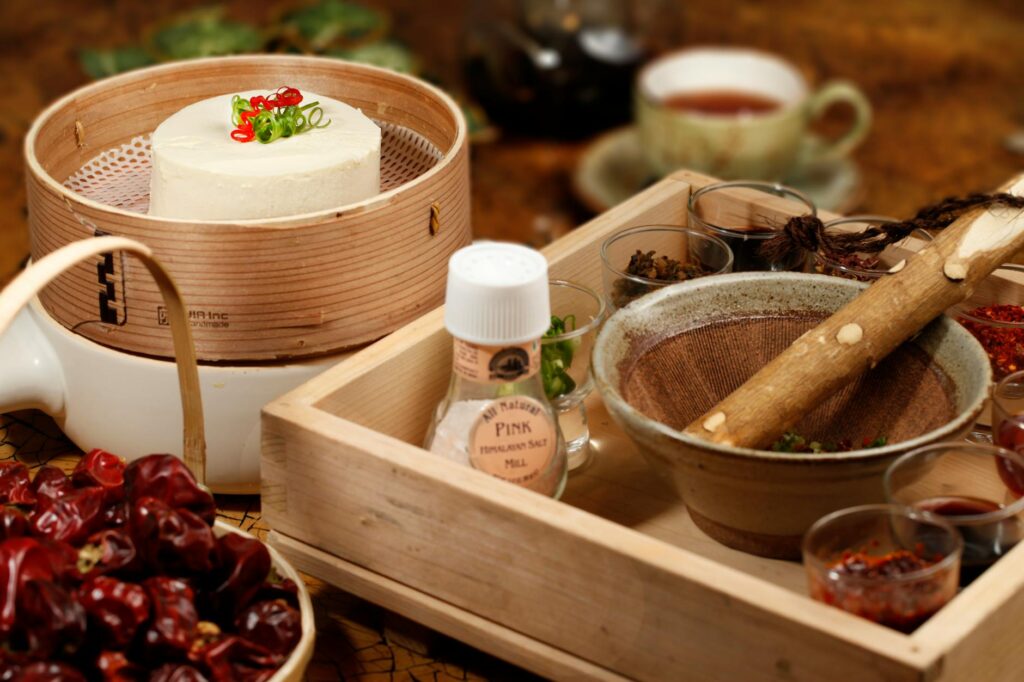
How to Store Miso Tofu
Introduction
Miso tofu, a delightful fusion of two iconic ingredients, combines the rich, savory flavors of miso paste with the soft, delicate texture of tofu. This ingredient has gained popularity in various culinary traditions around the world, particularly in Asian cuisines. Understanding how to store miso tofu properly is essential for maintaining its quality, flavor, and safety. In this article, we will explore the various aspects of miso tofu, including its uses, history, production, and, most importantly, effective storage methods.
What Is Miso Tofu?
Miso tofu is a unique food product that blends miso, a fermented soybean paste, with tofu, which is made from soy milk. The result is a versatile ingredient that offers a rich umami flavor profile and a creamy texture, making it suitable for various dishes. Miso tofu is often used in soups, salads, stir-fries, and marinades, adding depth and character to both vegetarian and non-vegetarian recipes.
History and Origins
The origins of miso can be traced back to ancient China, where it was first developed as a way to preserve food. The technique of fermentation was later adopted by the Japanese, who perfected the art of miso production. Miso has been an integral part of Japanese cuisine for centuries, often used in traditional dishes such as miso soup.
Tofu, on the other hand, has its roots in China, dating back over 2,000 years. It was introduced to Japan in the 8th century and quickly became a staple in Japanese cooking. The combination of these two ingredients—miso and tofu—represents a marriage of flavors and textures that reflects the culinary traditions of East Asia.
Production and Processing
The production of miso tofu involves several steps. Miso is made by fermenting soybeans, rice, or barley with a specific type of mold known as Aspergillus oryzae. This fermentation process can take anywhere from a few weeks to several years, depending on the desired flavor profile. Once the miso is ready, it is blended with fresh tofu, which is made by coagulating soy milk and pressing it into blocks.
The quality of miso tofu is largely determined by the quality of the miso used and the method of tofu production. Artisanal producers often focus on using organic, non-GMO soybeans, which results in a more flavorful and nutritious product.
Quality and Grading
Miso tofu can vary significantly in quality depending on the ingredients and methods used in its production. When purchasing miso tofu, it’s important to look for products that use high-quality miso and fresh tofu. The grading of miso tofu is generally determined by factors such as texture, flavor intensity, and overall freshness.
High-quality miso tofu will have a consistent creamy texture, a well-balanced umami flavor, and a pleasant aroma. Labels that indicate organic or non-GMO certification can also be indicators of superior quality.
Buying Considerations
When buying miso tofu, several factors should be considered:
1. Type of Miso: Different types of miso (white, yellow, red) have varying flavor profiles. Choose a type that suits your culinary needs.
2. Tofu Texture: Miso tofu may come in soft, firm, or extra-firm varieties. The choice will depend on your intended use.
3. Packaging: Look for vacuum-sealed or refrigerated packaging, which helps maintain freshness. Ensure that the packaging is intact to avoid contamination.
4. Expiration Date: Always check the expiration or “best by” date to ensure that you are purchasing a fresh product.
5. Ingredient List: Opt for miso tofu with minimal additives and preservatives. Quality products will typically have a short and recognizable ingredient list.
Uses and Applications
Miso tofu is a versatile ingredient that can be employed in various culinary applications. Its rich flavor and creamy texture make it suitable for:
- Soups and Broths: Miso tofu can be added to soups for an extra depth of flavor. Its creaminess enhances the overall texture of the broth.
- Salads: Crumbled or cubed miso tofu can serve as a protein-rich addition to salads, providing both taste and texture.
- Stir-Fries: It can be incorporated into stir-fries, absorbing the flavors of the other ingredients while adding its unique umami note.
- Marinades and Dips: Miso tofu can be blended into marinades or dips, enhancing the flavor profile of grilled or roasted vegetables.
- Smoothies and Spreads: Its creamy consistency makes miso tofu an excellent addition to smoothies or as a base for spreads.
- Unopened Packages: Miso tofu can typically be stored in the refrigerator for several months if left unopened. Always check the expiration date for guidance.
- Opened Packages: Once opened, miso tofu should be consumed within 5 to 7 days for optimal flavor and freshness. Ensure it is tightly sealed in an airtight container to prevent exposure to air and moisture.
- Freezing Miso Tofu: Miso tofu can be frozen to extend its shelf life. However, freezing may alter its texture, making it more crumbly when thawed. For best results, slice or cube the tofu before freezing and store it in an airtight container or freezer bag.
- Thawing: To thaw frozen miso tofu, place it in the refrigerator overnight or submerge it in cold water for quicker thawing. Avoid using a microwave, as this can further affect the texture.
- Consistent Temperature: It is essential to keep miso tofu at a consistent temperature. Avoid frequent opening of the refrigerator door, which can lead to temperature fluctuations.
- Avoid Direct Sunlight: Store miso tofu away from direct sunlight and heat sources to maintain its quality.
Storage and Shelf Life
Storing miso tofu properly is crucial for maintaining its freshness and flavor. Here are essential guidelines for effective storage:
Refrigeration
Freezing
Temperature Control
Common Misconceptions
1. Miso Tofu Is Only for Asian Dishes: While miso tofu is a staple in Asian cuisines, its versatility allows it to be incorporated into a wide range of dishes, including Western cuisine.
2. Miso Tofu Can Be Stored Indefinitely: Like most food products, miso tofu has a limited shelf life. Proper storage is essential to keep it fresh and safe for consumption.
3. Freezing Ruins Miso Tofu: While freezing can change the texture, many people find it acceptable for use in cooked dishes where the texture is less noticeable.
4. All Miso Is the Same: Different types of miso have distinct flavors and uses. Understanding these differences can enhance culinary applications.
Frequently Asked Questions
1. Can I eat miso tofu after the expiration date?
While it may still be safe to consume a short time after the expiration date, it is essential to check for any signs of spoilage, such as off odors or unusual textures.
2. How long can I keep opened miso tofu in the refrigerator?
Opened miso tofu should typically be consumed within 5 to 7 days for optimal quality.
3. Can miso tofu be frozen without affecting its quality?
Yes, miso tofu can be frozen, but it may have a crumbly texture upon thawing. It is best used in cooked dishes where texture is less of a concern.
4. Is it necessary to drain miso tofu before using it?
Draining miso tofu is generally not necessary, but if it seems too watery or if you prefer a firmer texture, you may choose to press it gently to remove excess moisture.
5. How can I tell if miso tofu has gone bad?
Signs of spoiled miso tofu include off smells, discoloration, or a slimy texture. If you notice any of these signs, it’s best to discard it.
6. Can I use expired miso tofu if it looks and smells fine?
While it may still be safe, consuming expired food products carries some risk. Always use your best judgment and prioritize safety.
Conclusion
Proper storage of miso tofu is crucial for maintaining its flavor, texture, and safety. By understanding the various aspects of this unique ingredient—from its origins and production to its uses and storage techniques—you can enhance your culinary experience with miso tofu. Whether used in soups, salads, or stir-fries, miso tofu offers a rich umami flavor that can elevate any dish. By following the guidelines outlined in this article, you can ensure that your miso tofu remains fresh and delicious for all your culinary endeavors.