
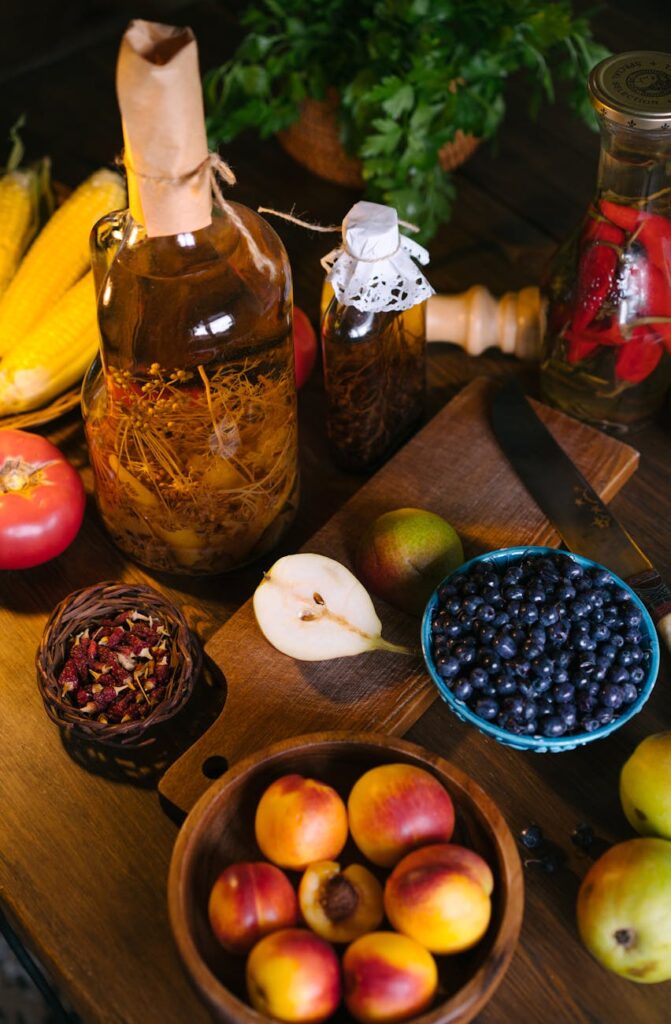
How to Store Nectarines
Introduction
Nectarines, with their smooth skin and sweet, juicy flesh, are a beloved stone fruit that offers a delightful burst of flavor during the warmer months. Their versatility makes them suitable for a variety of culinary uses, from fresh eating to incorporation into dishes. However, to fully appreciate their taste and texture, proper storage is essential. This article delves into the best practices for storing nectarines, ensuring that this delicious fruit remains fresh and flavorful for as long as possible.
What Is Uses?
“Uses” refers to the various applications and culinary roles that an ingredient can fulfill. In the case of nectarines, their uses extend beyond mere consumption as a fruit. They are utilized in salads, desserts, and sauces, and can even be preserved through canning or freezing. Understanding how to properly store nectarines enhances their utility and enjoyment, allowing them to shine in various dishes.
History and Origins
Nectarines are believed to have originated in China over 2,000 years ago, where they were cultivated for their sweet flavor and unique texture. The fruit is actually a smooth-skinned variant of peaches, both belonging to the species Prunus persica. As trade routes expanded, nectarines made their way to Europe and eventually to the Americas, where they became popular among fruit enthusiasts. The cultivation of nectarines has evolved over the centuries, leading to various cultivars that cater to diverse tastes and growing conditions.
Production and Processing
Nectarines thrive in temperate climates, with major production regions including California, Italy, and Spain. These areas provide the ideal conditions for growing, ripening, and harvesting nectarines. The fruit is typically harvested in late summer when it reaches optimal sweetness.
Post-harvest, nectarines undergo several processing stages, including grading, packing, and shipping. The handling of nectarines is crucial at this stage; any bruising or damage can significantly affect quality. To maintain their quality during transport, nectarines are often stored in temperature-controlled environments.
Quality and Grading
The quality of nectarines is assessed based on several factors, including size, color, firmness, and absence of blemishes. The United States Department of Agriculture (USDA) has established grading standards for nectarines, which categorize them into U.S. Fancy, U.S. No. 1, and U.S. No. 2. U.S. Fancy nectarines are the highest quality, exhibiting superior color and firmness, while U.S. No. 2 may have slight imperfections but are still suitable for consumption. Recognizing these grading standards can help consumers select the best nectarines for their needs.
Buying Considerations
When purchasing nectarines, several factors should be considered to ensure the best quality:
1. Ripeness: Look for nectarines that yield slightly to gentle pressure. A firm fruit indicates it is not yet ripe, while a very soft fruit may be overripe.
2. Color: Choose nectarines with vibrant color and a slight blush that signals ripeness. The skin should be smooth and free from blemishes.
3. Aroma: A ripe nectarine will exude a sweet fragrance. If there is little to no aroma, the fruit may not be fully ripened.
4. Seasonality: Nectarines are generally in season from late spring to early fall. Purchasing them during this period will yield the freshest fruit.
5. Origin: Local or regional nectarines are often fresher than those shipped long distances. Check labels for information on origin.
Uses and Applications
Nectarines are remarkably versatile and can be utilized in various culinary applications:
- Fresh Eating: Enjoy nectarines raw as a refreshing snack or in fruit salads.
- Desserts: Their sweetness makes them perfect for tarts, pies, and sorbets.
- Savory Dishes: Nectarines can add a unique twist to salads, grilled meats, and salsas.
- Preservation: Nectarines can be canned, frozen, or dried to extend their shelf life and enjoy later.
- At room temperature: 3 to 5 days for ripening.
- In the refrigerator: 5 to 7 days when fully ripe.
- In the freezer: Up to 10 to 12 months.
Understanding these uses can enhance your culinary repertoire and make the most of this delightful fruit.
Storage and Shelf Life
Proper storage techniques are crucial for maximizing the freshness and flavor of nectarines. Here are guidelines for storing nectarines effectively:
Room Temperature
If nectarines are not fully ripe, store them at room temperature away from direct sunlight. This allows them to ripen naturally. Check them daily, as they can ripen quickly, often within a few days.
Refrigeration
Once nectarines reach the desired ripeness, transfer them to the refrigerator to extend their shelf life. Nectarines can typically be stored in the refrigerator for about 5 to 7 days. To reduce the risk of bruising, place them in the crisper drawer or on a soft cloth.
Avoiding Ethylene Gas
Nectarines produce ethylene gas, which accelerates ripening. To manage this, store them away from other ethylene-sensitive fruits, such as bananas and apples, to prevent premature spoilage.
Freezing Nectarines
For long-term storage, nectarines can be frozen. To freeze, wash and slice the fruit, removing the pit. Spread the slices on a baking sheet to freeze individually before transferring them to an airtight container or freezer bag. This method prevents clumping and allows for easier portioning later.
Shelf Life
When stored correctly, nectarines can last:
Common Misconceptions
1. All Nectarines Are Peaches: While nectarines and peaches are closely related, they are distinct varieties. The main difference is the smooth skin of nectarines compared to the