
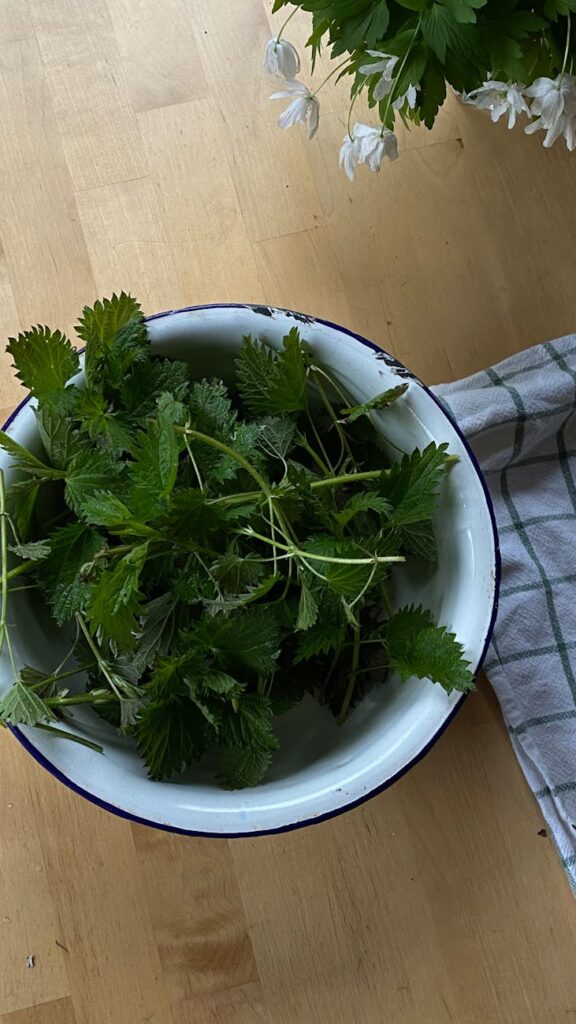
How to Store Nettles
Introduction
Nettles, often perceived as mere weeds, are a remarkable ingredient with a rich history and diverse applications. Known for their distinctive sting, they are packed with nutrients and have been used in culinary, medicinal, and textile contexts for centuries. Understanding how to properly store nettles ensures that their potent flavors and health benefits are preserved, allowing them to be enjoyed year-round. This article explores the various aspects of nettles, focusing particularly on their storage and shelf life.
What Is Uses?
In the culinary world, “uses” refers to the various applications and methods by which an ingredient can be employed. Nettles can be used in a variety of ways, including soups, teas, pestos, and more. Their unique flavor profile, reminiscent of spinach but earthier, allows them to complement a wide range of dishes. However, proper storage techniques are crucial to maintain their freshness, nutritional value, and flavor.
History and Origins
Nettles have a long and storied history, stretching back to ancient times. Originating in Europe and Asia, the plant has been utilized for its fibers, medicinal properties, and culinary potential. Historical texts reveal that nettles were consumed by various cultures, often during lean seasons when other greens were scarce. The Romans used them as both food and medicine, while medieval European communities recognized them as vital for their nutritional benefits. In modern times, nettles have regained popularity, being embraced by chefs and foragers interested in sustainable, wild ingredients.
Production and Processing
Nettles can be found in the wild or cultivated in gardens. When foraging, it is essential to harvest from areas free of pesticides and pollutants. The best time to collect nettles is in the spring when the young leaves are tender. After harvesting, nettles should be rinsed to remove dirt and insects. They are often blanched to neutralize their sting, making them safe to handle and consume. This process involves quickly boiling the leaves and then plunging them into ice water, preserving their vibrant green color and nutritional content.
Commercially, nettles can be found in various forms, including fresh, dried, and frozen. The processing methods vary, impacting their flavor and texture. Fresh nettles are typically stored for short periods, while dried or frozen nettles can be kept longer and used as needed.
Quality and Grading
The quality of nettles is determined by several factors, including freshness, appearance, and preparation. High-quality nettles should have bright green leaves, indicating freshness and vitality. Wilted or yellowing leaves suggest age and diminished flavor. For dried nettles, look for a consistent color and texture, free from mold or signs of spoilage. When purchasing nettles, especially from farmers’ markets or specialty stores, inquire about their harvesting and processing methods to ensure optimal quality.
Buying Considerations
When looking to purchase nettles, consider the following:
1. Freshness: Opt for fresh nettles when in season. They should feel vibrant and firm, without wilting or browning.
2. Source: Consider the source of your nettles, whether foraged or cultivated. Organic options are preferable to avoid chemical residues.
3. Form: Decide between fresh, dried, or frozen nettles based on your intended use. Fresh nettles are great for immediate cooking, while dried and frozen can be stored longer.
4. Sustainability: If foraging, ensure that the area is free from pollutants and that you are practicing sustainable harvesting methods.
Uses and Applications
Nettles are incredibly versatile, finding their way into numerous culinary applications. Common uses include:
- Soups and Stews: Nettles add depth and nutrition to broths and stews.
- Teas: Dried nettles can be steeped in hot water to create a nutritious herbal tea.
- Pasta and Pesto: Incorporating nettles into pasta dough or using them as a base for pesto offers a unique flavor twist.
- Frittatas and Omelets: Nettles can be sautéed and added to egg dishes for an earthy touch.
- Smoothies: Young nettle leaves can be blended into smoothies for an added health boost.
The proper storage of nettles is essential to maximizing their potential in these applications.
Storage and Shelf Life
Fresh Nettles
Fresh nettles are best used immediately but can be stored in the refrigerator for a short duration. To store fresh nettles:
1. Wrap: Place the nettles in a damp paper towel and then put them in a perforated plastic bag. This helps to maintain moisture while allowing for air circulation.
2. Refrigerate: Store them in the crisper drawer of your refrigerator. Fresh nettles can last for about 3 to 5 days if stored properly.
Dried Nettles
Dried nettles have a significantly longer shelf life and can be stored for up to a year or more when kept in optimal conditions. To store dried nettles:
1. Container: Use an airtight container to prevent moisture from entering. Glass jars are excellent options.
2. Cool, Dark Place: Store the container in a cool, dark place, away from heat and light, which can degrade the quality over time.
Frozen Nettles
Freezing is an excellent method for preserving nettles without losing their nutritional value. To freeze nettles:
1. Blanch: As mentioned earlier, blanch the nettles in boiling water for 1-2 minutes, then plunge them into ice water.
2. Dry and Pack: Drain and pat dry the leaves. Pack them into freezer-safe bags or containers, removing as much air as possible.
3. Label: Label the bags with the date of freezing. Frozen nettles can last for up to