
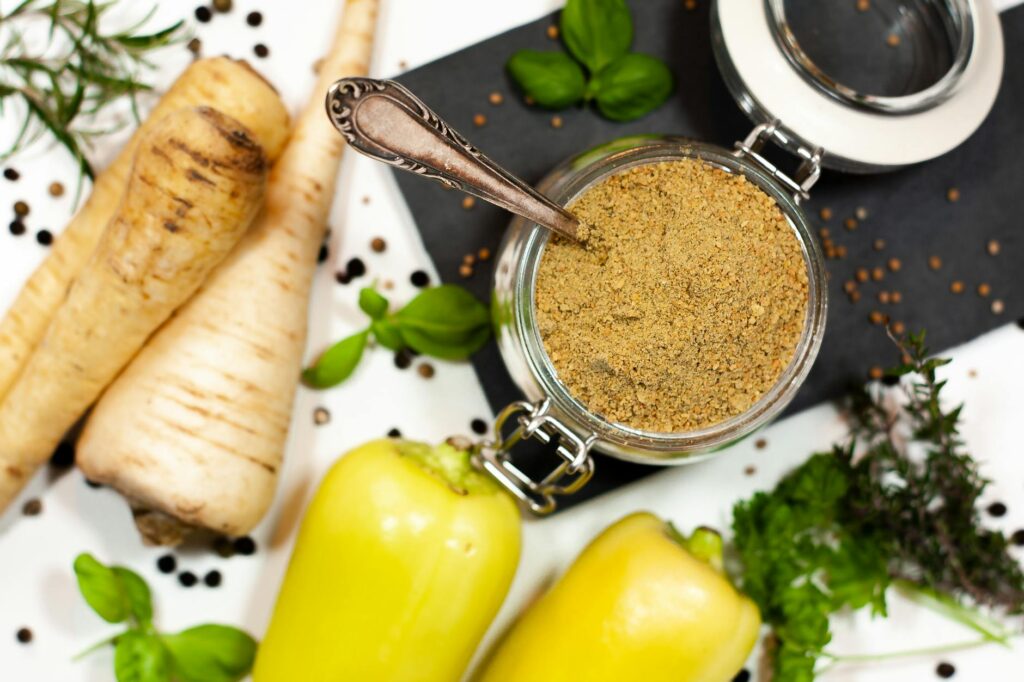
How to Store Parsnip
Introduction
Parsnips, a root vegetable akin to carrots, have been a staple in various cuisines for centuries. Known for their sweet, nutty flavor, parsnips can be used in a myriad of dishes ranging from soups to purees. Understanding how to store parsnips effectively is essential for maximizing their shelf life and preserving their flavor and nutritional value.
What Is Parsnip?
Parsnip (Pastinaca sativa) is a biennial plant that belongs to the Apiaceae family, which also includes carrots, celery, and parsley. The edible taproot is the primary focus of culinary use, and its distinct creamy-white color and tapered shape make it easily recognizable. Parsnips are often harvested after the first frost, which enhances their sweetness by converting starches into sugars.
History and Origins
Parsnips have a rich history that dates back to ancient times. They were cultivated by the Romans and were a common food source in Europe before the introduction of the potato. Native to Europe and Asia, parsnips were initially valued not only for their culinary uses but also for their medicinal properties. Over the centuries, they have transitioned from a dietary staple to a more niche ingredient, often associated with rustic, hearty dishes.
Production and Processing
Parsnips are typically sown in the spring and harvested in the fall or winter. They thrive in well-drained soil and require a cool climate to develop their characteristic sweetness. Once harvested, parsnips undergo minimal processing, primarily involving washing and packaging. They can be found fresh in grocery stores or farmers’ markets, and they are also available frozen or canned in some regions.
Quality and Grading
When assessing the quality of parsnips, several factors come into play. Fresh parsnips should be firm, smooth, and free from blemishes. The color should be a creamy white, indicating ripeness. Larger parsnips may contain a woody core, which can affect texture and taste. Grading often depends on size, shape, and absence of defects, with the highest quality typically being medium-sized, uniformly shaped roots.
Buying Considerations
When purchasing parsnips, consider sourcing them from local farmers’ markets or organic growers for the freshest options. Look for parsnips that are firm to the touch and have a smooth, unblemished surface. Avoid those that appear shriveled or have soft spots, as these may indicate age or spoilage. Seasonal availability often plays a role in quality, with the best time to buy being from late fall through early spring.
Uses and Applications
Parsnips can be used in a variety of culinary applications. Their sweet, earthy flavor makes them an excellent addition to soups, stews, and casseroles. They can also be roasted, mashed, or pureed as a side dish. Beyond their savory applications, parsnips can be used in desserts, such as cakes or muffins, where their natural sweetness shines through.
In addition to their culinary uses, parsnips are also valued for their nutritional benefits. They are a good source of vitamins C, K, and several B vitamins, as well as dietary fiber and minerals like potassium.
Storage and Shelf Life
Optimal Storage Conditions
To ensure that parsnips maintain their flavor and texture, proper storage is crucial. The ideal environment for storing parsnips is cool and humid. They should be kept in a refrigerator, preferably in the vegetable crisper drawer, where the temperature is consistently low and humidity is higher.
Short-Term Storage
If you plan to use parsnips within a week, storing them in a perforated plastic bag in the refrigerator will suffice. This allows for some air circulation while retaining moisture, thus preventing them from drying out.
Long-Term Storage
For longer storage, parsnips can be frozen. Before freezing, it’s advisable to wash them thoroughly, peel if desired, and cut them into uniform pieces. Blanching them in boiling water for a few minutes before placing them in ice water will help preserve their color and texture. Afterward, drain and pack them in airtight freezer bags, removing as much air as possible. Frozen parsnips can last up to a year while retaining their quality.
Signs of Spoilage
Regularly check stored parsnips for signs of spoilage. If they become soft, shriveled, or develop dark spots, it may be time to discard them. While minor blemishes can sometimes be cut away, extensive spoilage indicates that the parsnip is no longer suitable for consumption.
Common Misconceptions
One common misconception about parsnips is that they are only a winter vegetable. While they are traditionally harvested in colder months, they can be stored for several months, allowing for year-round availability. Additionally, there’s a belief that parsnips are only suitable for savory dishes; however, their natural sweetness can complement a variety of desserts, making them versatile in the kitchen.
Frequently Asked Questions
1. Can I store parsnips with other vegetables?
It’s best to store parsnips separately from other vegetables, especially ethylene-producing ones like apples or bananas, as ethylene can lead to premature spoilage.
2. Do I need to peel parsnips before storing?
No, there is no need to peel parsnips before storing. In fact, keeping the skin on can help protect the flesh from drying out. Peel them just before use.
3. How long do parsnips last in the refrigerator?
Fresh parsnips can last up to two weeks in the refrigerator if stored properly in a perforated bag.
4. Is it safe to eat parsnips that have sprouted?
While sprouted parsnips are safe to eat, the flavor and texture may be compromised. It’s best to trim away the sprouted parts and